DbcultAccessing Vault...
3.8/10
Senior Film Conservator
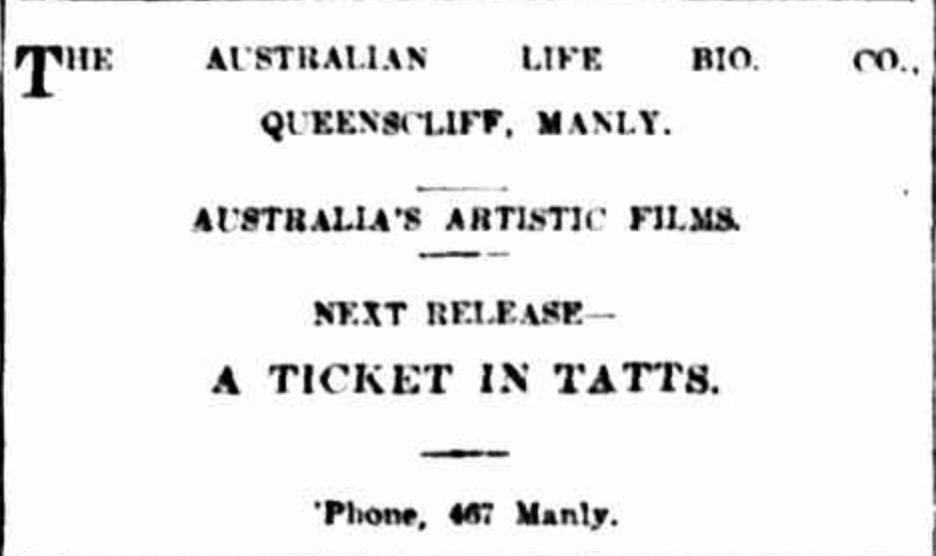
A definitive 3.8/10 rating for a film that redefined the boundaries of cult cinema. A Ticket in Tatts remains a cornerstone of transgressive art.
A sliver of coloured paper smaller than a postage stamp becomes the eye of a class-hurricane in this brisk one-reeler from 1911, exposing how quickly civility collapses when easy money glints on the horizon.
There is a giddy, almost drunken momentum to A Ticket in Tatts that feels startlingly contemporary. P.W. Marony’s script—etched with the cynicism of a man who has watched too many racetrack dreams curdle—tracks a single sweepstakes ticket as it ricochets through Melbourne’s social strata. No intertitles spell out motives; instead, faces do the talking. Godfrey Cass’s dockworker starts with the wary optimism of someone who has never caught a break, his eyes flickering whenever the camera lingers on the crumpled slip. Alf Scarlett’s spiv, all teeth and tilted bowler, treats the artefact like a conjurer’s prop, flourishing it to bilk beers from barflies. James Martin’s clerk, meanwhile, fondles the ticket as though it were holy scripture, lips moving in silent arithmetic.
What makes the yarn endure is its refusal to moralise. The film’s punchline lands not when the ticket wins, but when the winner loses—taxes, legalese, and a small army of sudden ‘cousins’ devour the windfall faster than a Melbourne squall.
Visually, the picture is a time-capsule fever dream. The camera hugs street level, weaving between hansom cabs and tramlines, capturing the electric buzz of pre-war Collins Street. Cinematographer A.J. Patrick favours wide apertures that turn gas lamps into butterscotch halos, while backgrounds dissolve into soot-soft impressionism. The effect is Dickens by way of nickelodeon: grimy yet shimmering.
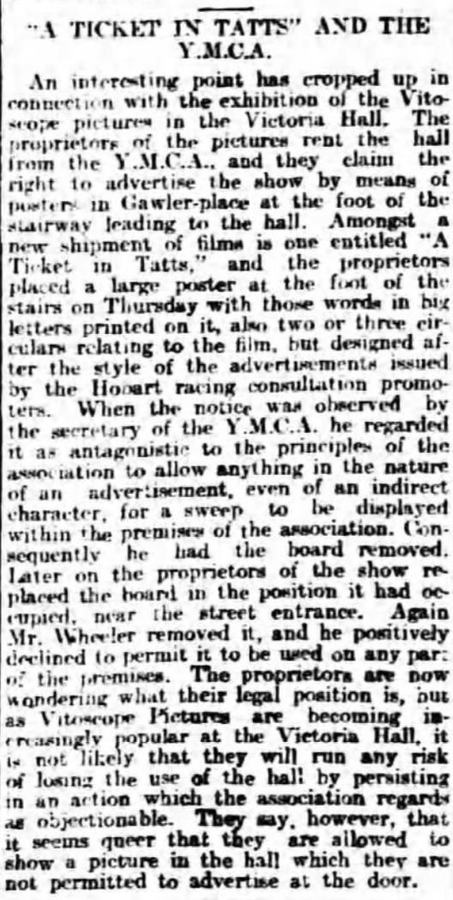
Cass’s physical vocabulary belongs to the pantomime tradition—every shrug ripples down to his shoelaces—yet his micro-expressions hint at Stanislavski’s emerging interiority. Watch the moment he realises the ticket has slipped from his pocket: the shoulders keep laughing while the eyes fracture, a split-second dissonance that prefigures the broken smiles of Buster Keaton.
Scarlett, by contrast, is pure motion, a whirl of elbows and dentalwork. Where Cass anchors the film in empathy, Scarlett supplies centrifugal menace, forever tempting the lens to chase him. Their push-and-pull embodies the tension between pathos and slapstick that silent comedy would spend the next decade perfecting.
Beneath the betting-ticket MacGuffin lies a scalding critique of Australian egalitarian mythology. The sweepstakes promises a classless utopia—anyone with sixpence can enter—yet the fallout reinstates hierarchies with brutal efficiency. Solicitors, landlords, and dressmakers queue to siphon the spoils; the worker who dug the trench remains in his hole. Marony’s irony feels almost modern, echoing today’s lottery billboards that dazzle the poor while funding suburban infrastructure.
Women, meanwhile, circulate as both enablers and casualties. Barmaids flirt for tips, seamstresses stitch fantasies into silk, mothers hush infants with lullabies of ‘when Papa strikes gold’. None grasp the purse-strings; all pay the emotional tariff. The film passes no judgement—it simply records the ledger.
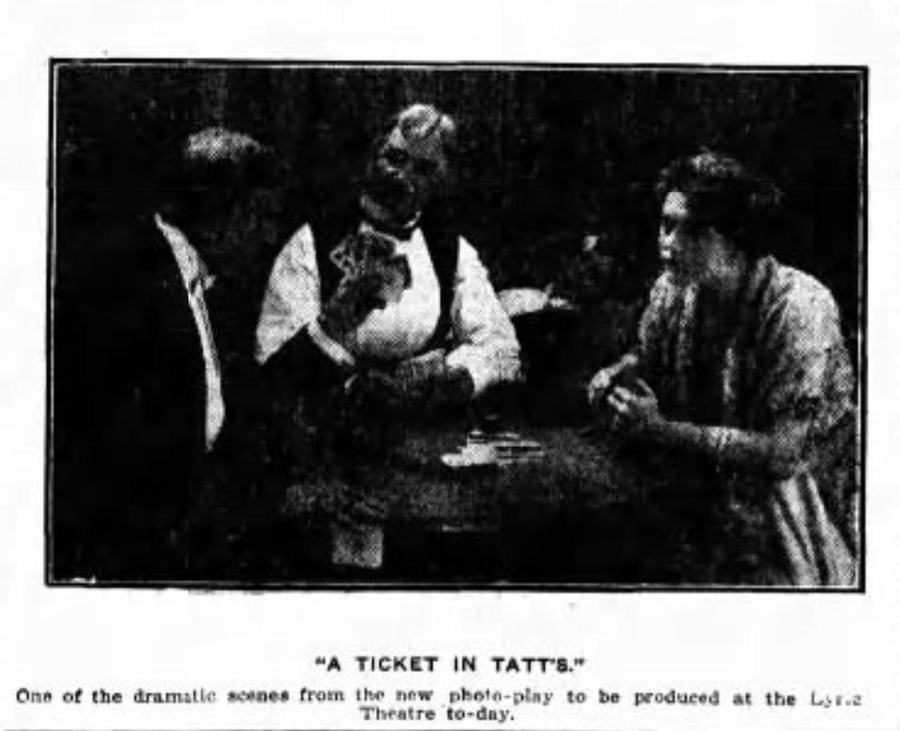
If you savour urban parables where money sprints ahead of morality, pair this with Birmingham (1911), another single-reel moral satire set amid smoky factories. For more antipodean swagger, consult Robbery Under Arms’s bushranging cynicism. Fight-film aficionados who relish the pugilist’s fickle fortunes might juxtapose the ticket’s trajectory with the bruised hopes documented in The Corbett-Fitzsimmons Fight (1897) or Jeffries-Johnson World’s Championship Boxing Contest (1910).
Surviving prints reside in the National Film and Sound Archive’s climate-controlled vaults, though only a 35 mm nitrate positive was known until 2018, when a tinted 16 mm reduction surfaced in a Tasmanian parish attic. The latter revealed amber tones on horse-rack segments and cyan washes for harbour scenes, confirming early Australian exhibitors’ fondness for chromatic emotional coding. Current DCP restorations replicate these hues, opting for a variable-frame-rate projection (18–22 fps) to accommodate the original hand-cranking cadence.
Accompanying scores range from jaunty honky-tonk piano to more recent quintet arrangements weaving trumpet calls with brushed snare, evoking the ragtime pulse of Bourke Street. I recommend the Silent Spectres ensemble’s 2022 rendition—its waltz-finale slows to a funereal drag the instant the ticket’s value evaporates, sonicising the hollow thud of luck soured.
At a whisker under twelve minutes, A Ticket in Tatts compresses the entire arc of boom-and-bust capitalism into a celluloid sneeze. It is hilarious, ruthless, and—sadly—timeless. The next time you purchase a scratch-and-win while queueing for milk, remember Cass’s haunted grin: every jackpot seeds its own funeral.
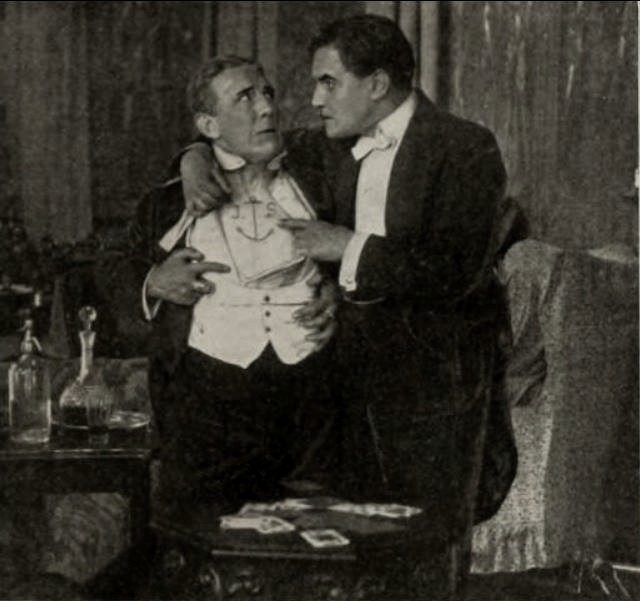
IMDb —
1915
Community
Log in to comment.