DbcultAccessing Vault...
5/10
Senior Film Conservator
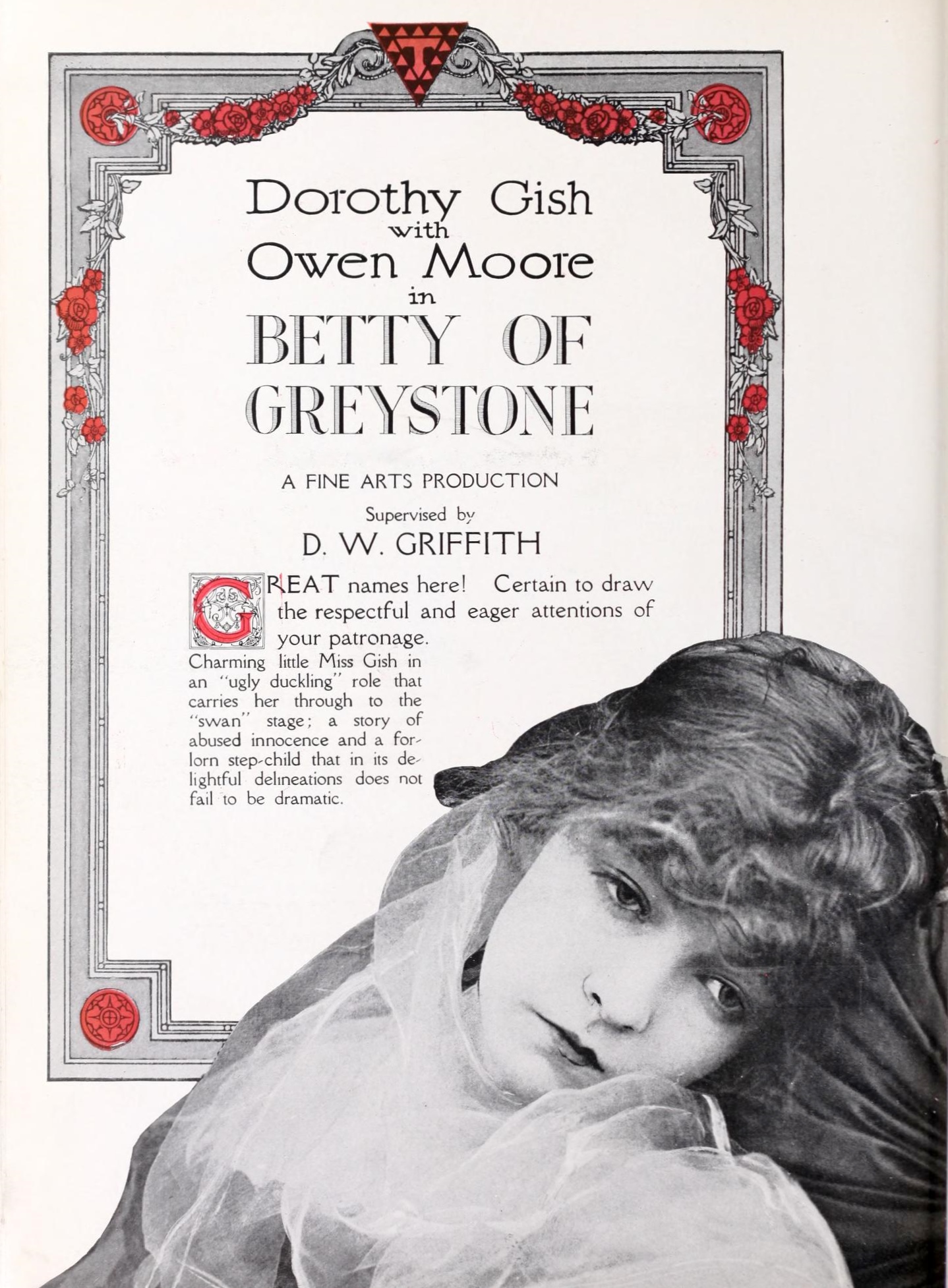
A definitive 5/10 rating for a film that redefined the boundaries of cult cinema. Betty of Greystone remains a cornerstone of transgressive art.
Stepping back into the cinematic past with Betty of Greystone is akin to unearthing a forgotten diary, its pages filled with the tender anxieties and societal pressures that defined an era. This film, a testament to silent storytelling, offers more than a mere plot; it presents a nuanced tableau of human vulnerability against the backdrop of rigid class structures and the venomous sting of rumor. It's a narrative that, despite its age, resonates with a surprising modernity, reminding us that the human heart's complexities and the destructive power of gossip are timeless adversaries.
Our protagonist, Betty Lockwood, portrayed with a delicate yet palpable strength by Leonore Harris, finds herself adrift following the profound loss of her father. In her grief, she seeks solace in the familiar, the grand, melancholic expanse of Graystone Gables – an estate where her father had served as caretaker. It’s a place imbued with memories, a silent monument to a life once lived, and for Betty, a temporary refuge from the harsh realities of her altered world. Her initial visits are born of a deeply personal need for solitude and reflection, an attempt to grasp at the remnants of her past before being forced into an uncertain future. This period of quiet contemplation, however, soon gives way to an unexpected encounter that alters her trajectory irrevocably.
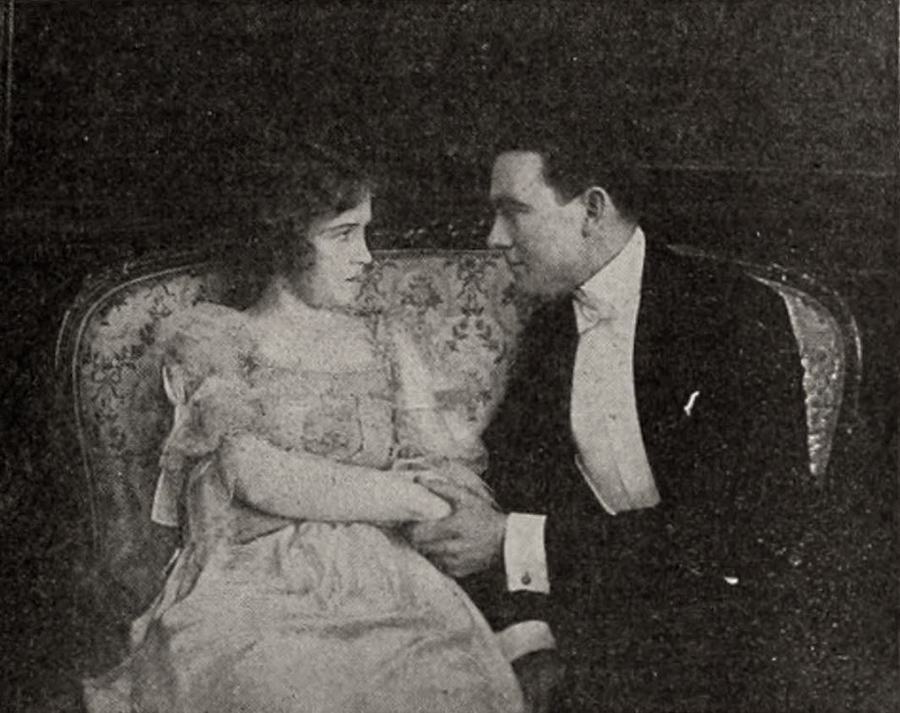
It is within these hallowed halls that she crosses paths with David Chandler, the estate's owner, brought to life by the compelling performance of Owen Moore. Chandler, a figure of inherent charm and social standing, is immediately drawn to Betty. Their connection is not one of overt passion or dramatic declarations, but rather a subtle magnetism, an unspoken understanding that transcends their disparate social positions. He extends an open invitation, a gesture of kindness and nascent affection, encouraging her to return to Graystone whenever she desires. This invitation, seemingly innocuous, becomes the very spark that ignites a conflagration of societal judgment and personal turmoil. The quiet intimacy they share, devoid of malice or impropriety, is tragically misconstrued, setting the stage for the film's central conflict.
The narrative takes a darker turn with Betty's mother's remarriage. The new stepfather, a character devoid of the integrity and warmth that defined Betty's late father, embodies a particularly insidious strain of societal malice. Norman Selby, in a role that perfectly captures the opportunistic villain, crafts a character whose superficial charm masks a deeply manipulative and judgmental nature. It is this man who, upon witnessing Betty's innocent visits to Graystone Gables and her burgeoning friendship with David Chandler, seizes the opportunity to sow seeds of discord. His motives are complex, perhaps rooted in a petty jealousy, a desire for control, or simply a malicious delight in tearing down those he perceives as vulnerable. Regardless of the underlying pathology, his actions are devastating.
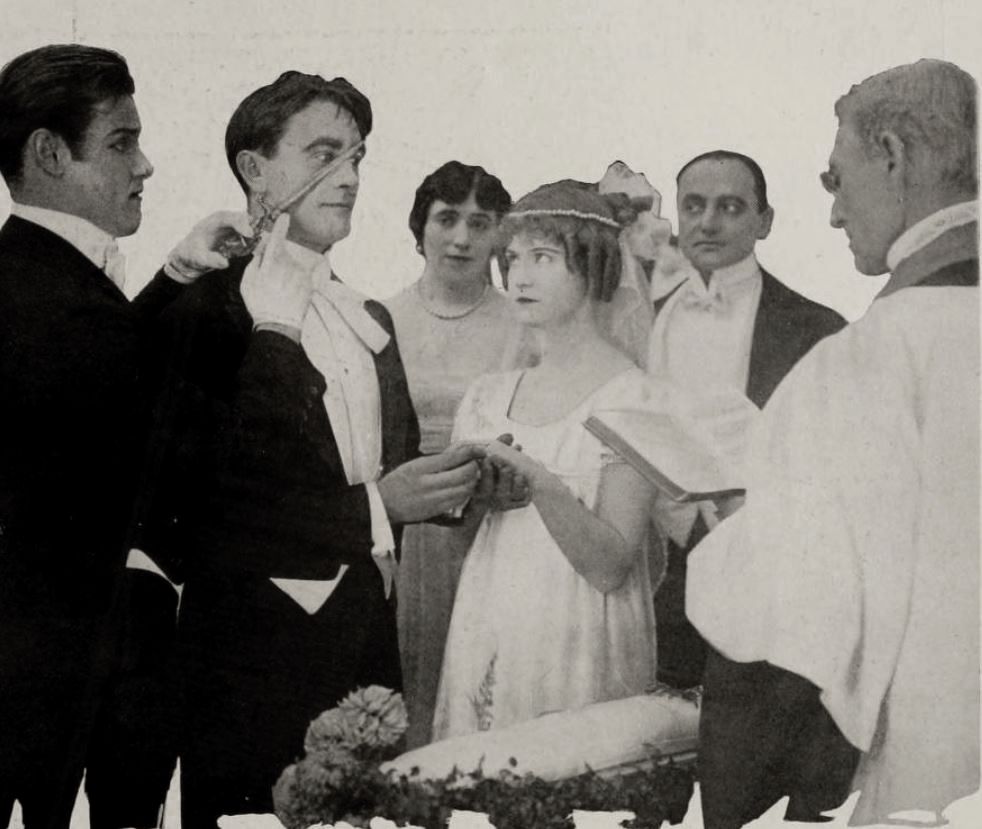
He initiates a vicious campaign of gossip, twisting an innocent connection into a scandalous affair, tarnishing Betty's reputation with calculated cruelty. This act of familial betrayal is particularly wrenching, as it comes from a figure who should, by rights, offer protection and support. Instead, he becomes the primary architect of her social downfall, demonstrating how quickly trust can be shattered and how easily a reputation can be sullied by malevolent whispers. The film masterfully illustrates the destructive power of unsubstantiated rumors, a theme that echoes through cinematic history, from the moral quandaries of A Woman's Honor to the complex social dynamics of Far from the Madding Crowd, where character is constantly tested by public perception and private desires.
One of the most compelling aspects of Betty of Greystone lies in its ability to convey profound emotion and intricate plot details without the aid of spoken dialogue. F.M. Pierson's writing, translated through the visual medium, relies heavily on the nuanced performances of its cast and the evocative power of cinematic composition. Leonore Harris, as Betty, employs a masterful range of facial expressions and body language to communicate her character's grief, hope, burgeoning affection, and eventual despair. Her eyes, in particular, become windows to her soul, reflecting the turmoil within. Owen Moore’s Chandler, similarly, projects an innate decency and growing concern through subtle gestures, allowing the audience to believe in his genuine affection for Betty despite the social chasm between them.
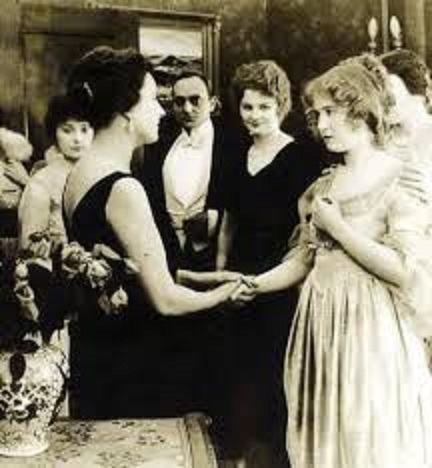
The supporting cast also contributes significantly to the film's emotional tapestry. Kate Bruce, portraying Betty's mother, navigates the complexities of a woman torn between her daughter and her new husband, her silent struggles adding another layer of pathos. Warner Richmond and Macey Harlam, among others, fill out the world of Greystone with credible performances, each face telling a story, each reaction contributing to the atmosphere of a society grappling with its own moral codes. The film’s direction, though not overtly flashy, is effective in framing the emotional beats, using close-ups to emphasize key reactions and wider shots to establish the grandeur and isolation of Graystone Gables. The interplay of light and shadow, characteristic of the era, further enhances the mood, casting literal and metaphorical shadows over Betty's predicament.
The central theme woven throughout Betty of Greystone is the devastating impact of a tarnished reputation, particularly for a young woman in a society where honor and perceived virtue were paramount. Betty's struggle is not merely against a malicious stepfather, but against the collective judgment of a community swayed by rumor. Her journey becomes a testament to resilience, a quiet battle to reclaim her integrity in the face of overwhelming odds. This resonates deeply with narratives like The Perfect Thirty-Six, which often explored the societal pressures on women to conform to certain ideals, or The Beckoning Trail, where characters must often prove their worth against skepticism and accusation. The film deftly illustrates how easily perception can become reality, and how challenging it is to dismantle a lie once it has taken root in the public consciousness.
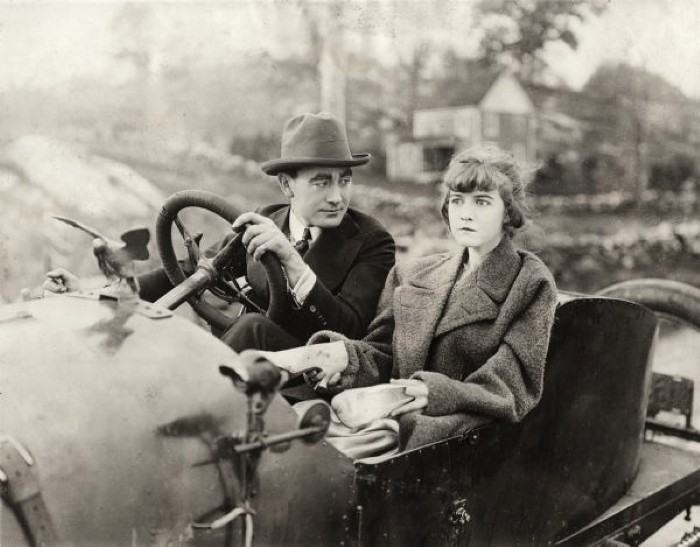
The complications that ensue from the stepfather's gossip force Betty into a series of difficult choices, each one testing her resolve and her belief in herself. It’s a classic narrative arc, but executed here with a sincerity that prevents it from feeling trite. We witness her isolation, her quiet suffering, and her eventual determination to fight for what is right. The film doesn't shy away from depicting the pain inflicted by social ostracization, but it also champions the unwavering spirit of those who refuse to be defined by others' slanders. The resolution, while offering a measure of justice, underscores the lasting scars that such experiences can leave. It’s a powerful reminder that while truth may eventually prevail, the journey to its revelation can be arduous and fraught with heartbreak.
Beyond the personal drama, Betty of Greystone subtly explores the rigid class distinctions of its era. Betty, though of good character, is positioned as a caretaker's daughter, a social rung below David Chandler, the estate owner. Their attraction, while genuine, is complicated by these unspoken rules of engagement. The stepfather's gossip weaponizes these class differences, implying impropriety where none exists, exploiting the prevailing prejudices that might automatically assume the worst of a young woman from a lower social standing interacting with a wealthy gentleman. This societal lens, ever-present, adds another layer of oppression to Betty's ordeal.
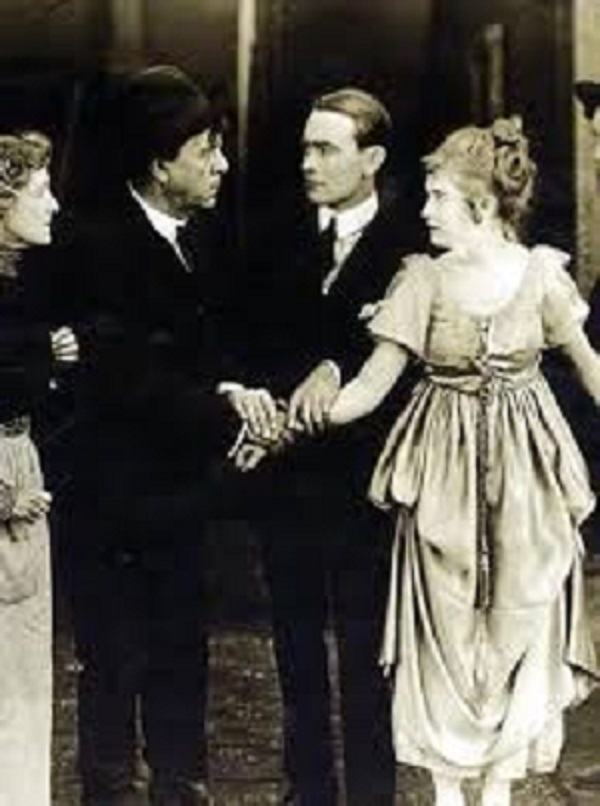
The film, in its quiet way, critiques this societal rigidity, suggesting that true character often transcends superficial social stratification. Chandler's willingness to see Betty for who she is, rather than merely her social position, is a refreshing counterpoint to the prevailing attitudes. This theme of class conflict and the challenges it poses to genuine connection is a recurring motif in cinema, from the intricate dance of social expectations in Balletdanserinden to the stark realities faced by characters in The Girl from Abroad; or, The Great Underworld. Betty of Greystone doesn't preach, but rather presents the consequences of such divisions with a poignant clarity, allowing the audience to reflect on the arbitrary nature of status and the enduring value of human connection.
While not as widely known as some of its contemporaries, Betty of Greystone stands as a charming example of early cinema's capacity for emotional depth and dramatic tension. It's a film that, through its unhurried pace and reliance on visual storytelling, invites the viewer to truly engage with its characters' inner lives. The performances, particularly from Leonore Harris and Owen Moore, demonstrate the power of silent acting to convey complex human emotions without a single spoken word. The film's ability to tackle themes of grief, love, betrayal, and social injustice with such clarity and sensitivity speaks to the enduring artistry of the silent era.
For those interested in the evolution of narrative film, Betty of Greystone offers valuable insights into the storytelling techniques that laid the groundwork for future cinematic achievements. It reminds us that compelling drama isn't solely dependent on technological advancements, but on the universal truths of the human experience. The film’s exploration of how easily a life can be upended by malicious intent, and the arduous path to vindication, remains a potent and relevant message. It’s a quiet gem that deserves rediscovery, a testament to the fact that even in silence, stories can speak volumes and touch the deepest parts of our shared humanity. Its narrative threads, woven with care and keen observation, make it a worthy addition to the annals of early cinematic drama, providing a window into the moral landscape of a bygone era that still holds echoes in our own complex world.
The film doesn't offer easy answers, nor does it present a world devoid of hardship. Instead, it mirrors the messy realities of life, where good intentions can be twisted, and where the fight for one's truth can be a lonely and arduous journey. Yet, through Betty's unwavering spirit and David's steadfast belief in her, it ultimately champions the enduring power of integrity and genuine affection over the corrosive forces of malice and rumor. This makes Betty of Greystone not just a historical artifact, but a resonant piece of storytelling that continues to provoke thought and stir emotion, long after its initial release. It is a subtle masterpiece of its time, demonstrating that a compelling story, told with sincerity and skill, needs no grand pronouncements to leave an indelible mark on the viewer.
IMDb 6.9
1936
Community
Log in to comment.