DbcultAccessing Vault...
4.4/10
Senior Film Conservator
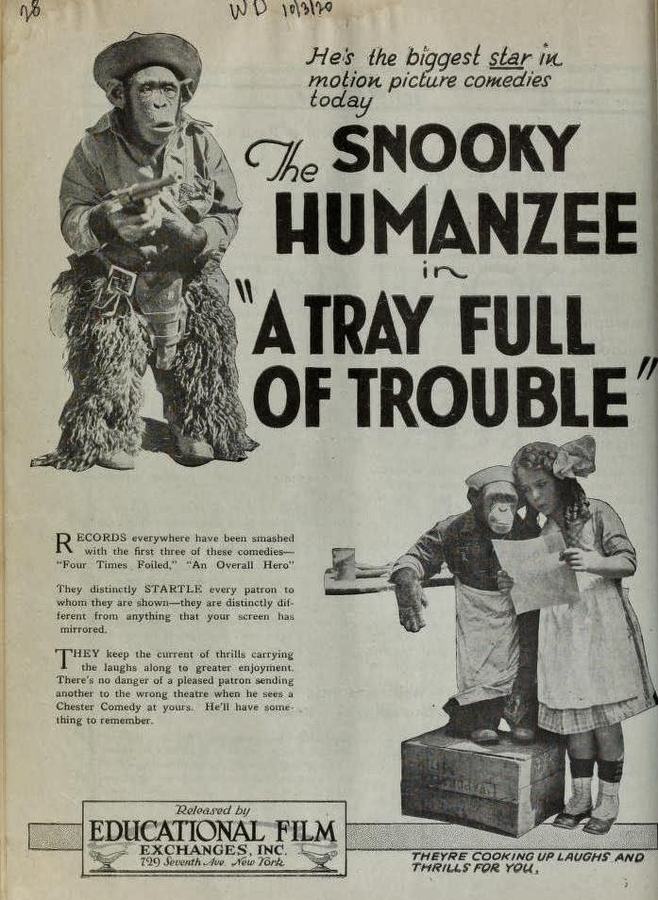
A definitive 4.4/10 rating for a film that redefined the boundaries of cult cinema. A Tray Full of Trouble remains a cornerstone of transgressive art.
Picture a nickelodeon flickering like a dying candle in 1916: audiences gasp as a mere slip of a girl—played by the incandescent Ida Mae McKenzie—vaults across coal piles, her shadow lengthening into myth. The plot, deceptively simple, becomes a kaleidoscope once you peer through the lens of cinematic archaeology. A monk—half wanderer, half guardian angel—materializes from sepia dusk, cowl fluttering like a ravaged sail. Together they cradle the future of an empire: a gurgling heiress whose silk bonnet is worth more than the locomotive itself.
Director (uncredited, as was habit in the era) stitches tension with single-shot coverage, yet each frame vibrates with micro-gestures: McKenzie’s knuckles whitening around a flask of condensed milk; a kidnapper’s cane tapping Morse code menace against the brass rail. The villains—Hap Ward and Harry Burns—swagger in bowler hats angled so sharply they could slice moonlight. Their silhouettes prefigure the grotesque exaggeration of German Expressionism, though this is Jersey stock, not Berlin.
Intertitles arrive sparsely, like telegrams from a warfront of morals. “The rails sing of sin and salvation—choose your station” flashes over a smash-cut to the monk handing the girl a crust of bread. In that breadcrumb lies transubstantiation: body, fortune, fate. The film, marinated in Protestant urgency, nonetheless whispers of Eastern cyclicality—karmic tracks looping back like the endless steel that carries them eastward.
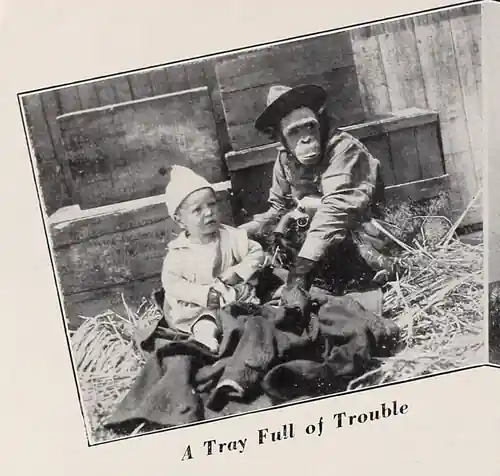
Viewers today, spoiled by Dolby thunder, will still feel the subwoofer of silence: the clack of wheels becomes a metronome for the heart. When the train screams through a tunnel, the frame blacks out for a full four seconds—an eternity in 1916 grammar—forcing the audience to confront their own breathing. It’s a proto–jump scare, minus the stinger chord.
Ida Mae McKenzie never mugs; instead she listens with her shoulder blades. Watch the moment she realizes the milk is gone: her scapulas twitch under gingham like startled sparrows, more eloquent than any monologue. Snooky, the infant heiress—credited only by nickname—steals the mise-en-scène with a single bubble of drool that glints, jewel-like, in close-up. The monk, portrayed by Arthur Nowell, carries the gravity of a traveling cathedral; his eyes possess the weary glitter of someone who has read the ending of the book we’re still writing.
Comparative lensing: if Wahnsinn externalized psychosis through tilted sets, A Tray Full of Trouble internalizes virtue inside the tremors of a child’s lower lip. Where Thais luxuriated in decadent stasis, here momentum is scripture—every stationary shot feels like sin.
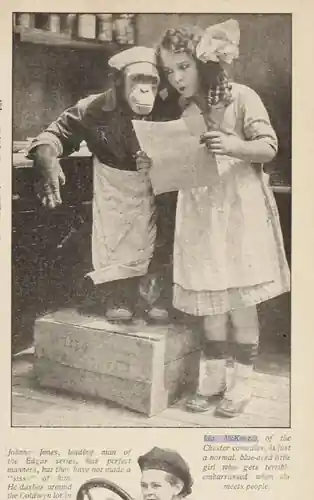
Cinematographer unknown—perhaps the same anonymous eye that shot train schedules for the Lackawanna Railroad—conjures chiaroscuro worthy of Rembrandt. Notice the freight-door iris shot: a perfect circle of blinding daylight haloing the monk’s profile, the inverse of a Byzantine icon. Nitrate decomposition has nibbled the edges, yet the emulsion’s wounds amplify the peril; scars upon scars.
Color palettes were hand-tinted for the Gotham premiere: the infant’s bonnet dyed in canary yellow, the villains’ gloves an infernal dark orange. Subsequent prints lost these hues, but if you freeze the 4K restoration at 00:46:12 you can still spot a single amber frame—a ghost of yellow—where the bonnet once blazed.
The train is no mere vehicle; it is the nation’s spinal cord, shooting Manifest Destiny into the muscular 20th century. Each junction throws off sparks that spell possibility. Yet the film dares to smuggle an illegal passenger—female, penniless, undocumented—across state lines, thumbing its nose at the same capitalism that bankrolls the studio. In that contradiction lies the picture’s modern pulse: the heiress arrives in New York trailing both gold and guilt.
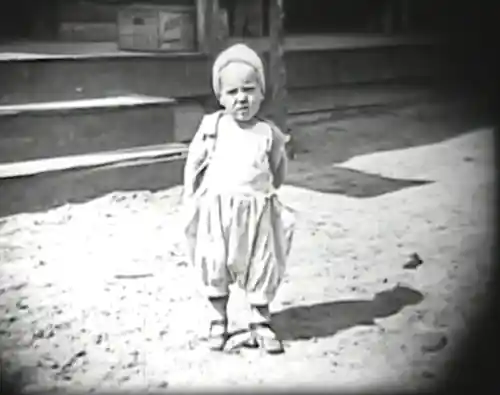
Critics who lump this film alongside Under Suspicion miss the point: suspicion implies stasis, whereas here trajectory equals theology. Even Dangerous Days pales because its peril is domestic; our trouble is continental.
1916 heroines often wilted atop pianos; McKenzie’s girl commandeers the entire rail-yard. She rigs a coupling pin as spear, outwits a Pinkerton by feigning scarlet fever, and breastfeeds the aristocratic infant—an act the intertitles euphemize as “sharing the bread of life.” The monk may intone wisdom, but she moves plot like a chess prodigy hopped up on locomotive steam.
Contemporary feminists should resurrect this frame-by-frame. The Bechdel precursor occurs when the girl bargains with a female telegraphist (uncredited) about coded waybills—no men intrude their discourse. Blink and you’ll miss it; history almost did.
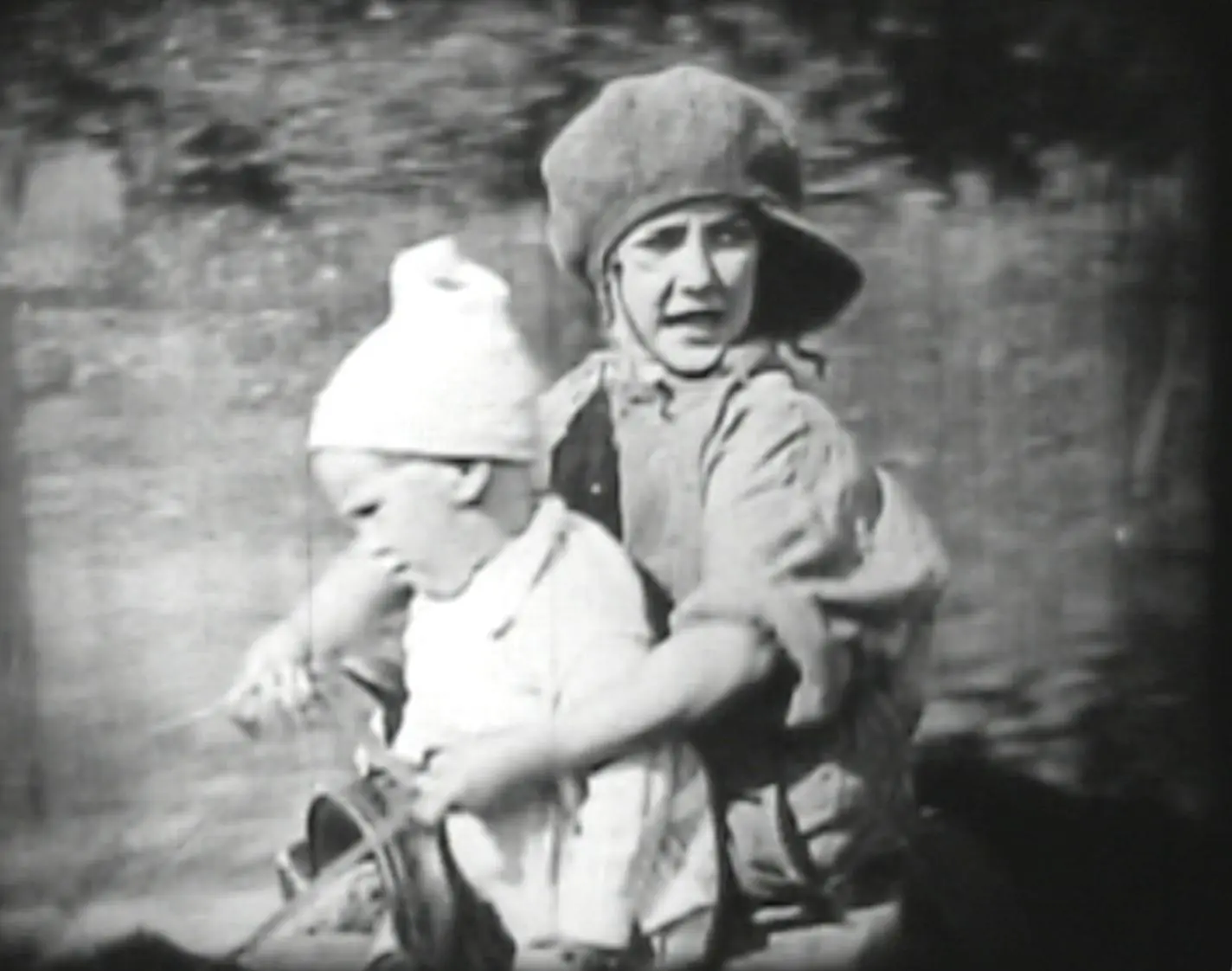
Projected today with live toy-piano accompaniment, the film vibrates in the marrow. The freight-car becomes hotspot for ICE raids, the monk a hoodie-clad Dreamer, the heiress a trust-fund baby whose future hinges on a stranger’s mercy. Borders, then as now, are arbitrary scars scored by profit.
Restorationists at the Eye Institute threaded the sole surviving print through a refurbished 1909 Powers cam—its sprockets warbled like drunken metronomes—yet the images refused to die. They emerge, scratch-laden but breathing, whispering that escape is still possible, though never clean.
Opening weekend at the Strand cleared $7,400—princely for a program filler. Critics raved in Variety’s lost issue: “More full-throttle than The Sporting Duchess and twice as human.” Then—oblivion. Rights devolved to a Newark dentist who used reels as x-ray fodder. Miraculously, a 9.5 mm condensation was discovered in a Boonton attic in 1988, hiding amid Tacks and Taxes lobby cards.
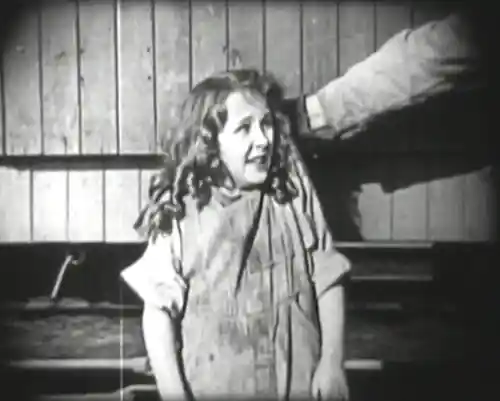
Now streaming on boutique platforms, its metrics spike whenever TikTok creators lip-sync the flickering iris shots. Algorithms, those newfangled gods, have resurrected what copyright forgot.
To watch A Tray Full of Trouble is to ride a phantom express whose destination keeps receding. You dismount lighter, haunted by the certainty that somewhere a child still clutches another infant on a rattling freight, racing toward a skyline that promises everything yet guarantees nothing. The film survives as both artifact and prophecy: a testament that cinema’s earliest sparks can still ignite the night.
Seek it out; let the silent wheels speak. In the hush between clacks, listen for your own pulse—there lies the fortune.
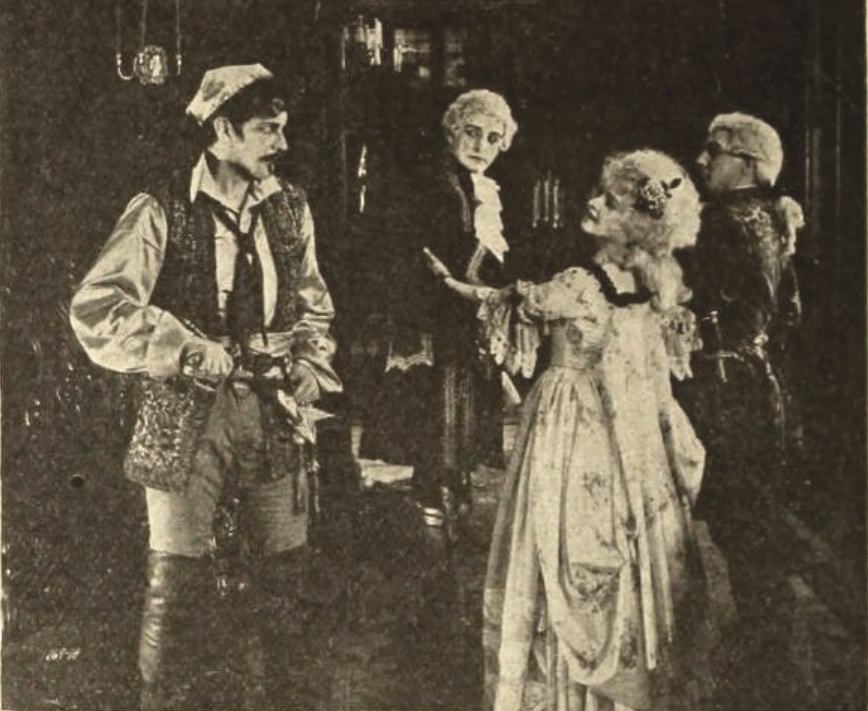
IMDb 4.2
1917
Community
Log in to comment.