DbcultAccessing Vault...
5.1/10
Senior Film Conservator
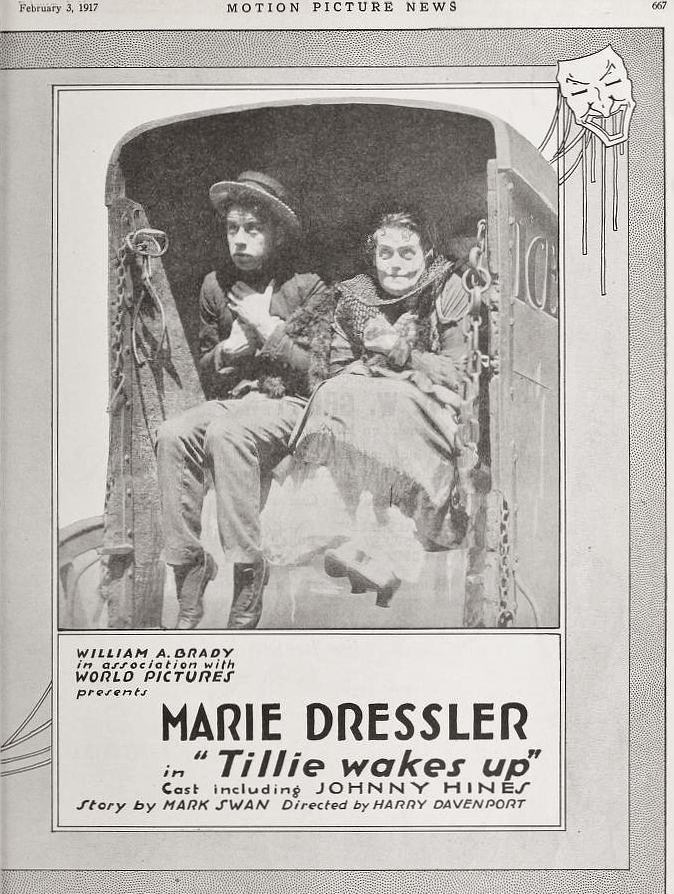
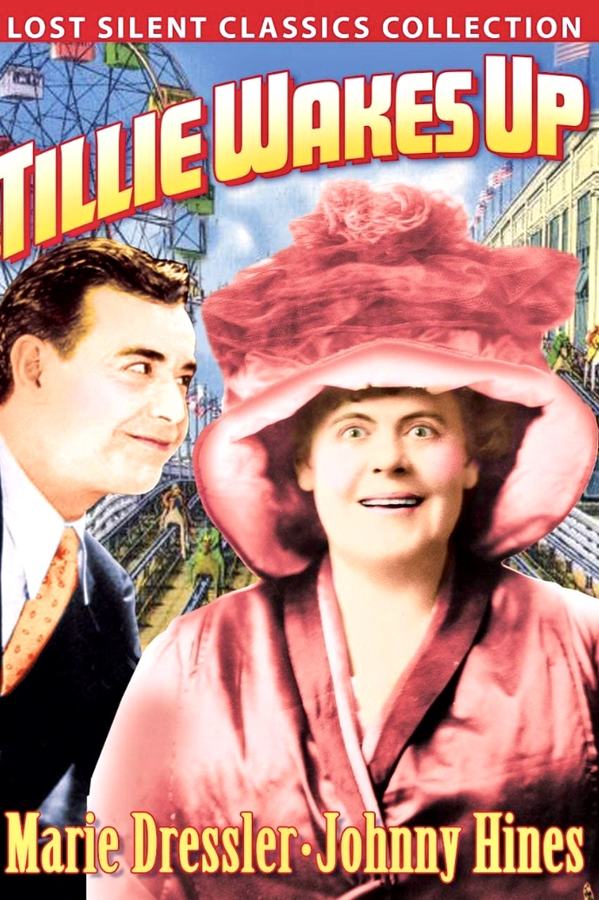
A definitive 5.1/10 rating for a film that redefined the boundaries of cult cinema. Tillie Wakes Up remains a cornerstone of transgressive art.
In the vibrant, often tumultuous landscape of early 20th-century cinema, silent comedies held a mirror to society, reflecting its foibles, anxieties, and aspirations with a unique blend of physical humor and understated social commentary. Among the myriad gems from this era, 'Tillie Wakes Up', a 1917 offering, stands out as a delightful, albeit sometimes overlooked, example of marital farce. It’s a film that, despite its age, resonates with a timeless humor, exploring themes of neglect, liberation, and the unexpected paths to reconciliation with a charmingly mischievous spirit. This isn't just a simple romp; it's a nuanced exploration of domestic discontent, presented through the exaggerated yet deeply human lens of silent-era performance.
The narrative unfolds within the intimate, gossipy confines of an apartment building at 003 Findlet Avenue, a microcosm of urban life where private dramas inevitably become public spectacles. We are introduced to the Tinkelpaws: Tillie, portrayed with magnificent comedic timing by the inimitable Marie Dressler, is a woman of robust physique and an even more robust heart, whose greatest joy lies in crafting 'dainty dishes' for her husband, Henry. Alas, Henry (Frank Beamish) is a man of profound ingratitude, his neglect of Tillie a constant source of neighborhood conjecture. Their domestic tableau is one of quiet, culinary-fueled suffering on Tillie's part, a poignant contrast to her husband's indifferent demeanor. This depiction of a devoted wife unappreciated by her spouse was a common trope, yet Dressler infuses Tillie with a resilient spirit that transcends mere victimhood, hinting at the awakening promised by the title. It’s a performance that, even in silence, speaks volumes about the emotional landscape of a woman yearning for recognition.
Directly above them reside the Pipkins, a couple whose marital woes are a mirror image, yet distinctly different. Here, it is the wife, Luella (Rubye De Remer), whose social calendar dictates her existence, pulling her away from her 'fireside' and leaving her meek husband, Mr. Pipkin (Johnny Hines), to contend with her incessant fault-finding. Luella is the quintessential socialite, a whirlwind of club meetings and societal obligations, her presence a stark contrast to Tillie's homebound devotion. De Remer captures this effervescent, somewhat oblivious character with a vibrant energy that perfectly complements Dressler's more grounded, albeit equally expressive, Tillie. The stage is thus set for a classic comedic entanglement: two disparate couples, bound by proximity and the universal thread of marital dissatisfaction, unknowingly hurtling towards a collision course that promises both chaos and catharsis.
The initial sparks of infidelity are struck through a series of 'accidental' encounters. Henry Tinkelpaw, seeking solace from his domestic ennui, and Luella Pipkin, perhaps simply passing time between social engagements, find themselves repeatedly meeting at the apartment door. These innocuous encounters quickly evolve into shared strolls down the street, an escalating intimacy that, while seemingly innocent, lays the groundwork for the impending marital upheaval. The film masterfully uses these silent interactions to build tension, allowing the audience to infer the growing connection between the two neglectful spouses, even as their respective partners remain oblivious.
The dramatic turning point arrives with a dual moment of revelation. One evening, after Henry's particularly pronounced display of ingratitude leaves Tillie in tears, she seeks solace at the window, hoping for a repentant glance, a tossed kiss. Simultaneously, upstairs, a distraught Mr. Pipkin, smarting from a recent bridge game loss and Luella's subsequent departure, also peers from his window, hoping to catch a glimpse of his retreating wife. What both Tillie and Pipkin witness from their respective vantage points sends a shockwave through their unsuspecting lives: Henry and Luella, together, in a tableau of undeniable closeness. This moment, described as affecting them 'like a cold plunge,' is the catalyst for their respective awakenings, transforming passive suffering into active rebellion. It’s a brilliantly executed scene, relying on parallel action and the unspoken language of silent film to convey profound emotional impact.
The immediate aftermath is a flurry of indignant letter-writing. Both Tillie and Pipkin, simultaneously, pen notes to their 'faithless mates,' declaring their marriages over. This synchronized act of defiance is a testament to the film's clever plotting, highlighting the shared sense of betrayal that binds these two disparate individuals. As fate would have it, their paths converge once more, this time in the hallway, where a mutual recognition of shared plight sparks an immediate, profound connection. They see in each other not just fellow victims, but 'kindred souls,' a poignant and comedic realization that underscores the film's exploration of human connection. Linking arms, they embark on an impromptu escapade, leaving behind the wreckage of their old lives and the bewildered spouses who soon discover their respective communications.
The subsequent search for the truants forms the heart of the comedic chase sequence. Henry and Luella, now united in their frantic pursuit, follow a 'devious trail' that leads them through a series of increasingly absurd scenarios. The climax of this pursuit is a wonderfully whimsical moment: Tillie and Pipkin, in a moment of pure, unadulterated fantasy, attempt to transform a photographer's automobile into an 'ocean liner.' This scene perfectly encapsulates the spirit of silent comedy – a blend of slapstick, visual gags, and a deep understanding of human longing for escape and adventure. It’s a moment of delightful absurdity that transcends the mundane realities of their previous lives, even if only for a fleeting instant.
Marie Dressler, a titan of early cinema, truly shines as Tillie. Her physical comedy, often broad and exaggerated, is always underpinned by a palpable emotional truth. Dressler had a unique ability to convey a wide range of emotions without uttering a single word, relying on facial expressions, posture, and gesture. Her Tillie is not merely a caricature; she is a woman of depth, whose journey from neglected wife to rebellious adventurer is both hilarious and surprisingly empowering. This film, coming after her iconic role in Tillie's Punctured Romance (though not listed as a comparison, it's a key Dressler work), solidifies her status as a comedic force, capable of carrying a narrative with sheer charisma and masterful performance. Her 'avoirdupois,' far from being a limitation, becomes an integral part of her comedic persona, allowing for a delightful physical expressiveness that few could match.
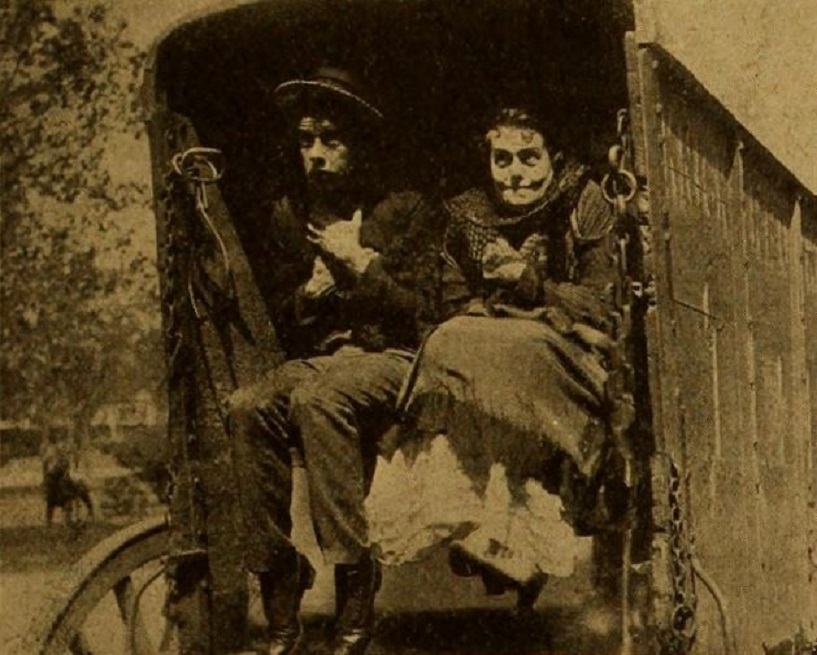
Rubye De Remer as Luella provides an excellent foil, her vivacious, almost flighty energy contrasting beautifully with Dressler's more grounded presence. Frank Beamish as Henry and Johnny Hines as Mr. Pipkin complete the quartet, each delivering performances that, while perhaps less overtly dramatic, are essential to the comedic machinery of the plot. Hines, in particular, portrays the meek Mr. Pipkin with a quiet charm that makes his eventual rebellion all the more satisfying. The entire ensemble, under the guidance of writers Mark Swan and Frances Marion, crafts a meticulously choreographed dance of miscommunication and misunderstanding, leading to a satisfyingly chaotic resolution.
'Tillie Wakes Up' is more than just a series of gags; it offers a subtle, yet incisive, commentary on marital expectations and gender roles in the early 20th century. The film critiques the societal norms that often left women like Tillie trapped in unfulfilling domestic roles, their emotional needs overlooked. Tillie’s 'awakening' is not just about finding a new partner, but about asserting her own agency and refusing to accept a life of quiet desperation. Similarly, Mr. Pipkin's rebellion, though spurred by infidelity, is a cry against a wife who values social engagements over domestic harmony. This narrative, while wrapped in humor, touches upon universal themes of self-worth, the search for connection, and the courage to break free from restrictive circumstances.
The film’s resolution, where Tillie is 'enfolded in her repentant husband's arms' but 'winks slyly at Pipkin,' is particularly telling. It's not a simple return to the status quo. Tillie's wink suggests a newfound understanding, a quiet rebellion that has fundamentally altered her perspective and perhaps even the power dynamics within her marriage. It implies that while the outward structure of her life may be restored, her inner world has irrevocably shifted. This subtle subversion of the traditional 'happy ending' adds a layer of sophistication to the comedy, suggesting that true change often happens within, even if external circumstances appear to revert. This complexity elevates 'Tillie Wakes Up' beyond mere slapstick, positioning it as a thoughtful, if lighthearted, exploration of personal transformation.
When considering 'Tillie Wakes Up' within the broader context of silent cinema, particularly films dealing with marital discord and societal expectations, it finds intriguing parallels. D.W. Griffith's The Battle of the Sexes (1914), for instance, while perhaps more overtly dramatic in its exploration of gender conflict and marital infidelity, shares a thematic thread with 'Tillie Wakes Up' in its portrayal of couples struggling with their roles and desires. Both films, albeit with different tones, delve into the complexities of domestic life and the consequences of neglect. While Griffith’s film might lean towards melodrama, 'Tillie Wakes Up' embraces farce, proving that the same fundamental human struggles can be explored through vastly different stylistic approaches.
Another contemporary work, though less directly comparable in plot, could be A Corner in Colleens (1916). While the latter might focus more on romantic entanglements and lighthearted courtship, both films exemplify the burgeoning genre of comedic cinema that sought to entertain audiences with relatable, albeit exaggerated, human predicaments. 'Tillie Wakes Up' distinguishes itself through its focus on the 'awakening' of its central character, a concept that hints at a nascent feminism, even if presented through a comedic lens. It’s a testament to the era’s burgeoning understanding of individual psychology and the desire for personal fulfillment, beyond the strictures of traditional roles.
'Tillie Wakes Up' remains a fascinating artifact of early American cinema, a testament to the enduring power of comedic storytelling. Its blend of physical humor, social satire, and surprisingly nuanced character development ensures its place in the pantheon of silent film. The film’s ability to elicit genuine laughter while also subtly commenting on the human condition is a hallmark of truly great comedy. Marie Dressler's performance alone is worth the price of admission (or, in this digital age, the click of a button), embodying a spirit of resilience and an irrepressible zest for life that continues to charm audiences over a century later. It's a reminder that even in the absence of spoken dialogue, cinema can communicate profound truths and provide boundless entertainment. This film, with its vibrant characters and timeless themes, continues to 'wake up' audiences to the joys of a bygone era, proving that sometimes, a little marital mischief is just what the doctor ordered for a fresh perspective on life.
IMDb 5.7
1913
Community
Log in to comment.