DbcultAccessing Vault...
Cult Review
Senior Film Conservator
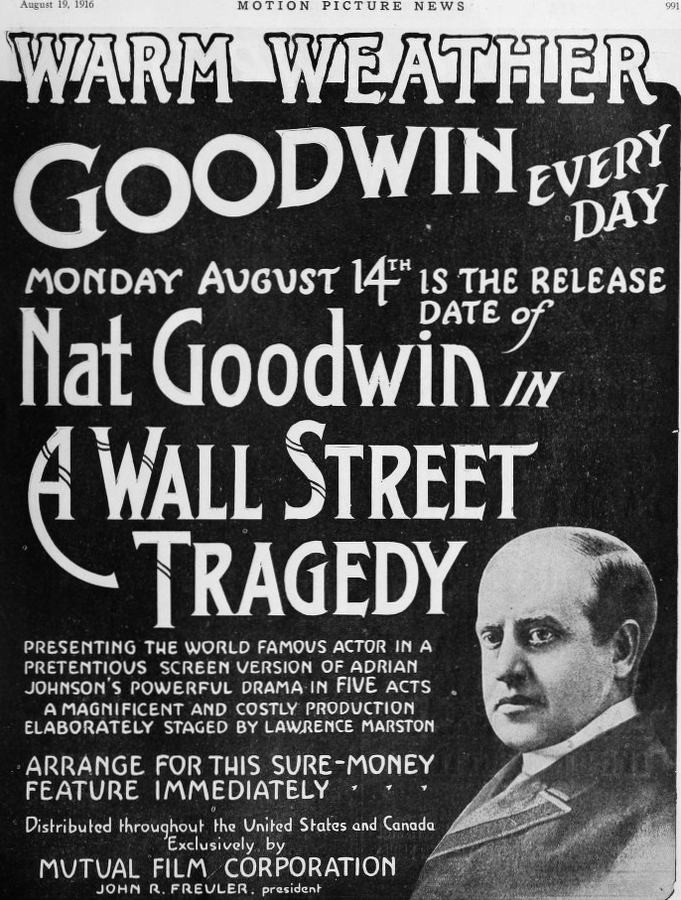
Step into the tumultuous world of early 20th-century finance, a realm where ambition knows no bounds and the pursuit of power often exacts a devastating toll. A Wall Street Tragedy, a cinematic artifact from an era defined by grand gestures and stark moralities, plunges us headfirst into this cutthroat environment, offering a gripping narrative that resonates with timeless themes of greed, revenge, and the fragility of human relationships. This isn't merely a silent film; it's a profound, albeit melodramatic, exploration of the human condition when pushed to its limits by the intoxicating allure of wealth and the corrosive poison of vengeance.
At the heart of this unfolding drama is Norton, portrayed with a compelling blend of ruthlessness and eventual vulnerability by J. Cooper Willis. Norton, a formidable mine owner, embodies the capitalist spirit of his age—unyielding, strategic, and utterly dominant. His initial triumph is breathtaking: a calculated move in the copper market that catches the brokerage firm of Reid and Richard Ranson short, effectively bringing them to their knees. This financial coup, a masterclass in market manipulation, is a moment of pure, unadulterated power. Yet, it's a victory steeped in hubris, a fatal flaw that sets into motion a chain of events far more destructive than any market crash. The film masterfully establishes this cause-and-effect relationship, demonstrating how one man's ascent can sow the seeds of another's bitter retribution.
While Reid's reaction is one of visceral, murderous rage, it is Richard Ranson (Richard Neill) who understands the true art of revenge: a slow, meticulous dismantling, rather than a swift, blunt strike. Ranson's genius lies in his ability to weaponize human weakness, specifically Norton's susceptibility to illicit charm. He enlists Yvette (Zola Telmzart), an "unscrupulous adventuress," a character type often found in the melodramas of the era, but here rendered with a particularly venomous edge. Yvette is not merely a femme fatale; she is an instrument of calculated destruction, her allure a deceptive mask for a predatory intellect. Her objective, clear and chilling, is to infiltrate Norton's life, not just his finances, but the very sanctity of his family. This intricate web of financial and personal vendetta distinguishes A Wall Street Tragedy from simpler narratives of capitalist clashes, elevating it to a more complex psychological study.
The narrative deftly shifts from the boardroom to the intimate confines of Norton's family life, where his invalid wife and innocent daughter, Lois (Mabel Wright), reside, blissfully unaware of the storm brewing. The family's retreat to the seashore, intended as a respite, becomes Yvette's hunting ground. Her orchestrated meeting with Norton is a masterclass in manipulation, a subtle yet potent seduction that preys on his vulnerabilities. This sequence highlights the stark contrast between the tranquil domesticity and the impending chaos, a common dramatic device in silent cinema, effectively used here to amplify the sense of foreboding.
Upon their return to the city, Norton's entanglement with Yvette deepens. The clandestine meetings become more frequent, his judgment clouded by infatuation. Yvette, ever the opportunist, gleans vital information about Norton's future market strategies, relaying them directly to Ranson. This betrayal is multi-layered, striking at Norton's financial empire and his personal integrity simultaneously. The climax of this illicit affair is depicted with a tragic intensity: a riotous night at Yvette's apartment, punctuated by a valet's urgent summons. Mrs. Norton, already frail, overhears the fateful telephone call and, driven by a desperate, heartbreaking suspicion, follows the valet. Her discovery of her husband's infidelity in such a raw, undeniable manner delivers a shock from which her delicate health cannot recover. Her subsequent death is not merely a plot point; it is the devastating consequence of moral decay, a poignant testament to the collateral damage wrought by greed and lust.
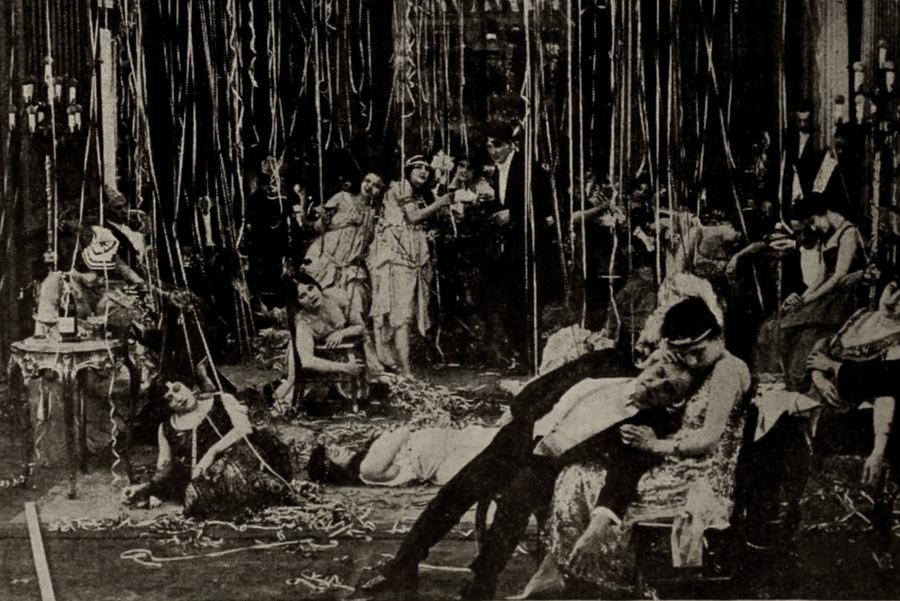
This tragic turn of events resonates with the emotional depth found in other dramas of the period, such as Lena Rivers, where innocent lives are often caught in the crosscurrents of adult machinations. The film’s ability to evoke such profound empathy for Mrs. Norton, despite her limited screen time, speaks volumes about the power of its visual storytelling and the performances of its cast.
In the wake of her mother's death, Lois, a beacon of innocence in this darkening tale, finds solace in the nascent affections of Roy Simms (Clifford Grey), a young engineer whose honest intentions stand in stark contrast to the duplicity surrounding her. Her return home, however, shatters any illusion of normalcy or healing. The grotesque spectacle of her father's swift marriage to Yvette—the very woman responsible for her mother's demise—is a cruel twist of fate. Mabel Wright imbues Lois with a compelling blend of vulnerability and nascent strength, her silent expressions conveying the profound shock and betrayal she experiences.
The inevitable clash between Lois and her new stepmother is swift and brutal. Yvette, having achieved her primary goal of ensnaring Norton, now turns her attention to consolidating her power and inflicting further cruelty. Lois, unable to endure the toxic environment, leaves home, embarking on a solitary journey into the harsh realities of urban poverty. Her lodging in a cheap boarding house marks a dramatic descent from her privileged upbringing, a stark visual representation of her father's ruin and Yvette's pervasive influence. This narrative arc, where an innocent is cast out into a cruel world, mirrors the struggles seen in films like Man and His Soul, emphasizing the human spirit's resilience amidst adversity.
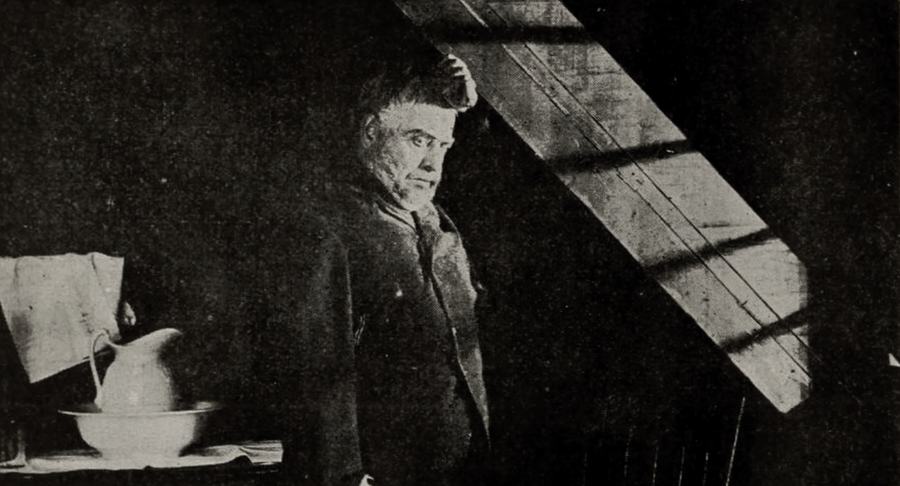
Yvette's machinations reach their zenith as she systematically strips Norton of his property, consolidating her control over his assets. The once-mighty Wall Street titan is utterly ruined, cast out of his own home by the very woman he elevated. J. Cooper Willis's portrayal of Norton's descent into dereliction is particularly poignant, a powerful visual metaphor for the transient nature of wealth and the devastating consequences of unchecked moral compromise. He becomes a ghost of his former self, wandering the very streets where he once commanded respect, a stark reminder of the film's title: a tragedy unfolding on the grand stage of Wall Street.
Yet, Yvette's malevolence knows no bounds. Not content with Norton's ruination, she sets her sights on Lois, desiring to utterly destroy her spirit. She enlists "The Rat," an underworld character whose very moniker suggests his depravity, to abduct Lois. This desperate chase through the city's underbelly is a moment of intense suspense, a primal hunt that threatens to extinguish the last vestiges of hope. Just as Lois is on the brink of capture, a figure emerges from the shadows—her own father, now a derelict, but still possessing a flicker of paternal instinct and courage. His dramatic rescue of Lois is a powerful turning point, a moment of profound, albeit late, redemption for Norton. It is a testament to the enduring bond of family, even when fractured by betrayal and despair. This unexpected heroism from a fallen man echoes the dramatic rescues and moral awakenings often seen in adventure serials of the time, though grounded in a more starkly realistic, albeit melodramatic, context.
Roy Simms, learning of Lois's misfortune, hastens to her side, embodying the steadfast loyalty and pure affection that stands in stark contrast to the film's pervasive cynicism. Lois, in an act of extraordinary grace, forgives her father, acknowledging the man beneath the ruin. Together, they embark on a journey West, seeking a fresh start, a chance for Norton to rehabilitate himself away from the corrupting influence of the city. This westward migration, a classic American trope, symbolizes not just physical relocation but a spiritual cleansing, a hopeful new beginning. It's a journey reminiscent of the pioneering spirit often celebrated in films like The Virginian, albeit with a different set of motivations—seeking solace rather than conquest.
While Lois, Roy, and Norton find their path to rehabilitation, the architects of their suffering meet their just desserts. Ranson and Yvette, bound by their shared malice, ultimately turn on each other. In a climactic quarrel, Yvette, driven by her volatile nature, shoots Ranson, bringing his insidious revenge plot to a violent and abrupt end. Her subsequent arrest for murder closes the chapter on her reign of terror, a fittingly dramatic conclusion for a character so consumed by avarice and cruelty. This swift, brutal justice is a common feature in silent era melodramas, ensuring that moral order is ultimately restored. The narrative leaves no doubt that their transgressions could not go unpunished, a stark reminder of the era's strong moralistic undertones.
The thematic resonance of A Wall Street Tragedy extends beyond its immediate plot. It serves as a potent commentary on the dangers of unchecked capitalism, the corrosive nature of revenge, and the societal vulnerabilities of the time. The depiction of Wall Street as a predatory ecosystem, where personal lives are mere pawns in grand financial games, remains chillingly relevant. The film also subtly explores gender roles, presenting Yvette as a powerful, albeit destructive, female agent, contrasting sharply with the more traditional, suffering female figures like Lois and her mother. This nuanced portrayal of female agency, even in villainy, offers a fascinating glimpse into evolving societal perceptions.
Adrian Johnson's screenplay, brought to life by the expressive performances of the cast, manages to convey a complex tapestry of human emotions without uttering a single spoken word. The silent film medium, with its reliance on exaggerated gestures, intertitles, and compelling visual compositions, proves remarkably effective in building suspense and conveying deep emotional turmoil. The contrast between the opulent settings of Wall Street and Yvette's apartment and the grim realities of Lois's boarding house or Norton's dereliction is visually striking, underscoring the film's social commentary on wealth disparity.
Comparatively, the film stands alongside other dramas of the period that grappled with similar themes of moral corruption and redemption. While not as overtly action-packed as something like Ultus, the Man from the Dead, its internal conflicts are just as gripping. Its portrayal of financial chicanery and its devastating impact on individuals finds echoes in films like A Mexican Mine Fraud; or, The Game That Failed, though A Wall Street Tragedy delves far deeper into the personal costs. The character of Yvette, a woman who wields her power with ruthless efficiency, can be seen as a precursor to the compelling, often dangerous, female figures in later cinema, much like the manipulative forces at play in The Vixen.
In conclusion, A Wall Street Tragedy is far more than a historical curiosity. It is a robust, emotionally charged melodrama that, despite the passage of time, retains its power to captivate and provoke thought. It's a cautionary tale etched in celluloid, reminding us that the pursuit of power, when untempered by morality, often leads to a precipitous fall, and that even in the darkest corners of human depravity, there remains a flicker of hope for forgiveness and rehabilitation. For enthusiasts of classic cinema and those intrigued by the dramatic interplay of finance and fate, this film offers a rich, rewarding experience, a powerful testament to the enduring allure of human drama.

IMDb 5.8
1932
Community
Log in to comment.