DbcultAccessing Vault...
Cult Review
Senior Film Conservator
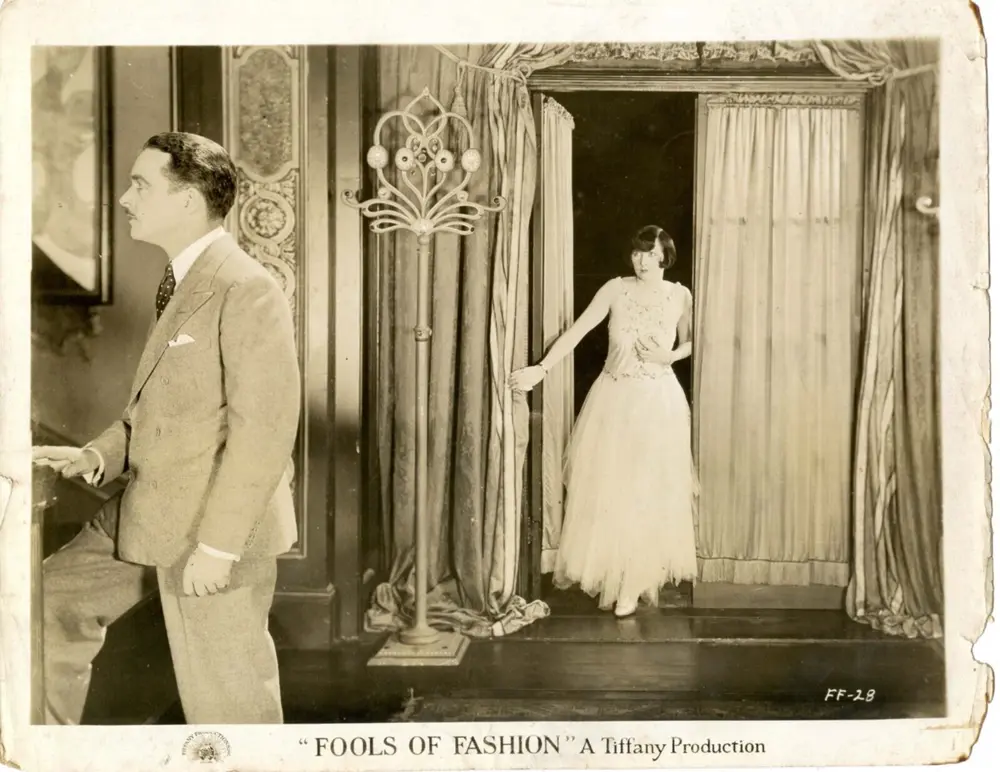
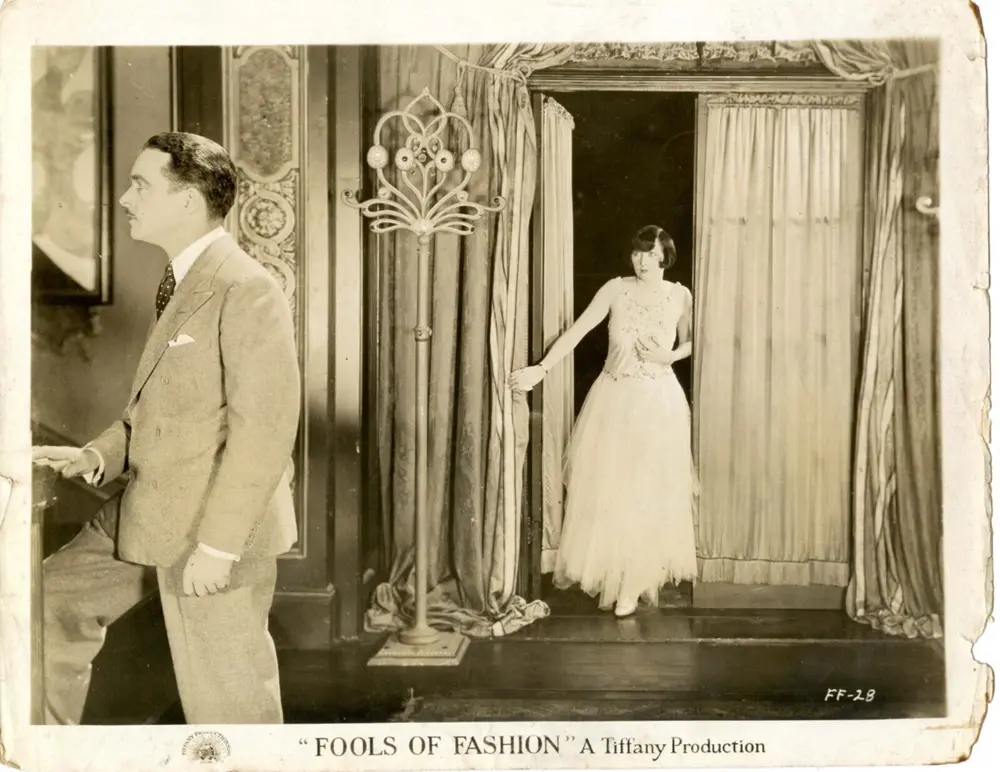
Is Fools of Fashion a hidden gem of the silent era? Short answer: Yes, but only if you appreciate the heightened moral panics of the 1920s. This film is for silent cinema completists and fans of Mae Busch’s caustic energy; it is not for modern viewers who find Victorian-adjacent moralizing tedious or repetitive.
This film works because it captures the predatory nature of high-fashion circles in the 1920s. This film fails because the husband's 'redemption' feels unearned and rushed. You should watch it if you enjoy melodramas where a single luxury item triggers a domino effect of disaster.
Yes, Fools of Fashion is worth your time if you are interested in the evolution of the 'fallen woman' genre. It provides a fascinating look at how the 1920s viewed female desire and economic independence. The film serves as a cautionary tale that, while dated, features strong performances from its lead actresses.
The plot of Fools of Fashion revolves around a fur coat, but the coat is merely a Trojan horse for a deeper exploration of class anxiety. Mary Young isn't just buying a garment; she is buying an identity. The way director George Hill frames the boutique scenes at Madame Francine’s makes the clothes look like religious icons. It’s a temple of materialism.
When Mary enters the poker game to win the money for the coat, the tension is palpable. The close-ups of the cards and the sweating faces of the players create a sense of genuine peril. This isn't a friendly game; it's a descent into a world Mary doesn't understand. It reminds me of the social pressures seen in Slaves of Pride, where status is a cage.
The lie Mary tells her husband—the pawn ticket ruse—is the first crack in her moral foundation. It’s a classic silent film trope, but Marceline Day plays it with a nervous energy that feels modern. You can see the weight of the lie in her posture. She isn't a villain; she’s just a person who wanted something beautiful and didn't know how to ask for it.
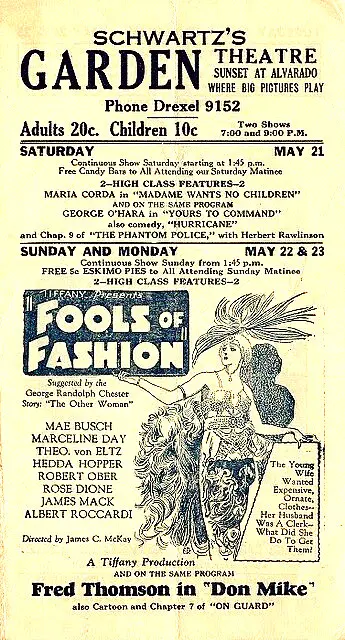
Mae Busch as Enid is the standout here. While many remember her for her later work with Laurel and Hardy, she is a powerhouse of subtle manipulation in this film. Enid isn't just a 'bad influence'; she is a woman who has already been broken by the system and is trying to bring Mary down with her. Her performance is cynical and sharp.
Marceline Day provides the perfect foil. She has the 'innocent' look required for the era, but she adds layers of desperation. In the scene where she poses for the Countess, Day’s eyes tell a story of growing realization. She knows she is in over her head. The Countess, played with icy detachment by Hedda Hopper, represents the predatory side of the art world.
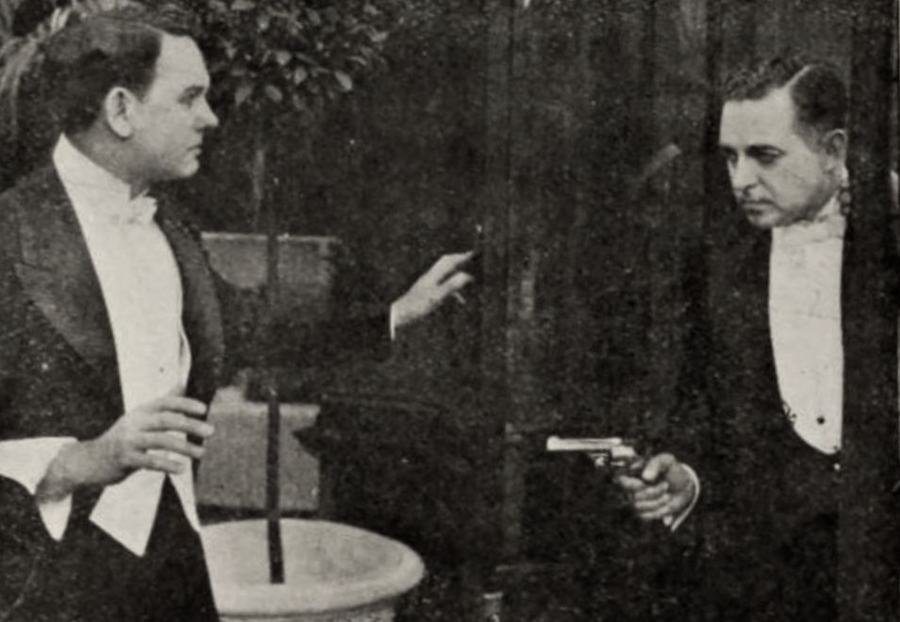
The male leads are, unfortunately, less interesting. Theodore von Eltz as the husband, Matthew, is the typical stoic provider who doesn't understand his wife’s emotional needs. James T. Mack as Mr. Norris is a standard-issue 'roué,' though his interactions with Mary in the final act do provide some genuine suspense. The film’s tension relies heavily on the women.
The direction by George Hill is competent, if a bit stagey at times. However, he excels in the film’s darker moments. The sequence where Enid falls from the balcony is a masterclass in silent film tragedy. The use of shadow and the suddenness of the movement create a jarring effect that actually feels shocking even by today's standards.
Visually, the film uses chiaroscuro lighting to differentiate between the 'safe' home of the Youngs and the 'dangerous' studio of the Countess. The studio is filled with strange angles and heavy drapes, creating a claustrophobic atmosphere. It feels like a trap because, narratively, it is one. This visual storytelling is similar to what we see in The Third Degree.
The pacing is generally good, though the middle section drags slightly as Mary navigates her various lies. The film really finds its footing in the final twenty minutes. The cross-cutting between Joe’s suspicion and Mary’s confrontation with Norris at his apartment is handled with a level of sophistication that was becoming standard in the late 1920s.
Fools of Fashion is obsessed with the idea of 'the price.' Everything has a price tag—the coat, the poker game, the posing. Even the characters' souls seem to be up for auction. This reflects a post-WWI America that was grappling with sudden prosperity and the changing role of women. It's a theme explored in other films of the time like Blue Jeans, though that film focuses more on rural poverty.
I find the husband’s ultimate repentance to be the most debatable part of the script. Matthew realizes he has been 'ungenerous,' which supposedly makes Mary’s lies and the near-affair okay. It’s a bizarre moral pivot. It suggests that the man is ultimately responsible for the woman’s moral failings. It works. But it’s flawed. It’s a very 1920s solution to a very 1920s problem.
The film also takes a stance against the 'new woman' of the Jazz Age. Enid, who represents the modern, shopping-obsessed flapper, is literally killed off. Mary, who returns to her husband, is saved. It’s a conservative ending dressed up in fashionable clothes. This moral rigidity is something modern viewers have to look past to enjoy the craftsmanship.
Pros:
1. Strong female performances that elevate the material.
2. Excellent set design and costume work that reflects the themes.
3. A genuinely shocking climax with Enid’s death.
4. Interesting exploration of 1920s social anxieties.
Cons:
1. The male characters are largely one-dimensional.
2. The moral message is delivered with a sledgehammer.
3. The 'poker game' plot point feels a bit far-fetched.
Fools of Fashion is a fascinating artifact. It is not a masterpiece, but it is a highly effective piece of social commentary from a time when the world was changing faster than people could keep up with. The film’s strength lies in its ability to make a fur coat feel like a life-or-death stakes item. If you can stomach the era's preachy tone, you’ll find a well-acted and visually engaging drama. It’s a sharp reminder that while fashion changes, the human desire for 'more' remains dangerously constant. Rating: 3.5/5
IMDb —
1915
Community
Log in to comment.