DbcultAccessing Vault...
Cult Review
Senior Film Conservator
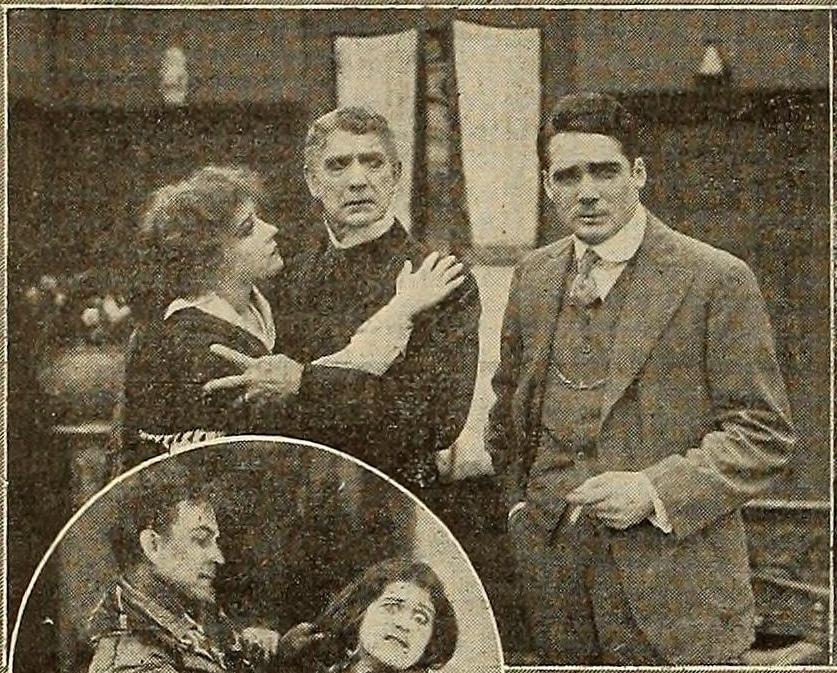
The silent era, often mischaracterized as a period of simplistic narratives, frequently delivered sagas of breathtaking complexity and emotional ferocity. Among these, A Wife's Sacrifice emerges as a particularly potent vintage, a cinematic crucible where avarice, identity theft, and familial secrets converge into a maelstrom of melodramatic genius. This isn't merely a film; it's an intricate tapestry woven with threads of deception so fine they almost defy belief, yet so compelling they demand unwavering attention. The narrative plunges us headfirst into the audacious machinations of Peppo and Gorgone, a sibling duo whose moral compass is not merely broken but entirely absent. Their scheme is born of audacious ambition: to obliterate the existence of the recently deceased Palmieri siblings, adopting their identities to seize a staggering twenty-million-franc inheritance. It's a testament to the film's bold storytelling that such a premise, ripe for disbelief, is executed with a relentless conviction that pulls the audience into its dark orbit.
From the moment Peppo and Gorgone shred those crucial death certificates, we are complicit observers in their grand charade. Their arrival in Paris, armed with forged identities and boundless chutzpah, marks the beginning of a social invasion. The city of lights, typically associated with romance and artistic flourish, here becomes a playground for predators. Gorgone, portrayed with chilling efficacy – likely by an actress of Genevieve Blinn's caliber, given the role's demanding nature – quickly establishes herself as the architect of their social ascent. Her target? The esteemed Count De Moray, a man of wealth and influence, recently returned from the exotic climes of India. The film masterfully builds the tension around Gorgone's calculated seduction, illustrating how easily a powerful man can be manipulated by a cunning mind, especially one veiled in apparent charm and sophistication. Henry Leone, assuming the mantle of the Count, must navigate a perilous emotional landscape, his character a pawn in a game he scarcely comprehends until it's far too late.
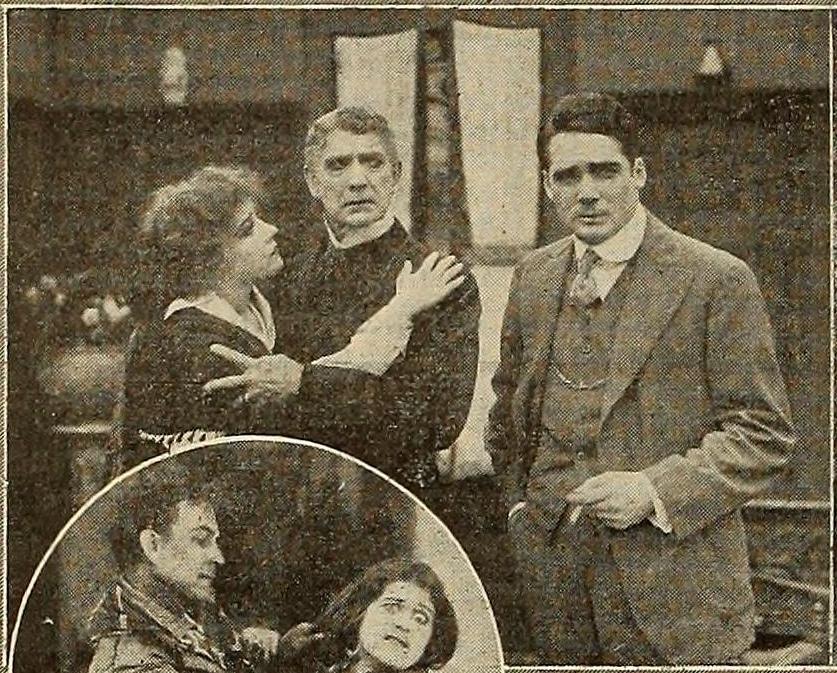
The true heart of the titular sacrifice lies with the Countess, a figure of tragic nobility whose life is irrevocably shattered by the impostors' malevolence. Her plight is born from a secret, a vulnerability that Gorgone, with predatory precision, exploits. The Countess's mother carries the burden of an illegitimate son, Robert Burel, a gambler whose very existence threatens to unravel the family's carefully constructed facade. In a desperate act of maternal devotion and protection, the Countess (a role tailor-made for an actress of Jane Lee's empathetic range) pledges a valuable necklace to secure a loan, intending to silence Burel and safeguard her mother's reputation. This act, born of love and a profound sense of duty, is twisted into a weapon against her. It is here that the narrative of A Wife's Sacrifice resonates with the darker undercurrents found in other melodramas of the era, where a woman's virtue and reputation are constantly under siege, often by forces beyond her control. One might draw parallels to the existential struggles depicted in Life's Whirlpool, where characters are similarly caught in the relentless currents of societal judgment and personal misfortune.
Peppo, likely portrayed by the versatile Stuart Holmes, acts as the insidious informant, relaying the Countess's secret transaction to his sister. This moment is pivotal, marking the direct intersection of the impostors' greed with the Countess's personal tragedy. Gorgone, now armed with this potent ammunition, wastes no time poisoning the Count's perception of his wife. She meticulously constructs a narrative of infidelity, painting the Countess's noble act as a clandestine rendezvous with a lover. The film, through its visual storytelling, must have conveyed the subtle shifts in the Count's demeanor, the insidious doubt taking root in his mind, masterfully orchestrated by Gorgone's whispers and calculated glances.
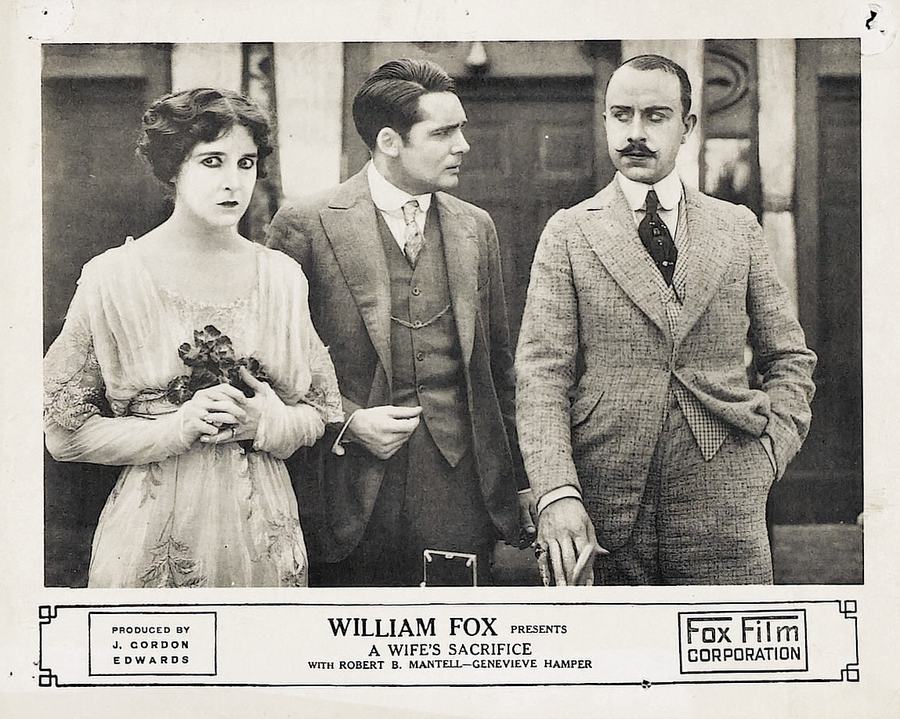
The climax of this initial deception is a masterclass in manipulative staging. Gorgone arranges to pay Robert Burel herself, ensuring the Count witnesses their embrace – an embrace entirely innocent in its intent, yet damning in its appearance. The ensuing explosion of the Count's jealousy is both predictable and devastating. He, blinded by Gorgone's lies and his own wounded pride, shoots Robert Burel, irrevocably shatters his marriage to the Countess, and, in a shocking display of haste and misplaced trust, marries Gorgone. This sequence, brimming with raw emotion, would have been a tour de force for the actors, demanding intense physicality and expressive pantomime to convey the depth of betrayal and anguish. The swiftness of the Count's actions underscores the fragility of truth in the face of expertly crafted falsehoods, a theme echoed in the intricate deceptions found in The Duplicity of Hargraves, where appearances are consistently misleading.
Just when Gorgone's victory seems absolute, the narrative introduces the crucial element of fate and the slow, inexorable grind of justice. The Count's daughter, Pauline, returns from India, accompanied by her sweetheart, Elliott Drake of the Italian consulate. Pauline's return represents a glimmer of hope, a fresh perspective that begins to subtly challenge the new, unsettling order in her father's household. Her character, likely played by Claire Whitney, embodies youthful innocence and a nascent sense of justice. The impostors, however, are far from finished. The Count's financial ruin looms, a consequence of his hasty decisions and perhaps the impostors' continued exploitation. To "save" her father, Pauline is coerced into agreeing to marry Peppo, adding another layer of despair to the already beleaguered family. This forced engagement highlights the pervasive power of the impostors, their willingness to sacrifice anyone for their continued gain, even an innocent young woman.
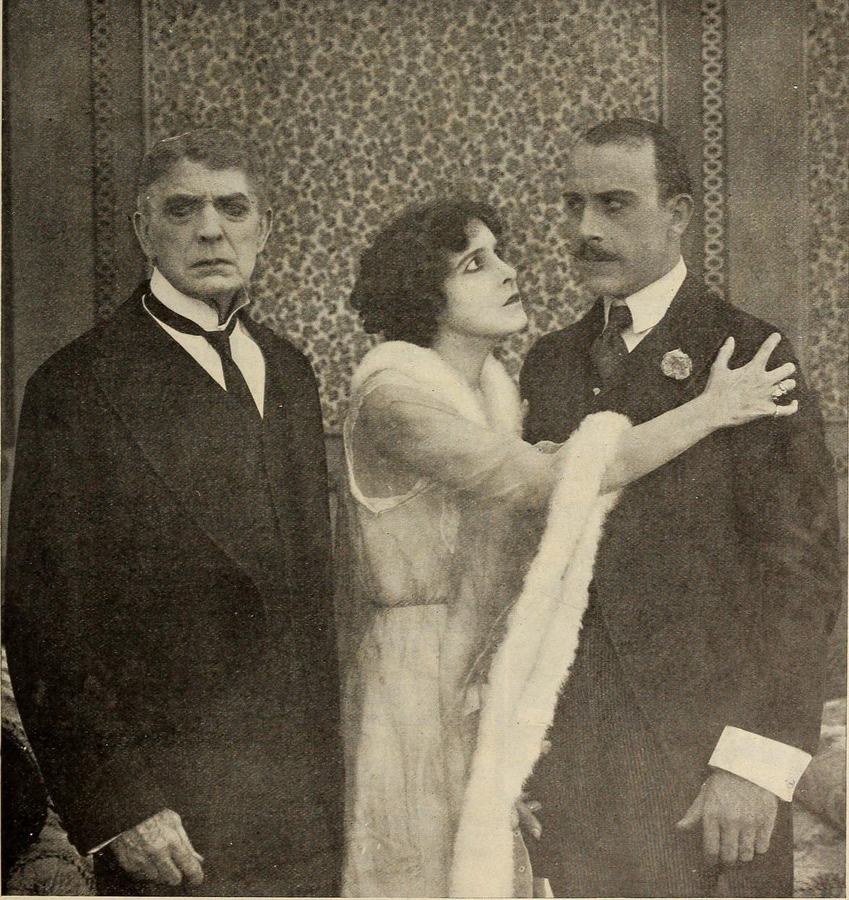
It is at this juncture that the wronged Countess, having endured the profound humiliation of divorce and the loss of her social standing, begins her arduous journey toward vindication. Her unwavering belief in her own innocence, coupled with the love for her family, fuels her resolve. She confronts her mother, compelling her to confess the truth about Robert Burel. This emotional confession, a moment of profound vulnerability and strength, is a turning point. It provides the crucial piece of evidence needed to dismantle Gorgone's carefully constructed edifice of lies. The film here explores the painful process of truth-telling, the courage required to expose long-held secrets, even those intended to protect. This struggle for truth and the weight of hidden shame bear a thematic resemblance to the somber revelations in The Promise, where past actions inevitably catch up with their perpetrators.
Elliott Drake, Pauline's sweetheart and a representative of the Italian consulate, emerges as the intellectual force behind the impostors' downfall. His role is not merely that of a romantic interest but a keen investigator, his official capacity lending weight and credibility to his inquiries. Drake meticulously gathers evidence, connecting the dots between the deceased Palmieri siblings and the fraudulent Peppo and Gorgone. His methodical approach stands in stark contrast to the impulsive, emotionally driven actions that characterized the earlier part of the film, particularly the Count's rash judgment. The unmasking of Peppo and Gorgone is a satisfying culmination of the narrative's tension, a testament to the idea that truth, however buried, will ultimately surface. The reveal of their true identities and the exposure of their elaborate scheme must have been a visually dramatic sequence, perhaps utilizing title cards to convey the shocking details of their deception.
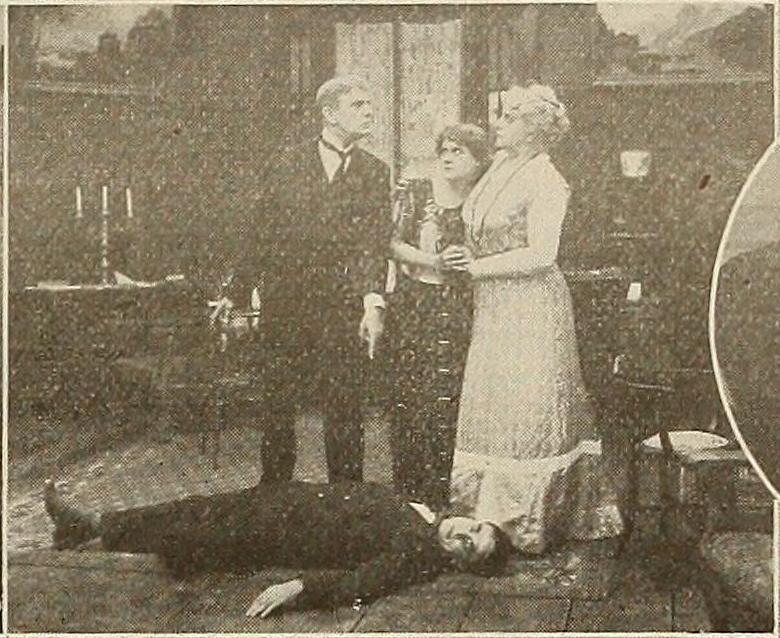
The film’s climax is a whirlwind of poetic justice and tragic self-destruction. The Countess, now vindicated, is able to forgive her husband, a testament to her enduring love and the power of reconciliation after profound suffering. This act of forgiveness, the titular "sacrifice" in its fullest sense, elevates her character from a mere victim to a beacon of moral fortitude. The impostors, facing exposure and the collapse of their ill-gotten gains, meet their dramatic ends. Peppo, cornered and defeated, chooses a cowardly escape through poison, a final act of control in a life built on deceit. Gorgone, ever the aggressor, attempts one last desperate act of violence against the Count, only to accidentally stab herself to death in the struggle. This double demise, swift and brutal, serves as a stark moral lesson, reinforcing the era's common melodramatic trope that evil, no matter how cunning, cannot ultimately triumph. The visceral nature of their end resonates with the stark consequences often depicted in films exploring the destructive power of human malevolence, such as Hate or The Kiss of Hate, where intense negative emotions lead to irrevocable ruin.
J. Gordon Edwards, credited as the writer, demonstrates a profound understanding of melodramatic structure and character psychology. The narrative he crafts for A Wife's Sacrifice is not merely a sequence of events but a carefully orchestrated ballet of cause and effect, where every deceitful act has a ripple effect, eventually leading to unforeseen consequences. His ability to weave together multiple plot threads – identity theft, social climbing, familial secrets, romantic intrigue, and a quest for justice – into a coherent and compelling whole is commendable. The film, as a product of its time, would have relied heavily on visual storytelling: exaggerated facial expressions, grand gestures, and evocative intertitles to convey the nuances of emotion and plot. The performances by the ensemble cast, including Jane Lee, Henry Leone, Stuart Holmes, William Gerald, Genevieve Blinn, Walter Miller, Claire Whitney, Franklin B. Coates, Genevieve Hamper, Louise Rial, Walter McCollough, and Robert B. Mantell, would have been crucial in bringing Edwards’ intricate vision to life. Each actor, without the aid of spoken dialogue, had to embody their character's inner turmoil, their malicious intent, or their unwavering virtue through physical presence and expressive acting.
The film's exploration of class dynamics is also noteworthy. The Palmieri fortune is a powerful motivator, driving the working-class (or at least, unscrupulous) siblings Peppo and Gorgone to infiltrate the ranks of the aristocracy. This infiltration exposes the vulnerabilities of the upper crust, demonstrating how easily their carefully guarded world can be breached by determined outsiders. The Count, despite his wealth and diplomatic standing, is rendered utterly helpless by the machinations of those beneath his perceived social stratum. This thematic undercurrent of class conflict and the fragility of aristocratic privilege offers a subtle commentary on societal structures, perhaps not as overtly political as some contemporary works, but certainly present. One could argue this subtext aligns with the broader societal critiques sometimes found in films like Blue Blood, which often dissects the inner workings and hypocrisies of the elite.
A Wife's Sacrifice stands as a powerful example of silent film melodrama at its peak. It is a genre often derided in retrospect for its perceived excesses, yet when viewed through the lens of its original context, its power is undeniable. The film understands the primal human fascination with good versus evil, with justice delayed but ultimately delivered, and with the redemptive power of love and forgiveness. The emotional stakes are consistently high, the betrayals are profound, and the eventual triumph of the wronged is deeply satisfying. The sheer audacity of the plot, combined with the dramatic performances and Edwards' taut scripting, ensures that the film transcends mere spectacle, offering a compelling narrative that delves into the darker corners of human ambition and the resilience of the human spirit.
In an era where cinema was still finding its voice, A Wife's Sacrifice spoke volumes. It reminded audiences that even in a world of opulence and privilege, the most insidious threats often come from within, or from those who skillfully exploit the cracks in the facade. The Countess's journey, from loving wife to disgraced outcast and finally to a woman redeemed, is a testament to the enduring appeal of a heroine who suffers immensely but never loses her moral compass. Her 'sacrifice' is not merely the pledging of a necklace or the loss of her husband, but the profound personal suffering she endures for the sake of truth and family honor. This makes the film not just a thrilling ride of deceit and detection, but a poignant exploration of character and the ultimate triumph of integrity over ruthless ambition. The film, in its dramatic conclusion, leaves an indelible mark, reminding us that while the path to justice may be fraught with peril, it is a journey worth undertaking.
IMDb 6
1920
Community
Log in to comment.