DbcultAccessing Vault...
Cult Review
Senior Film Conservator
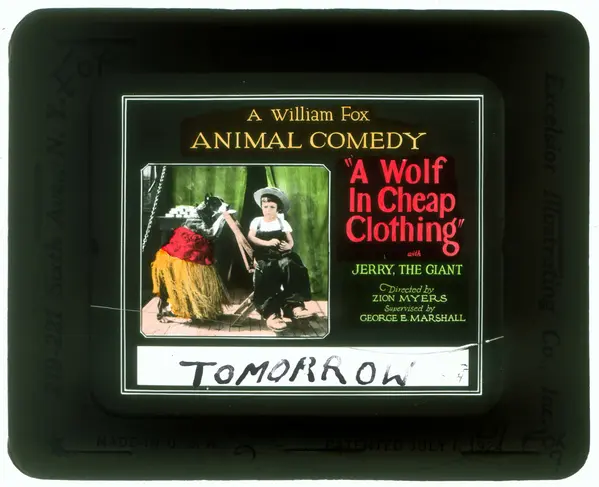
Is A Wolf in Cheap Clothing a hidden treasure of the silent era? Short answer: No, it is a fascinating historical artifact that prioritizes situational grit over polished laughs. This film is for silent cinema completionists and students of early 20th-century physical comedy; it is not for those who expect the high-octane slapstick of Keaton or Chaplin.
The film exists in a strange pocket of 1923 cinema, caught between the primitive gags of the previous decade and the more sophisticated narrative structures emerging in films like The Pioneers. It is a work that feels lived-in, dusty, and remarkably honest about the limitations of its era. It isn't trying to change the world. It’s just trying to get a laugh out of a kid in a big suit.
1) This film works because Jerry Madden possesses a deadpan sincerity that prevents the character from becoming a caricature of childhood innocence.
2) This film fails because the central premise—a child masquerading as something he is not—is never fully exploited for its dramatic or comedic potential, leaving the ending feeling abrupt.
3) You should watch it if you have an interest in the evolution of child actors from the stage to the screen and want to see how early shorts handled class themes.
Yes, but only if you view it as a piece of archaeological cinema rather than mainstream entertainment. For the modern viewer, the pacing will feel sluggish compared to contemporary shorts. However, for those who appreciate the texture of 1920s street-level filming, there is a certain tactile pleasure in watching Madden navigate the frame. It provides a window into a world that was rapidly disappearing even as the cameras were rolling.
Jerry Madden was never going to be the next Jackie Coogan, and that is precisely why he is interesting here. In one specific scene, Madden’s character attempts to blend into a group of older boys by mimicking their posture. He doesn't go for the big, expressive eyes that were common in 1923. Instead, he keeps his face remarkably still. It’s a choice that feels modern. It works. But it’s flawed by the static camera work of the time.
Compare this to the more energetic performances found in Up in the Air from the same year. Madden is doing something different. He is playing the 'wolf' not as a predator, but as a survivor. There is a scene where he pulls at his oversized collar that feels less like a gag and more like a moment of genuine discomfort. It’s these small, unscripted-feeling moments that elevate the film above its peers like The Barnstormers.
The direction is functional, bordering on utilitarian. There is a lack of the rhythmic editing that would soon define the genre. However, the use of natural light in the exterior shots gives the film a documentary-like quality. When you see the dust on the street in the background, you aren't seeing a set; you're seeing 1923. This grounding in reality makes the 'wolf' metaphor hit harder. He is a child of the streets, much like the characters in Ashamed of Parents.
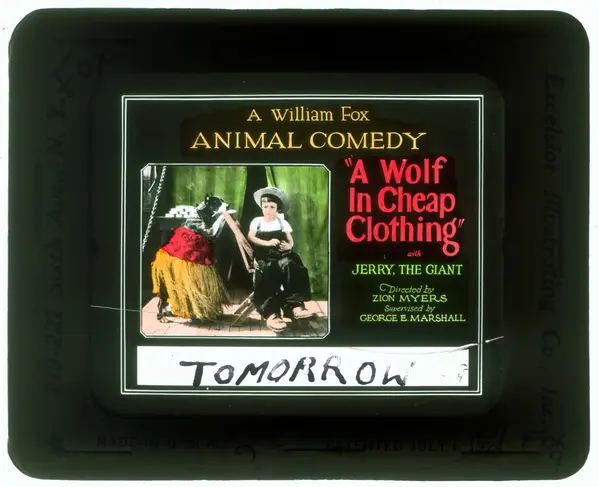
The cinematography doesn't attempt the grandiosity of The Sea Tiger. It stays close to the ground, reflecting the protagonist's perspective. This choice creates an intimacy that is often lost in silent comedies that favor wide-angle chaos. While the framing is often centered and unimaginative, it forces the audience to focus entirely on Madden’s physical performance. Every twitch of his hand is visible. Every hesitation is magnified.
The title itself, A Wolf in Cheap Clothing, is a subversion of the biblical warning. Here, the 'wolf' is not a threat to the flock; he is a member of the flock trying to pretend he has teeth. It’s a commentary on the performative nature of class. We see this theme explored in a more adult context in Sex, but seeing it through a child's eyes adds a layer of pathos that the film doesn't quite know how to handle.
There is a sequence where the protagonist encounters a more affluent child. The contrast in their attire is played for laughs, but the underlying tension is palpable. The film suggests that identity is something that can be bought or borrowed, a sentiment that echoes through other films of the period like The Complete Life. It’s a cynical take for a comedy short, but it gives the film a weight that survives a century later.
Pros:
Cons:
Many will watch this and wonder where the jokes are. The 'jokes' in this film are found in the silences. It’s the way Madden looks at a discarded cigar or the way he adjusts a coat that is three sizes too big. It’s a comedy of recognition. We recognize the desire to be bigger than we are. We recognize the fear of being found out. In this way, it shares a DNA with Why Girls Say No, which also deals with the gap between social expectation and reality.
"The film is a relic, not a revelation. It captures a moment in time where cinema was still figuring out how to tell small stories about big feelings."
The film’s lack of a traditional 'climax' is its most debatable quality. Some will find it frustratingly thin. I find it refreshing. It doesn't force a happy ending where the boy suddenly finds wealth or status. He simply exists. The 'wolf' remains in his cheap clothing, and the world moves on. This realism is a far cry from the romanticized history seen in The Courtship of Myles Standish.
The pacing is the film's biggest hurdle. At times, it feels like the director was afraid to cut away from Madden. This results in long takes that would be trimmed by half in a modern production. However, these long takes allow the viewer to absorb the environment. You see the textures of the brick walls and the unevenness of the pavement. It’s a visceral experience that a more 'polished' film like The Hope lacks.
The lighting is almost entirely flat, which was common for low-budget shorts of the era. Yet, there is a scene in an alleyway where the shadows provide a much-needed depth. It’s one of the few moments where the film feels 'cinematic' in a traditional sense. For the rest of its duration, it relies on the strength of its lead. Madden carries the weight of the film on his small shoulders, and for the most part, he succeeds.
A Wolf in Cheap Clothing is not a film you watch for the plot; you watch it for the atmosphere. It is a gritty, unpretentious slice of 1923 that refuses to play by the rules of sentimentality. While it lacks the technical prowess of Wild Beauty or the epic scope of The Cloister and the Hearth, it possesses a unique, stubborn charm. It is a minor work, certainly. But it is an honest one. If you can handle the slow burn and the primitive visuals, you will find a film that is much more than the sum of its parts. It’s a bit of a mess. But it’s an honest mess.
IMDb —
1918
Community
Log in to comment.