DbcultAccessing Vault...
6.1/10
Senior Film Conservator
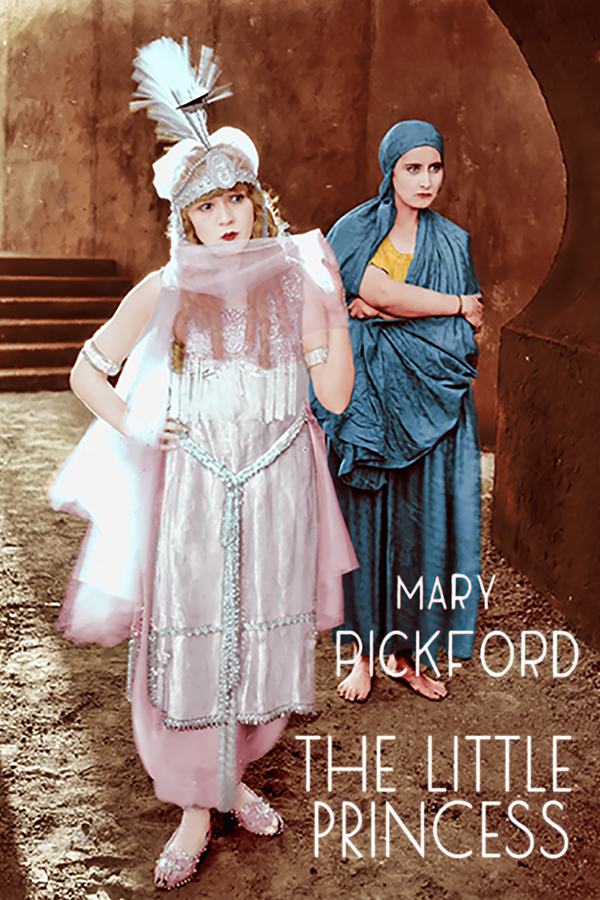
A definitive 6.1/10 rating for a film that redefined the boundaries of cult cinema. A Little Princess remains a cornerstone of transgressive art.
Gilded captivity never looked so ravishingly cruel.
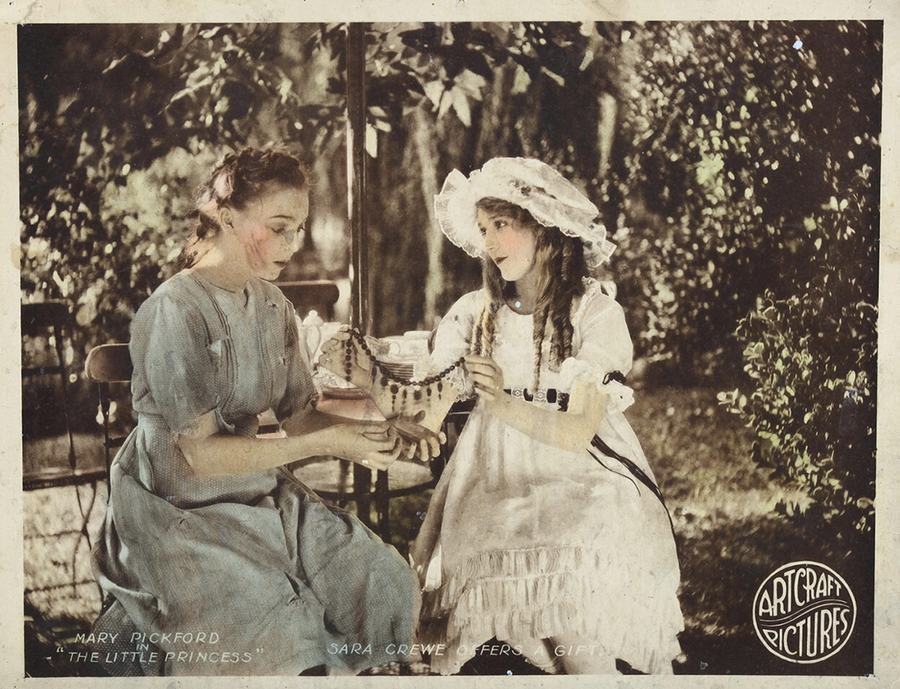
The 1917 adaptation of Burnett’s novella arrives like a hand-tinted postcard that has been wept upon, its amber blues and rose pinks flickering in a stroboscopic waltz. Mary Pickford, twenty-four yet uncannily childlike, incarnates Sara with an ethereality that feels scraped from moonlit alabaster. She shifts from miniature maharani to soot-smeared drudge without ever shedding an inner corona of sovereignty, a trick accomplished less through pantomime than through micro-gestures: the way her fingertips linger on a cracked teacup as though it were the Holy Grail, or how her pupils dilate when she spies a crust of bread, equal parts hunger and reverence.

Director Marshall Neilan shoots the seminary’s corridors with Germanic angles borrowed from Caligari’s playbook, though here the expressionism is domesticated, the nightmare one of doilies and curfews rather than carnivals and murders. Shadow trapezoids slice across Persian rugs; chandeliers loom like decapitated suns. The camera, starved of spoken word, becomes a gossip, sidling up to keyholes, ascending banisters, discovering Sara in her garret where she chalks epic murals of elephants and temple spires directly onto peeling plaster. Nitrate decay nibbles the frame edges, yet the emulsion burns brighter for its wounds, flares of citrine and cochineal pulsing whenever Pickford’s face fills the iris.
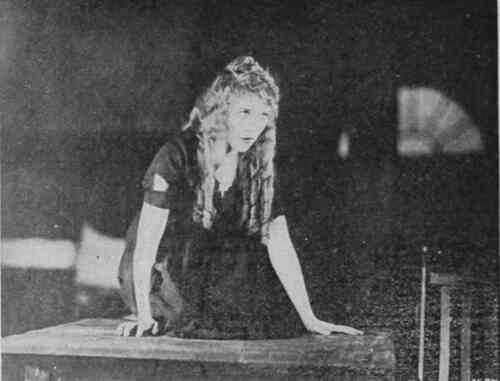
Frances Marion’s intertitles—often dismissed as mere narrative band-aids—operate here like whispered sutras. “I am a princess in rags and I am a princess in flames,” Sara declares, words superimposed over a crimson tint that floods the screen as though the film itself is blushing. The screenplay prunes Burnett’s Christian moralism and grafts onto it a proto-feminist manifesto: wealth is not restored by patriarchal providence but unearthed by a multiracial coalition of women, girls, and one lascar manservant whose turban is treated with casual dignity rather than exotic caricature. Compare this to the villainy in The King’s Game where female agency is a mere pawn; here the board flips.
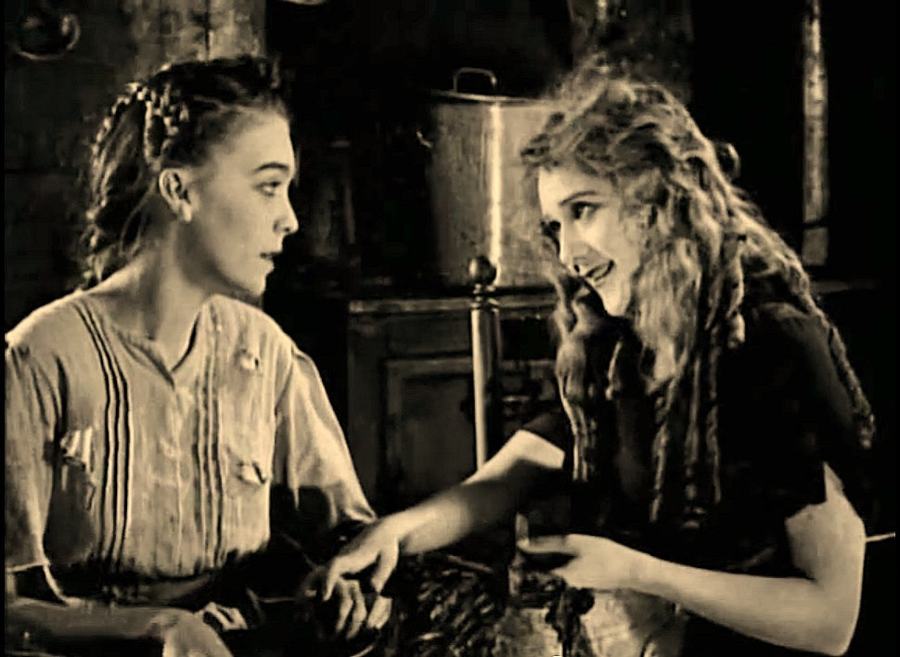
ZaSu Pitts, as the spindle-armed scullery maid Becky, delivers a masterclass in comic pathos without ever tumbling into the pit of hick sentiment that derails Loyalty. Theodore Roberts’ Captain Crewe appears only in flashback tableaux, yet his mustache seems to carry the entire weight of the British Empire’s guilt. The true marvel, though, is Pickford’s dual register: she can tilt her head at a 15-degree angle and summon prelapsarian innocence, then pivot the same cranial axis to reveal a gaze older than Sanskrit.
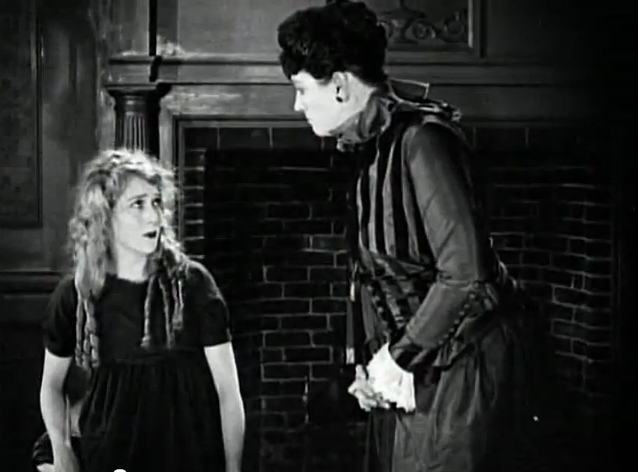
Technicolor was still two decades away, yet cinematographer Charles Rosher floods monochrome with chromatic suggestion. Night sequences are bathed in nocturnal aquamarine tints; daytime exteriors glow with marigold that seems to have been brewed from actual marigolds. When Sara imagines a banquet, the film’s grain thickens, the frame edges soften, and for a fleeting 12 seconds we might be inside a hand-painted fairy-tale book discovered in a Kolkata bazaar. Contrast this with the sooty ochres of The Turmoil, where industrial grime is the palette; here grime is merely the chrysalis.
The current Kino restoration offers a new score by the Mont Alto Motion Picture Orchestra—strings, tabla, and a glass harmonica that trembles like dew on spider silk. During the attic sequence, the music drops to a single heartbeat-like drum, echoing the girl’s own pulse, until a burst of sitar announces the lascar’s entrance, a sonic coup that rewrites orientalist cliché into sonic solidarity. Watch this on a 4K projector and you will swear Pickford’s exhale fogs your living-room screen.
Alfonso Cuarón’s 1995 remake borrowed the iris-out transitions; Greta Gerwig’s Little Women cribbed the notion that domestic labor can be shot like kinetic ballet. Even the Harry Potter attic under-the-stairs owes its spatial grammar to Neilan’s garret sequences. Yet none of the descendants possess the same ontological fragility: nitrate is mortality crystallized, each viewing a negotiation with entropy.
The film cannot quite escape the imperial gaze—India is still a treasure chest rather than a place of real bodies. And the climactic restoration of wealth feels rushed, a deux ex machina in silk pajamas. But these are period scars, not mortal wounds; contextual footnotes rather than indictments.
A century on, this celluloid tiara still cuts the fragile skin of complacency. To witness Pickford press a single tattered shawl against her cheek as though it were the Bayeux Tapestry is to relearn cinema’s primal gift: the transubstantiation of the mundane. Stream it, sure, but better to haunt a repertory house where the projector’s clack becomes a metronome for your own thudding empathy. Leave the palace of pixels; descend into the flicker. The attic is waiting, and it is gilded with ghosts who will call you princess even when your pockets are as empty as moonlight.
IMDb 6.3
1935
Community
Log in to comment.