DbcultAccessing Vault...
Cult Review
Senior Film Conservator
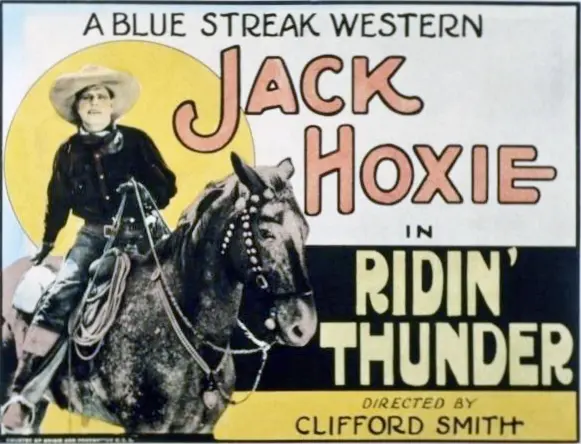
Is 'Ridin' Thunder' worth watching today? Short answer: yes, but with a few significant caveats that place it firmly in the realm of historical curiosity rather than essential viewing for a casual audience. This silent Western is an intriguing relic for those with a keen interest in early cinema, genre evolution, and the raw energy of nascent action filmmaking. However, it is decidedly not for viewers accustomed to the narrative depth, character complexity, or polished production values of modern storytelling.
This film works because of its relentless pacing and a surprisingly effective central race against time. It fails because its characters are largely archetypes, and its emotional beats, while clear, lack the nuance modern audiences expect. You should watch it if you appreciate the foundational elements of the Western genre, enjoy dissecting silent film techniques, or simply want to witness a truly audacious train chase sequence.
At its core, "Ridin' Thunder" is a quintessential tale of filial loyalty tested by the harsh realities of the American West. The setup is brutally efficient: a notorious gunfighter, Bill Croft, is ambushed, and an innocent rancher, Frank Douglas, is railroaded into a death sentence based on flimsy evidence. This immediate injustice sets a high emotional bar, propelling Jack Douglas, Frank's son, into a desperate, solitary quest for truth. The film wastes no time establishing the stakes, pushing its protagonist into action with an urgency that belies its age.
What truly elevates this narrative beyond a simple revenge plot is the introduction of Jean, the victim's daughter, as an ally. This collaboration between the son of the accused and the daughter of the murdered man adds a layer of moral complexity and shared purpose that strengthens Jack's resolve. Their joint investigation, though depicted with the broad strokes typical of the era, underscores a belief in justice that transcends personal vendettas. It’s a testament to the film’s narrative economy that these relationships are established quickly, yet effectively, driving the plot forward without unnecessary exposition.
The climax, involving the pursuit of the real killer and the subsequent race against the clock to secure a pardon, is where "Ridin' Thunder" truly lives up to its name. It’s a narrative structure that has been replicated countless times since, but here, in its foundational form, it feels fresh and exhilarating. The film argues, quite forcefully, that the spirit of individual heroism is often the only bulwark against a flawed and unforgiving legal system on the frontier.
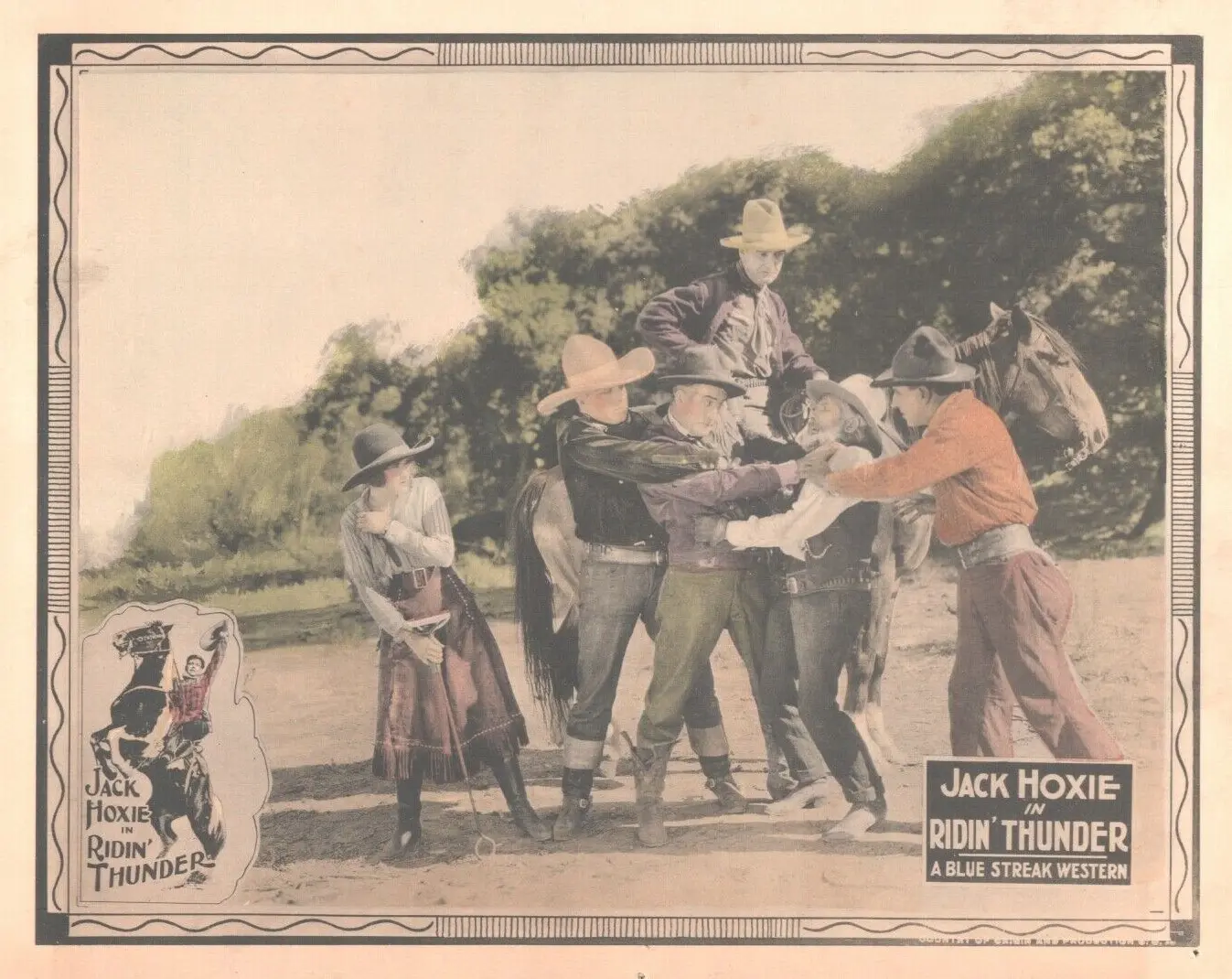
The acting in "Ridin' Thunder" is, as expected for a silent film of this vintage, largely theatrical and broad, prioritizing clear emotional signals over subtle internal monologues. Jack Hoxie, as the determined son Jack Douglas, embodies the stoic, action-oriented hero of the Western. His performance relies heavily on physical presence and emphatic gestures to convey desperation, resolve, and triumph. There's a raw, unvarnished quality to his portrayal that grounds the character in the rugged landscape he inhabits.
Buck Connors, Bert De Marc, and William McCall, among others, fill out the ensemble with equally defined, if less nuanced, performances. Villains are dastardly, lawmen are gruff, and the innocent are beleaguered. This isn't a film asking its actors to delve into psychological depths; rather, it demands clarity and impact. Every furrowed brow, every wide-eyed stare, every frantic gallop is designed to communicate directly to an audience without the aid of spoken dialogue. It works. But it's flawed.
Katherine Grant, as Jean, provides a surprisingly proactive female presence. While her role is primarily to aid Jack, she is not merely a damsel in distress. Her agency, however limited by the conventions of the time, suggests a nascent understanding of more complex female characters in Westerns. For example, her initial willingness to believe in Jack's father's innocence, despite her own father being the victim, offers a glimpse of an independent moral compass that stands out against the backdrop of male-dominated heroism. This might be an unconventional observation, but her character feels less like a prop and more like a partner, a subtle but important distinction for early cinema.
Francis Ford, credited as one of the directors, demonstrates a clear understanding of how to build tension visually in a silent medium. The cinematography, while not groundbreaking by today's standards, is functional and effective, especially in capturing the expansive vistas of the Western frontier. Wide shots establish the isolation and scale of the journey, while tighter close-ups emphasize the emotional beats of fear, determination, and relief. The film's visual language is direct, prioritizing clarity of action above all else.
The pacing of "Ridin' Thunder" is remarkably swift. It's a film that constantly pushes forward, mirroring Jack's relentless pursuit. There's little room for lingering shots or contemplative moments, a choice that serves the high-stakes narrative well. This urgency culminates in the film's most memorable sequence: the cross-country race between Jack on horseback and a speeding train. This scene is a masterclass in early action filmmaking, relying on parallel editing and sheer kinetic energy to create a truly thrilling spectacle. It's audacious, a little bit unbelievable, and utterly captivating. It shows a directorial ambition that transcends the technical limitations of its era, delivering a genuine adrenaline rush.
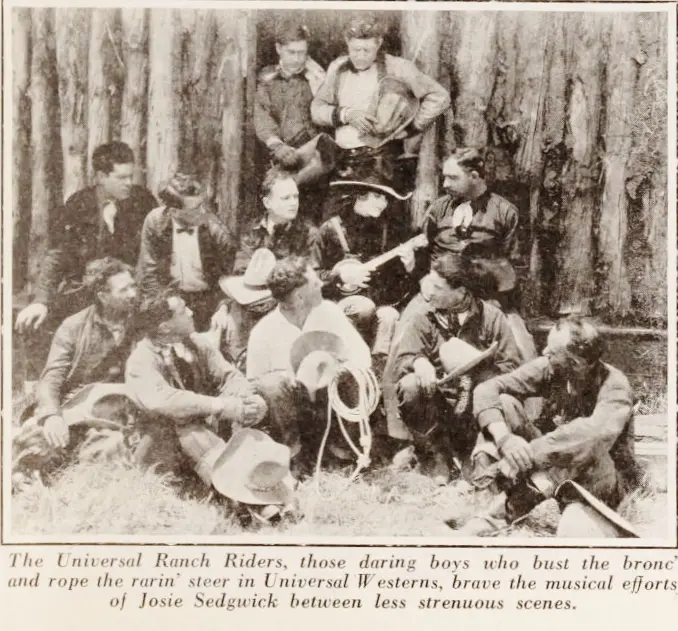
The tone throughout is one of earnest adventure and unwavering moral righteousness. There are no shades of grey in the villainy or the heroism, which is characteristic of the time. This clear moral compass, while simplistic, makes the film's central conflict easy to grasp and root for. Ford understands that in a silent film, clear visual storytelling and an unambiguous emotional register are paramount, and he delivers both with confidence.
Yes, for specific audiences. "Ridin' Thunder" is a valuable historical document for silent film enthusiasts and Western genre scholars. It showcases early filmmaking techniques, including impressive practical stunts and effective parallel editing. For a general audience, its dated conventions and lack of dialogue might be a barrier. But if you appreciate the raw, foundational energy of cinema, it offers genuine thrills.
Comparing "Ridin' Thunder" to its contemporaries reveals its strengths and weaknesses within the silent Western landscape. Films like The Devil's Trail or Money Mad often shared similar tropes of mistaken identity and heroic redemption, but "Ridin' Thunder" distinguishes itself through the sheer audacity of its climactic chase. It foregrounds action and spectacle in a way that feels surprisingly modern, prefiguring the high-octane sequences that would become a staple of later Hollywood productions.
However, it also shares the common pitfalls of its era: character development is minimal, motivations are often simplistic, and the portrayal of Native Americans (if any were present, though not explicitly in the plot summary, it's a common silent Western trope) would undoubtedly be problematic by today's standards. Yet, to judge it solely by modern metrics would be unfair. Its value lies in understanding the evolution of cinematic language, how filmmakers communicated complex ideas and thrilling sequences without sound. The film serves as an excellent case study in how visual storytelling was honed and refined during the silent era, demonstrating that a compelling narrative could be crafted with imagery and movement alone.
The film's exploration of justice is another point of interest. It's not a nuanced legal drama; instead, it’s a powerful endorsement of individual initiative when formal systems fail. Jack Douglas doesn't wait for the law; he *becomes* the law, at least in its executive function. This theme of self-reliance and direct action is a cornerstone of the Western genre, and "Ridin' Thunder" presents it in one of its purest forms. It's a strong, debatable opinion that while this simplifies the complexities of justice, it also creates an incredibly potent and relatable heroic archetype for its time, one that speaks to a deeply ingrained American mythos.
"Ridin' Thunder" is more than just a dusty relic; it's a vibrant snapshot of early Western filmmaking, brimming with a raw energy that still resonates. While its silent-era conventions, particularly in character depth, might deter some, its relentless pacing and an undeniably spectacular climax make it a compelling watch for the historically minded cinephile. It serves as a powerful reminder of how foundational cinematic storytelling could be, even without the luxury of dialogue or sophisticated effects. It’s not a film that will redefine your understanding of cinema, but it will certainly entertain and educate on the genesis of a beloved genre. For those willing to adjust their expectations to the era, Jack Douglas's ride is still a thrill worth taking.
IMDb —
1928
Community
Log in to comment.