DbcultAccessing Vault...
Cult Review
Senior Film Conservator
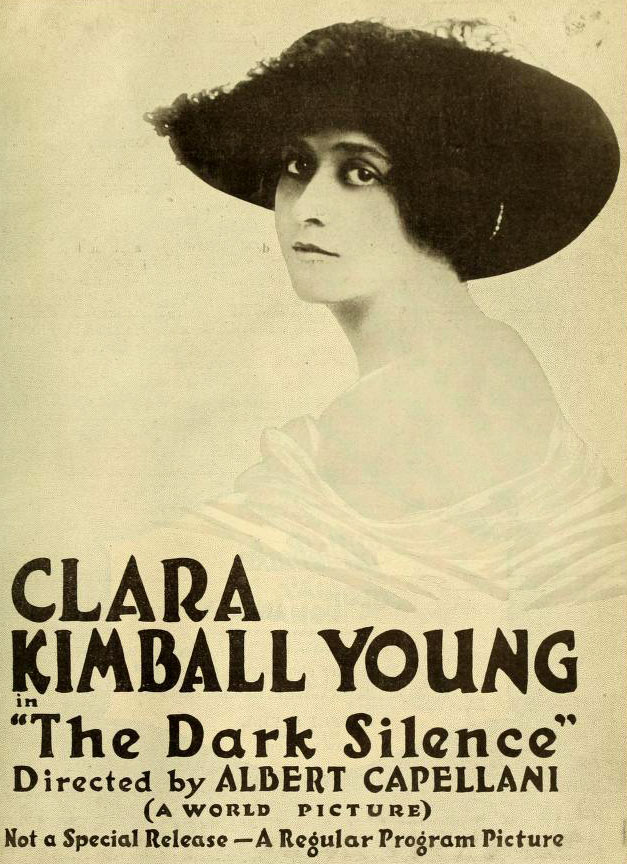
There's a peculiar magic to rediscovering films from the silent era, a journey back to the very foundations of cinematic storytelling. They speak in a language of grand gestures, lingering gazes, and intertitles that bridge the emotional chasm, demanding a different kind of engagement from the modern viewer. Among these treasures, 'The Dark Silence' emerges as a particularly compelling artifact, a sprawling melodrama that weaves a tapestry of love, deception, and the brutal crucible of World War I. Starring the luminous Clara Kimball Young, this 1916 production, penned by Paul West, is more than just a period piece; it’s a testament to the enduring power of human drama, played out against a canvas of global upheaval.
At its heart, 'The Dark Silence' is a testament to the grand, often tragic, romantic narratives that captivated audiences in the nascent days of cinema. It’s a film that asks its viewers to surrender to its emotional currents, to embrace the heightened reality of its world where fate often seems a character in itself, orchestrating both heartbreak and improbable reunion. Clara Kimball Young, a veritable star of her time, anchors the narrative with a performance that, even through the veil of a century, communicates a profound range of emotion without uttering a single word. Her Mildred White is a figure of both fragility and formidable resilience, a woman caught in the tempest of circumstance yet possessing an inner fortitude that propels the story forward.
The film opens in the enchanting, pre-war Paris, a city synonymous with romance and intrigue. Here, we are introduced to Mildred White, a woman whose beauty and charm draw the attention of two very different men. First, there is Derwent Ainsworth, portrayed by Joseph M. Attie, a character who embodies the dashing, honorable romantic lead. His connection with Mildred feels immediate, authentic, a bond of genuine affection. Then, we have Dr. Mario Martinez, played by Edward Langford, whose presence introduces a subtle, yet palpable, undercurrent of menace. Mario is not merely a rival; he is an architect of deception, a master manipulator whose suave exterior conceals a calculating heart. This initial setup is classic melodramatic fare, reminiscent of the intricate social dramas seen in films like 'The Walls of Jericho', where personal desires clash with societal expectations and moral ambiguities.
The narrative's central conflict ignites when Derwent is abruptly called away to tend to his dying father. This sudden departure, a twist of fate, leaves Mildred vulnerable and susceptible to Mario's insidious influence. Langford’s portrayal of Mario is particularly effective here; he doesn't need dialogue to convey his character's cunning. His expressions, his gestures, the way he subtly encroaches upon Mildred’s emotional space, are all part of a finely tuned performance. He plants seeds of doubt, convincing Mildred that Derwent has abandoned her, a cruel lie designed to secure her for himself. This particular sequence highlights the power of suggestion and the fragility of trust, especially in a world where communication was not instantaneous. It’s a classic narrative device, but rendered with a certain gravitas that makes Mildred's anguish feel genuine.
As if personal heartbreak weren't enough, the larger world intervenes with devastating force: World War I erupts. This global conflict serves not merely as a backdrop but as an active, shaping force in the characters' destinies, much like in epic narratives such as 'War and Peace'. Derwent, his intentions pure, returns to Paris, desperate to reunite with Mildred. But the city is in chaos, and fate, ever cruel, orchestrates a moment of devastating misunderstanding. He witnesses Mildred leaving Paris with Mario, a sight that, in his mind, confirms his worst fears of betrayal. This misinterpretation, born of circumstance and Mario’s earlier deception, propels Derwent into the trenches, enlisting in the army, his heart heavy with perceived abandonment.
The narrative then shifts, with Mildred discovering Mario's initial perfidy. This revelation is a pivotal moment, transforming her from a passive victim of circumstance into an active agent of her own destiny. Her decision to join the Red Cross is not merely an act of wartime service; it is a desperate quest, a pilgrimage of atonement and yearning, to find Derwent amidst the cataclysm. This particular plot point resonates with the spirit of sacrifice and determination often seen in films focusing on women's roles during wartime, though here it’s imbued with a deeply personal motivation. The visual juxtaposition of Parisian salons and the grim realities of the front lines would have been stark for contemporary audiences, highlighting the war’s pervasive reach.
The film reaches its most poignant and melodramatic height when Mildred, serving as a nurse, finds Derwent among the wounded. He has been blinded in battle, a cruel irony that strips him of his sight but, paradoxically, allows for a profound emotional reconnection. The genius of this plot device lies in its ability to create dramatic tension through proximity and anonymity. Derwent, unaware of his nurse’s true identity, falls deeply in love with her, a love born not of sight, but of shared vulnerability, compassion, and the deep, unspoken resonance between their souls. This segment of the film is a masterclass in silent film acting, with Clara Kimball Young conveying Mildred’s inner turmoil – the agony of knowing, the joy of being near him, and the fear of revelation – through subtle shifts in expression and body language. Joseph M. Attie, too, portrays Derwent's blindness with a convincing pathos, making his gradual affection for his unseen caregiver utterly believable.
Their marriage, solemnized under these extraordinary circumstances, is both a triumph of love and a ticking emotional time bomb. The viewer is acutely aware of the impending revelation, the moment when Derwent’s sight, if restored, will either solidify their bond or shatter it irrevocably. This dramatic irony is a cornerstone of classic melodrama, engaging the audience's empathy and suspense. It’s a narrative technique that builds immense emotional investment, keeping viewers on the edge of their seats, much like the intricate personal stakes in a film such as 'Judex', where secret identities drive much of the plot.
The climax of 'The Dark Silence' hinges on a desperate plea. Mildred, driven by love and a desire for complete truth, seeks out Dr. Mario Martinez. In a remarkable turn, she prevails upon him to perform a specialized operation to restore Derwent’s sight. This moment is fraught with complex emotions. For Mario, it is an opportunity for redemption, a chance to atone for his earlier deceptions by using his medical skill to heal the man he wronged. For Mildred, it is a leap of faith, trusting her former tormentor with the very future of her husband's happiness and her own peace of mind. The tension during the operation, conveyed through the actors' strained expressions and the subtle visual cues of the surgical setting, would have been palpable.
The dramatic unveiling of Derwent's restored vision is the film’s emotional zenith. As the bandages come off, the world floods back into his eyes, and with it, the undeniable recognition of Mildred. It’s a moment of profound joy, relief, and perhaps a touch of bewildered understanding as the pieces of his past fall into place. Clara Kimball Young's reaction here, a mixture of hope, trepidation, and overwhelming love, is nothing short of masterful. The film masterfully resolves the central conflict, not just through a physical cure but through the emotional reconciliation of its protagonists. Meanwhile, Mario, having played his final, redemptive role, meets his fate in battle, a poetic and somewhat convenient end that neatly ties up the loose ends of his character arc. His death, while tragic, serves as a form of karmic justice, allowing the central lovers their hard-won happiness.
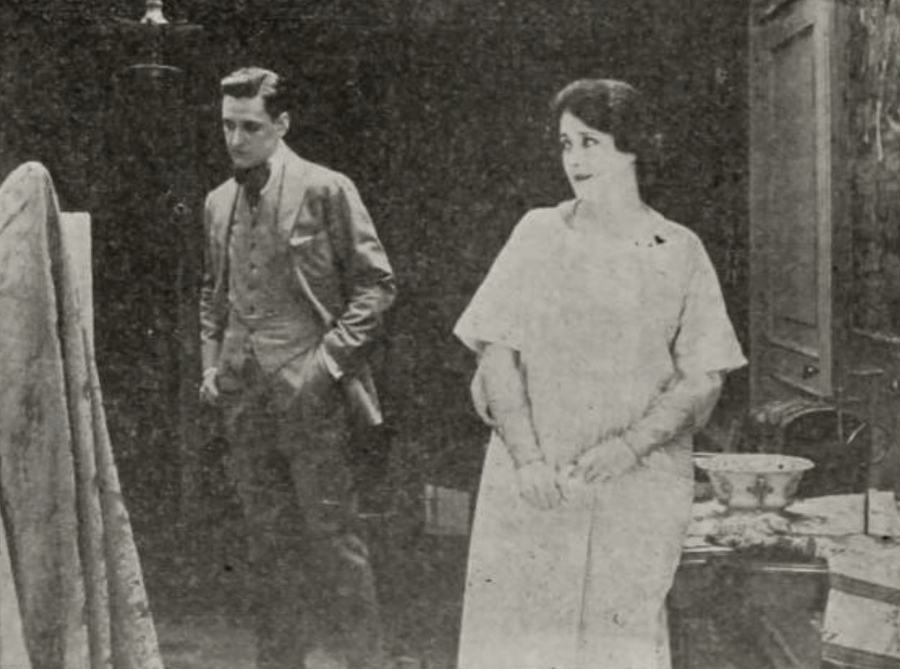
Clara Kimball Young, as Mildred White, delivers a performance that solidifies her status as a leading lady of the era. Her ability to convey deep emotion – anguish, hope, love, fear – without spoken dialogue is remarkable. She carries the emotional weight of the film, making Mildred's journey from a naive Parisian belle to a resilient wartime nurse utterly believable. Joseph M. Attie, as Derwent, provides a strong, sympathetic counterpoint, particularly convincing in his portrayal of blindness and his subsequent, unwitting romance. Edward Langford, as the villainous Mario, manages to be both charming and chilling, his deception unfolding with a subtle menace that eschews overt villainy for something more psychologically unsettling. The supporting cast, including Barbara Gilroy, Paul Capellani, and Jessie Lewis, contribute effectively to the film's rich tapestry, each playing their part in the unfolding drama.
The direction, though uncredited in available records, demonstrates a keen understanding of silent film aesthetics. The use of close-ups to emphasize emotional states, the strategic deployment of intertitles to advance plot and provide inner monologue, and the overall pacing of the narrative are all handled with a practiced hand. The film's visual language, while perhaps less overtly experimental than some of its contemporaries, effectively serves the melodramatic narrative, drawing the audience into its emotional currents. The sets, particularly those depicting pre-war Paris and the Red Cross hospital, would have been meticulously crafted to immerse the viewer in the period, a common characteristic of ambitious productions of the time, striving for realism even within the theatrical confines of early cinema.
Beyond its intricate plot, 'The Dark Silence' explores several potent themes that remain relevant. The pervasive impact of war on individual lives, the destructive power of deception, the redemptive potential of sacrifice, and the enduring strength of true love are all woven into its fabric. It's a film that, despite its century-old vintage, speaks to universal human experiences. The idea of love overcoming seemingly insurmountable obstacles, even blindness and the horrors of war, is a timeless narrative that continues to resonate. It shares thematic DNA with other grand romantic epics of the era, where fate and human will collide in dramatic fashion, often pushing characters to their emotional and physical limits.
The film also provides a fascinating glimpse into the cultural anxieties and romantic ideals of the early 20th century. The portrayal of women, while still within the confines of period expectations, shows a move towards greater agency and resilience, particularly in Mildred's decision to join the Red Cross and actively seek her love. This portrayal offers a counterpoint to more constrained female roles seen in some earlier works, hinting at the evolving social landscape. Furthermore, the film's success would have been predicated on its ability to tap into the collective consciousness regarding the ongoing war, offering both an escape and a reflection of the profound changes sweeping the world.
While perhaps not as widely discussed as some of its contemporaries, 'The Dark Silence' stands as a compelling example of silent era melodrama. It’s a reminder of the sophisticated storytelling that was possible even without synchronized sound, relying instead on visual artistry, powerful performances, and well-crafted narrative arcs. For anyone interested in the evolution of cinema, or simply in a grand, sweeping tale of love and perseverance, this film offers a richly rewarding experience. It’s a testament to the enduring appeal of human stories, told with passion and dramatic flair, that transcend the limitations of technology and time.
Revisiting such films is not merely an academic exercise; it's an act of re-engagement with the foundational narratives that shaped cinematic language. 'The Dark Silence', with its intricate plot, compelling characters, and potent emotional core, deserves its place in the pantheon of significant silent films. It captures a moment in history, both cinematically and globally, offering a window into the dramatic sensibilities and societal concerns of a bygone era. It reminds us that even in the absence of sound, the human heart, with all its complexities, can speak volumes, and that true love, against all odds, can indeed find its way through the darkest of silences. The film's enduring power lies in its ability to evoke genuine emotion, to draw the viewer into its world, and to leave a lasting impression of a love that defied the very chaos of war and the machinations of deceit. It's a cinematic journey well worth taking, a vibrant echo from the past that still resonates today. The film, much like a meticulously crafted antique, reveals new layers of artistry and meaning with each viewing, inviting contemplation on the nature of fate, choice, and the intricate dance between them.
IMDb 5.3
1918
Community
Log in to comment.