DbcultAccessing Vault...
Cult Review
Senior Film Conservator
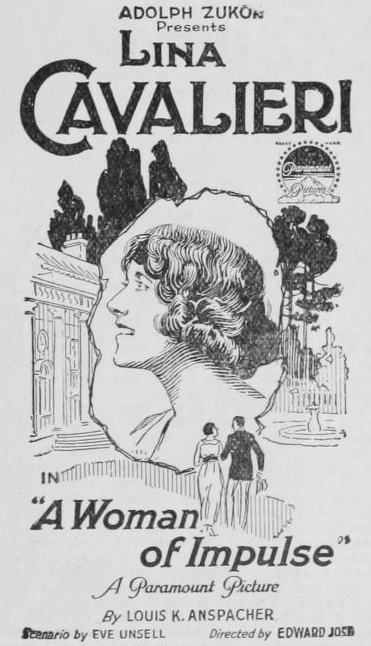
Stepping back into the hallowed halls of early 20th-century cinema, one encounters a fascinating tapestry of grand narratives, heightened emotions, and pioneering artistry. Among these celluloid relics, a particular gem from 1918, A Woman of Impulse, emerges not merely as a historical curiosity but as a potent melodrama, showcasing the magnetic presence of an operatic sensation. This isn't just a film; it’s a time capsule, offering a glimpse into the dramatic sensibilities and societal expectations that shaped an era, all without uttering a single spoken word. It’s a testament to the power of visual storytelling, where every gesture, every lingering gaze, and every dramatic tableau had to convey the weight of a thousand unspoken dialogues.
At the heart of this intricate narrative is Leonora, portrayed with exquisite poise by the renowned Lina Cavalieri. Her initial circumstances are anything but glamorous: the daughter of a humble lace-maker, her existence is one of quiet struggle in the bustling streets of Paris. Yet, fate, in its often-capricious manner, has bestowed upon her a gift of immeasurable value – a voice of such ethereal beauty that it holds the power to transcend her modest origins. Leonora, however, remains blissfully unaware of this extraordinary potential, her world confined by the delicate threads of her mother's craft. It is only through the serendipitous intervention of the affluent American couple, Mr. and Mrs. Stuart, that her hidden talent is unearthed. They recognize in her not just a voice, but a destiny waiting to unfold. This moment of discovery is a pivotal turning point, a literal operatic overture to the dramatic symphony that is her life. The Stuarts, acting as benevolent patrons, sweep Leonora and her younger sister, Nina, into their opulent world, a transformation hastened by the tragic, untimely death of their mother. It's a classic rags-to-riches arc, yet imbued with the bittersweet undertones of loss and the profound responsibility that accompanies sudden elevation. Leonora's transition from an unnoticed Parisian girl to the dazzling "La Vecci"—the idol of Paris, a prima donna celebrated and sought after—is nothing short of a Cinderella story, but one fraught with the complex emotional landscape of adult life, far more intricate than any fairy tale.
However, the glittering world of Parisian opera, while offering fame and adoration, also introduces a crucible of emotional turmoil. Leonora finds herself ensnared in a passionate, yet profoundly problematic, romance with Count Nerval of Spain. He is, by all accounts, an ardent suitor, deeply in love with the captivating singer, and she, in turn, harbors genuine affection for him. Yet, their bond is perpetually shadowed by Nerval's unusually jealous disposition. His possessiveness, a dark undercurrent to his fervent love, becomes an insurmountable barrier to their marital union. Leonora, despite her feelings, refuses to wed a man whose jealousy threatens to suffocate her spirit and freedom. This refusal, rather than deterring Nerval, only seems to intensify his desire, fueling a dangerous obsession. The arrival of Phillip, Nerval's American cousin, further complicates this already volatile dynamic. Phillip, too, succumbs to Leonora's undeniable charm, becoming another infatuated admirer. This rivalry, a classic dramatic contrivance, pushes Nerval to the brink. In a moment of intense possessiveness, he almost forces Leonora into marriage, a desperate act born of fear and control rather than mutual consent. Their subsequent departure for America, ostensibly for their honeymoon, feels less like a blissful beginning and more like an escape, a flight from the pressures and passions of the European stage, yet carrying the seeds of future discord across the Atlantic. This tangled web of affection and control, reminiscent of the emotional complexities explored in films like Infidelity, lays bare the fragility of relationships when trust is eroded by suspicion.
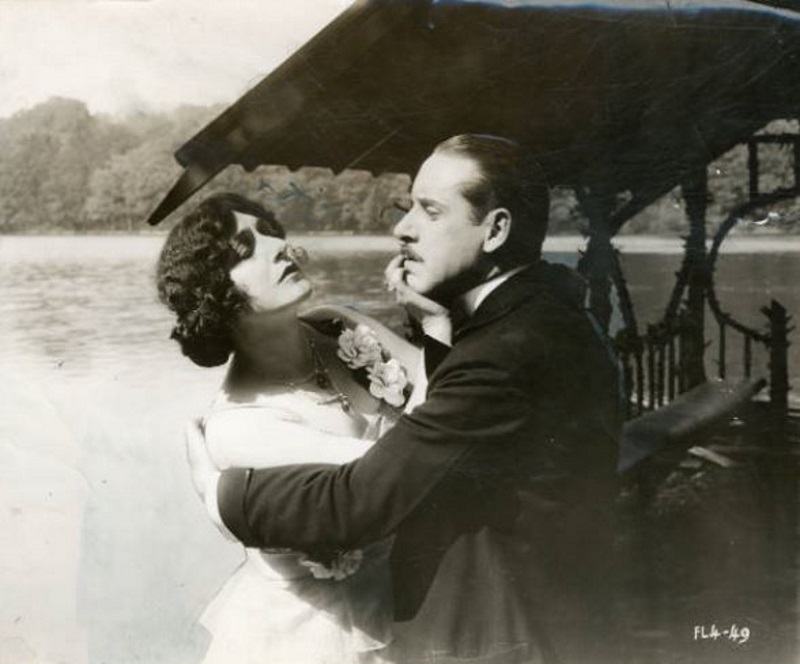
The transatlantic voyage, while marking a new chapter for Leonora, concurrently ignites a blossoming romance for her younger sister, Nina. Aboard the ship, Nina encounters young Dr. Paul Spencer, and a tender, uncomplicated love affair unfurls, a stark contrast to the dramatic tempest brewing around Leonora. Their innocent affection provides a poignant counterpoint to the darker currents of jealousy and manipulation that define Leonora's marriage. Upon their arrival in the States, Leonora embarks on a demanding concert tour, her artistry captivating American audiences as it had European ones. During her travels in the South, she receives an invitation to visit Phillip and his parents. Perhaps out of politeness, or a lingering sense of obligation from the past, she accepts. This visit, however, proves to be a dangerous rekindling of old flames. Phillip, undeterred by her marital status, again makes ardent advances, attempting to sway her from her vows. Leonora, demonstrating a remarkable strength of character and unwavering fidelity, steadfastly resists his illicit overtures. Her commitment to her marriage, despite its turbulent beginnings, remains firm. Phillip, a character whose moral compass seems easily swayed by convenience and fleeting desire, quickly shifts his attention. When Leonora proves unyielding, his fickle affections pivot to the impressionable Nina, a move that is both opportunistic and deeply unsettling. This betrayal, though not physical, is a profound breach of trust and a catalyst for further tragedy. Nerval, already burdened by his inherent jealousy, receives word of Leonora’s presence in his cousin’s home. This news, twisted by his suspicious mind, becomes the final straw, leading him to temporarily break with Leonora. The film masterfully builds this tension, showing how misunderstandings, coupled with pre-existing insecurities, can shatter even the most fragile of bonds, echoing the intricate human dynamics seen in a film like Persuasive Peggy where relationships are constantly tested by external pressures and internal frailties.
The escalating domestic drama takes a critical turn with the arrival of a letter for Nina from Paul, announcing his impending visit. This seemingly innocuous news becomes another unwitting pawn in the emotional chess game unfolding. Leonora, concerned for her sister's well-being and perhaps recognizing the dangerous game Phillip is playing, shows the letter to him, imploring him to discontinue his inappropriate attentions towards Nina. Her plea is a desperate attempt to protect her sister and restore a semblance of order, but it only serves to provoke Phillip further. That very night, the tension reaches a fever pitch. Phillip, emboldened by his desire and perhaps interpreting Leonora's confrontation as a challenge, attempts to force a kiss upon her. Terrified and cornered, Leonora instinctively reaches for a dagger, a desperate act of self-preservation against what she perceives as an assault. Phillip, with his superior strength, easily defends himself, disarming her and seizing her in his arms. In the ensuing struggle and terror, Leonora faints, her consciousness mercifully retreating from the traumatic encounter. When she eventually recovers, the scene she awakens to is one of chilling horror: Phillip lies dead. The immediate implication, the crushing weight of circumstantial evidence, points directly to her. This shocking climax, a sudden plunge into murder mystery, elevates the melodrama to a thrilling whodunit, a narrative device often employed in the silent era to captivate audiences and keep them on the edge of their seats, much like the intricate plots found in House of Cards or The Crime of the Camora.
The arrival of Paul, Nina's beloved doctor, initially brings hope, but quickly shifts to a grim determination as he finds himself embroiled in the investigation of Phillip's death. His medical expertise and keen observational skills prove invaluable. Paul meticulously examines the scene and the nature of the wound, quickly concluding that Leonora, given her physical attributes and the circumstances, could not have inflicted the fatal blow. His scientific approach cuts through the emotional chaos and circumstantial evidence, offering a beacon of truth in the darkness. This exoneration is a powerful moment, clearing Leonora’s name and reputation, but the mystery of Phillip’s true killer still looms large. The narrative takes another unexpected turn when a Creole girl, heartbroken and consumed by unrequited love for Phillip, steps forward to confess to the deed. Her confession, a tragic testament to the destructive power of obsessive affection, brings a final, heartbreaking resolution to the murder. It paints a picture of a love so fervent it could only end in despair and violence, a stark reminder of the hidden passions simmering beneath societal surfaces. This twist, while perhaps convenient in its timing, serves to highlight the film's thematic exploration of love's darker side, where devotion can morph into destruction. The justice, though painful, is served, and Leonora is finally free from the shadow of suspicion, allowing the path for her reunion with Nerval to slowly open. The film’s ability to weave such intricate plot developments, from operatic romance to murder mystery, is a testament to the storytelling prowess of writers Eve Unsell and Louis K. Anspacher, who crafted a narrative that kept audiences enthralled, demonstrating a flair for dramatic complexity that would appeal to fans of Innocent or even Eva in its exploration of female protagonists entangled in perilous situations.
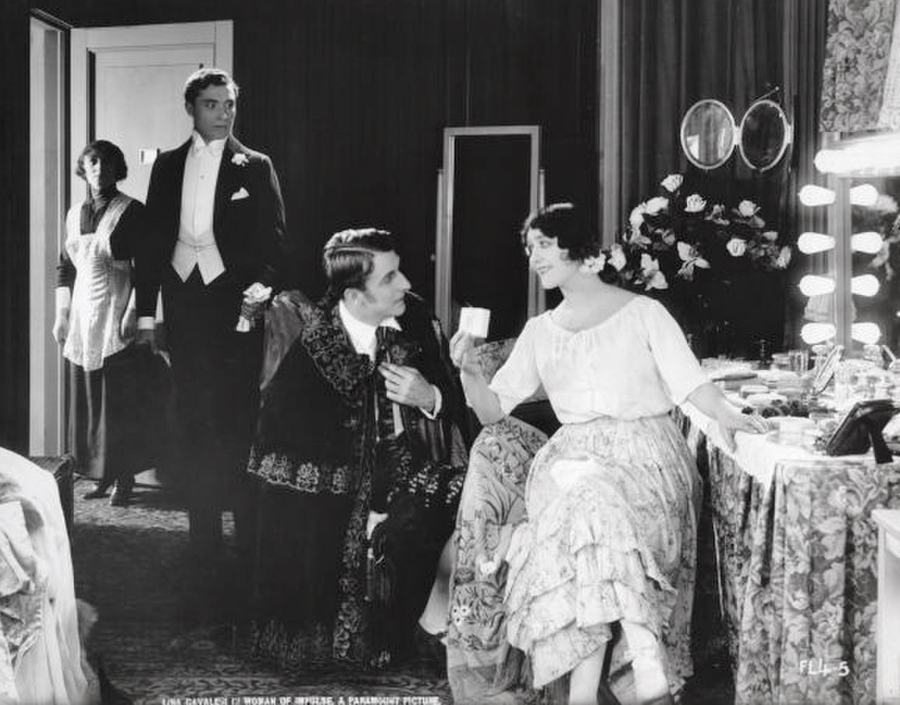
With the murder mystery resolved and Leonora's innocence unequivocally proven, the film navigates towards its final, hard-won resolution: the reunion of Leonora and Nerval. Their journey has been one of immense turbulence, a veritable gauntlet of jealousy, misunderstanding, and tragedy. Nerval's possessiveness, the catalyst for so much of their suffering, has been tempered by the harrowing events, perhaps forcing him to confront the destructive nature of his own emotions. Leonora, too, has endured trials that would break a lesser spirit, emerging with her fidelity intact and her resolve strengthened. Their reconciliation, therefore, is not a simple return to a romantic idyll, but a mature, perhaps chastened, coming together, built on a foundation forged in adversity. It suggests a future where understanding and forgiveness might finally prevail over the corrosive influence of suspicion. The title, A Woman of Impulse, upon reflection, becomes a fascinating lens through which to view Leonora's character. Was she truly a woman driven by impulse, or a woman reacting impulsively to extraordinary pressures and circumstances? Her actions, from refusing Nerval's initial proposal to her desperate lunge with the dagger, are often responses to external forces threatening her autonomy or safety. She is not a capricious figure, but rather a woman of immense talent and integrity navigating a treacherous social and emotional landscape. This nuanced portrayal elevates the film beyond simple melodrama, inviting viewers to ponder the complexities of human agency within a world of predetermined social roles and expectations. It's a character study that resonates with the depth found in other explorations of female strength and vulnerability, such as The Firefly of France or Cleopatra, where women often find themselves at the mercy of powerful men and societal constraints, yet strive to retain their identity.
The casting of Lina Cavalieri in the lead role was, undoubtedly, a stroke of genius. As a celebrated opera singer in real life, her portrayal of "La Vecci" lent an unparalleled authenticity and glamour to the character. Cavalieri's screen presence is captivating, her expressive eyes and graceful movements conveying a wealth of emotion without the need for dialogue. Her performance embodies the very essence of silent film acting, where physicality and facial expressions were paramount. Opposite her, Leslie Austin as Phillip delivers a suitably charming yet ultimately treacherous performance, perfectly capturing the character’s superficial allure and underlying moral weakness. Ida Waterman as Mrs. Stuart provides a grounding force of benevolent wisdom, while Gertrude Robinson as Nina offers a sweet innocence that contrasts sharply with Leonora’s dramatic life. Lucien Muratore, as Count Nerval, masterfully conveys the tortured complexity of a man consumed by jealousy, his silent expressions speaking volumes of his internal conflict. The ensemble, under the guidance of the era’s filmmaking conventions, creates a compelling dynamic. These actors, much like those in The Rival Actresses, understood the unique demands of silent cinema, where every gesture was amplified, and every emotion had to be writ large on the screen to connect with an audience reliant solely on visual cues and intertitles. The film’s strength lies not just in its dramatic plot but also in the nuanced, albeit grand, performances that bring these archetypal characters to life, making their struggles palpable even without spoken words.
While specific directorial credits for A Woman of Impulse are often obscured by the collective efforts of the silent film era, the cinematic techniques employed are characteristic of the period. The film likely utilized a combination of medium shots and close-ups to emphasize facial expressions, along with long shots to establish the opulent settings of Paris and the American South. Intertitles would have provided crucial plot exposition and dialogue, guiding the audience through the intricate narrative turns. The pacing, typical of early feature films, would have allowed for the slow build-up of tension and the dramatic unfolding of events, giving ample time for the audience to connect with the characters' emotional journeys. The visual aesthetic would have been carefully crafted to enhance the melodrama, with lighting and set design playing significant roles in establishing mood and atmosphere. The film, in its ambitious scope—traversing continents and exploring themes of love, betrayal, jealousy, and redemption—stands as a proud example of the narrative sophistication achievable in silent cinema. Its enduring appeal lies in its universal themes, presented through a captivating story and compelling performances. For those with an appreciation for the foundational years of filmmaking, A Woman of Impulse offers a rich and rewarding experience, a window into a bygone era of dramatic storytelling where every flicker of light on the screen held the power to enthrall. It reminds us that the fundamental elements of compelling narrative—complex characters, high stakes, and emotional resonance—are timeless, transcending the technological limitations of their age and continuing to speak to audiences across generations. It’s a compelling argument for the preservation and study of these early works, demonstrating that even without sound, these films possessed a profound voice, capable of articulating the deepest human experiences, much like other ambitious projects of the era such as Manden med de ni Fingre IV or The Social Highwayman, which pushed the boundaries of what cinematic narrative could achieve.
IMDb —
1934
Community
Log in to comment.