Summary
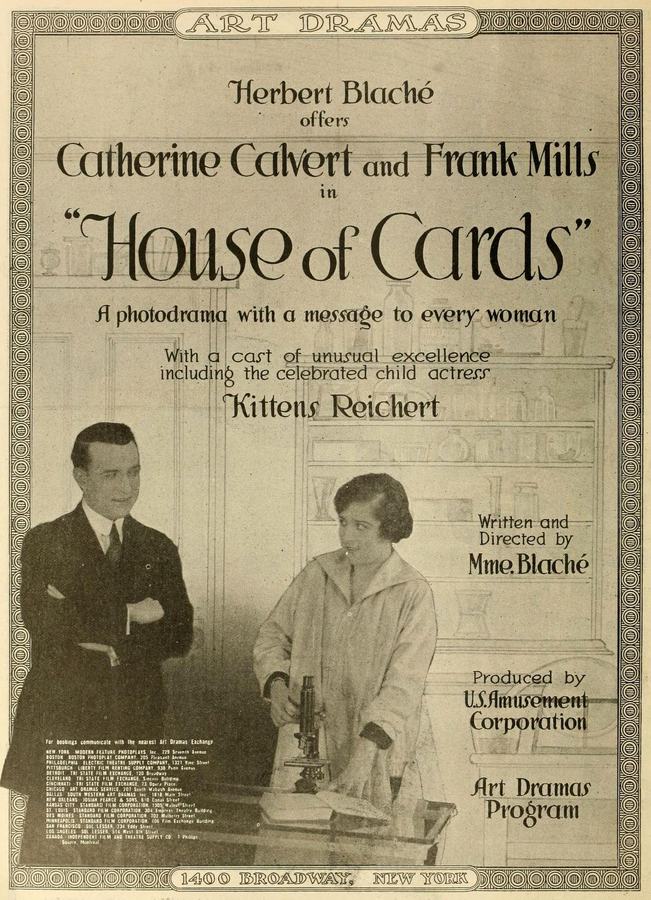
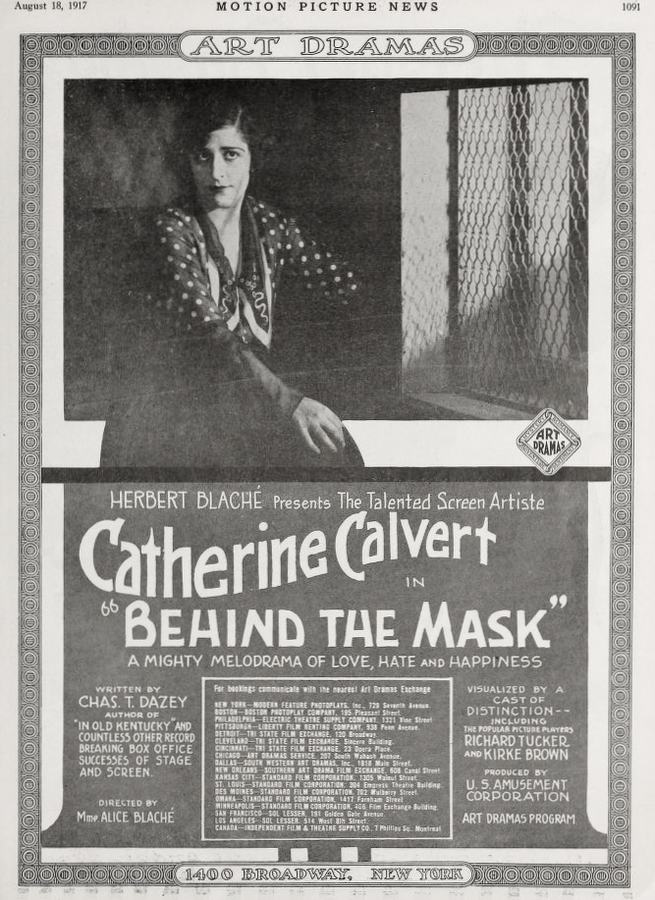
Edwardian sunbeams slice through lace curtains, illuminating a parlor where porcelain teacups tremble in synchrony with the Manning marriage. Alice Guy’s 1917 chamber poem, House of Cards, stacks gilded propriety so high that every cough of dissidence sends the entire edifice wobbling. Howard Small’s Manning, a man carved from accountant ledgers, believes love is a reconcilable column in the household budget; opposite him, Yolande Duquette’s restless wife keeps score in trembling eyelashes and intercepted letters. Between them, a taciturn child (Kittens Reichert) drags a wooden duck across parquet, its clatter the film’s metronome. Outside, Catherine Calvert’s velvet-gloved neighbor whispers market tips and adulterous hypotheticals over garden hedges, while Frank Mills’s veteran brother stalks the margins, smelling of cordite and borrowed time. Guy choreographs dinner-table power plays with surgical pans: a lifted soup spoon becomes a gauntlet, the crumble of a bread roll echoes like distant artillery. When Manning’s promotion collapses in a stock hiccup, the couple’s social scaffolding buckles; teacups shatter, corsets unhook ideologically, and the child’s innocent card tower—built from calling cards and tram tickets—crashes in slow, symbolic surrender. Yet the film refuses melodramatic apocalypse; instead it lingers on morning-after silences, bruised wallpaper, the way a marital wound can throb beneath white gloves at church. The final tableau—wife framed in doorway light, suitcase half-packed but unmoved—leaves the spectator oscillating between emancipation and mere hesitation, a perfect equilibrium as precarious as the title’s metaphorical architecture.
A family drama centered on the domestic life of a couple named Manning. The story explores the stability of their marriage and the challenges they face within their social environment during the early twentieth century.
Review Excerpt
"
The first time I saw House of Cards I expected polite Edwardiana, all doilies and moralizing. Instead Alice Guy detonates a quarter-stick of emotional dynamite inside a mahogany dining room and lets the splinters settle on everyone’s Sunday best.
Howard Small plays Manning like a man who has mistaken the company ledger for his soul. Every affection is itemized, every kiss depreciated over a five-year schedule. Opposite him, Yolande Duquette gives us a wife learning that the most subversive thi..."