DbcultAccessing Vault...
Cult Review
Senior Film Conservator
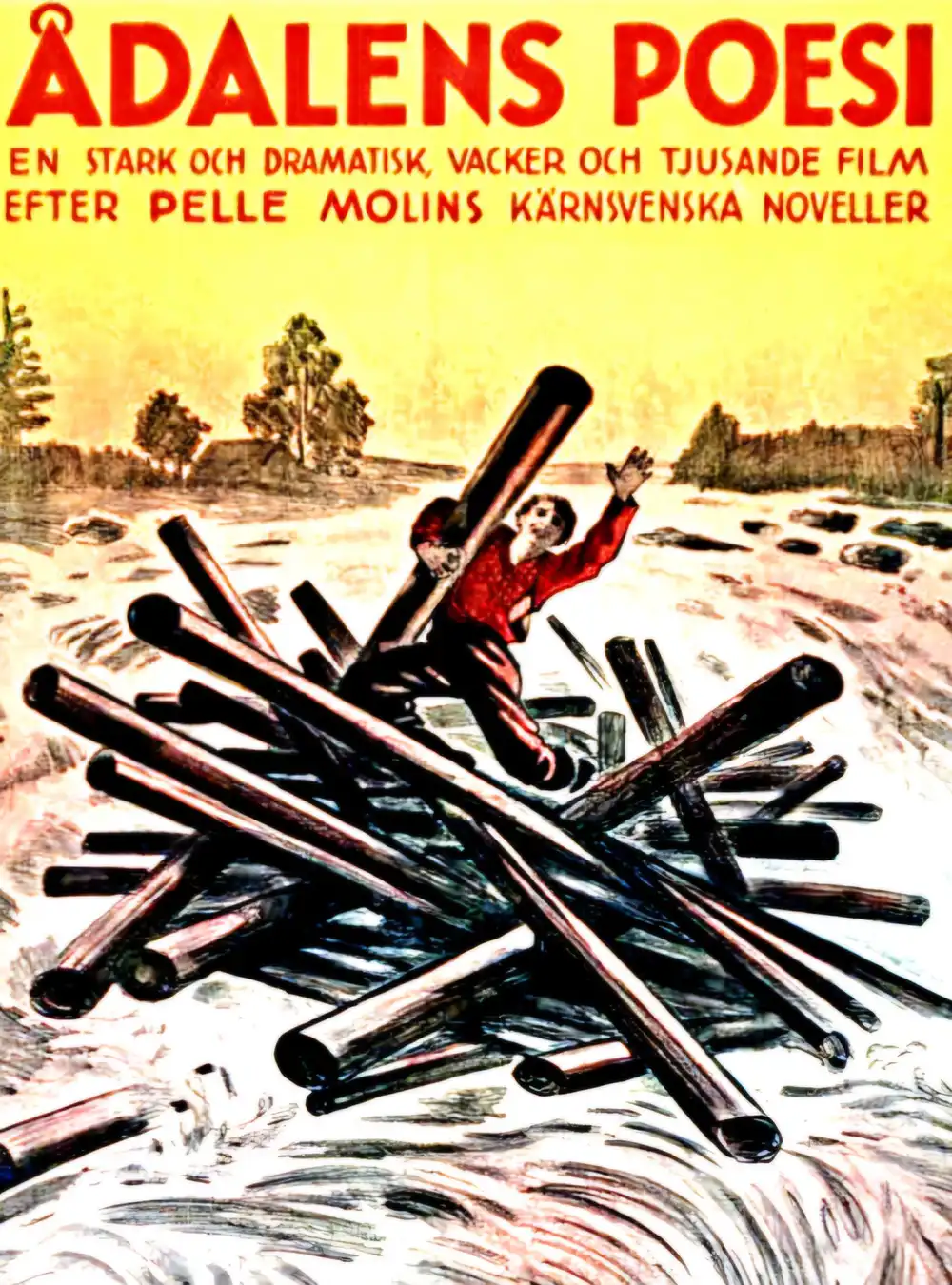
Look, if you're not already into really old Swedish films, Ådalens poesi might be a tough sell. It’s a slow, quiet summer romance from way back, the kind where nature feels like another character. If you’ve got patience and a soft spot for bygone eras, there’s some gentle beauty here. But if you need things to move quickly or prefer a modern twist, you’ll probably be checking your watch every few minutes. ⏱️
The setup is pretty simple: Greger Anner (Theodor Berthels), a student from Uppsala, heads to Ådalen for, get this, geological studies. Honestly, that whole 'geology' thing feels a bit like an excuse to get him out to the countryside, doesn't it? Like, who goes to a beautiful valley just for rocks?
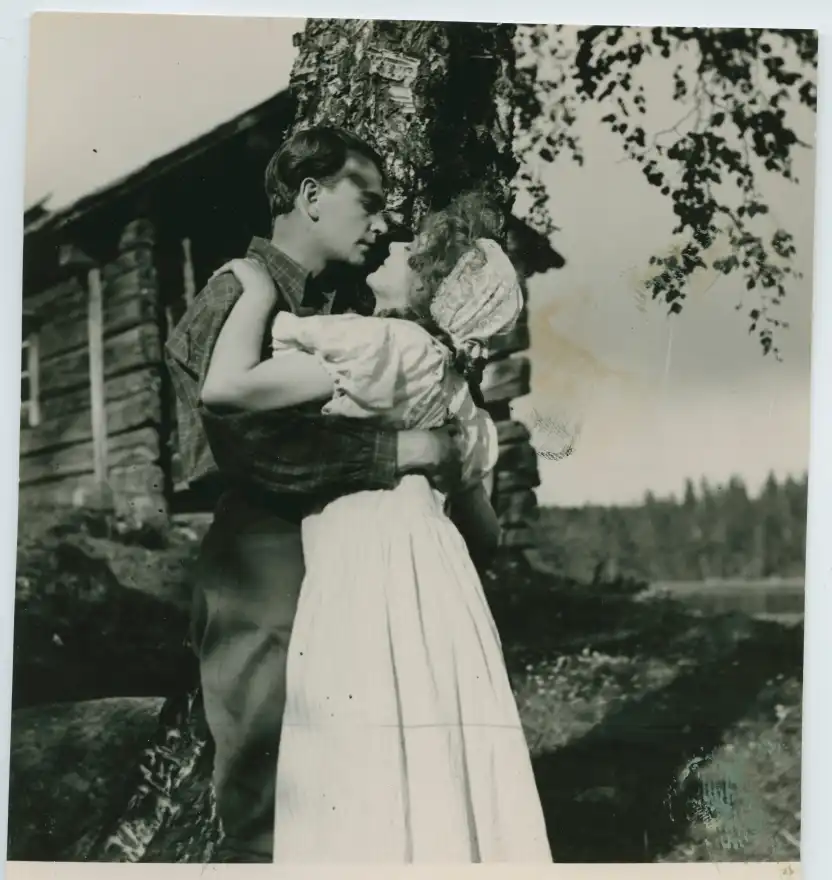
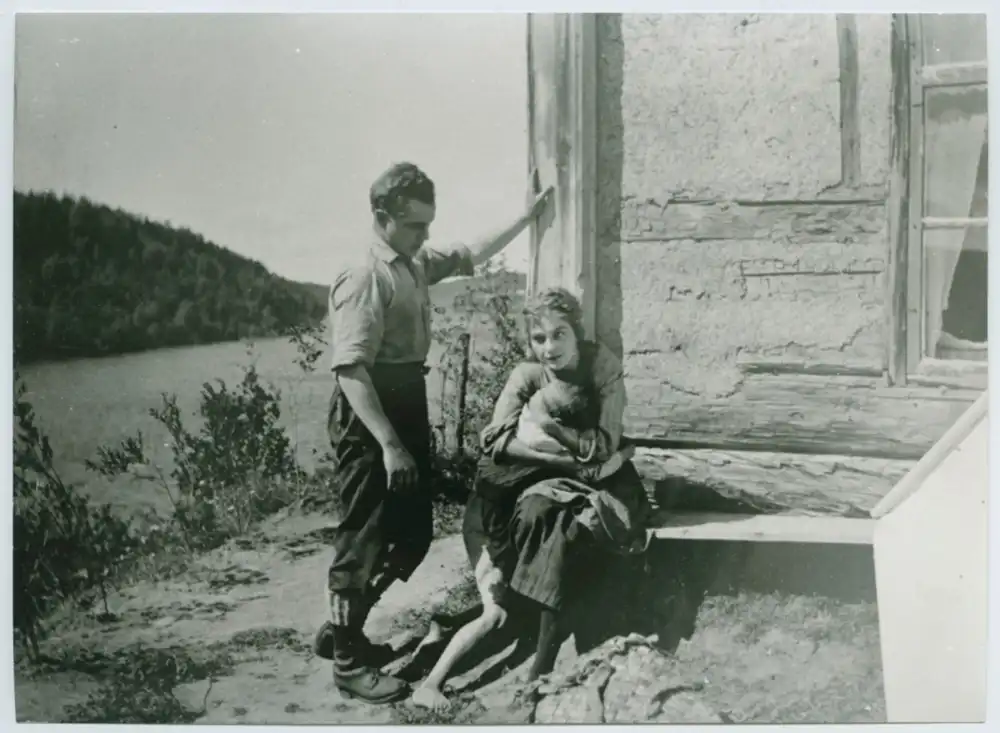
Anyway, he quickly runs into Sago-Gunnel (Solveig Hedengran), the local chalet-girl. She’s described as imaginative, and you really feel that from her performance. There’s a brightness about her, a kind of untamed spirit that cuts through the quiet atmosphere.
The film then settles into showing us their summer of love. And it really *is* a summer of love, full of long gazes and walks by the water. There’s this one shot of them sitting by a calm lake, barely talking, but the silence says so much. It just lingers.
Solveig Hedengran as Sago-Gunnel really carries a lot of the emotional weight. Her expressions, even in those older film styles, are so genuine. You can almost feel her character's dreams just bubbling under the surface.
Theodor Berthels as Greger, he’s a bit more subdued. He plays the thoughtful student well, but sometimes you wish he’d match Gunnel’s spark just a little more. Their chemistry is there, but it’s a very gentle kind of chemistry, not a fiery one.
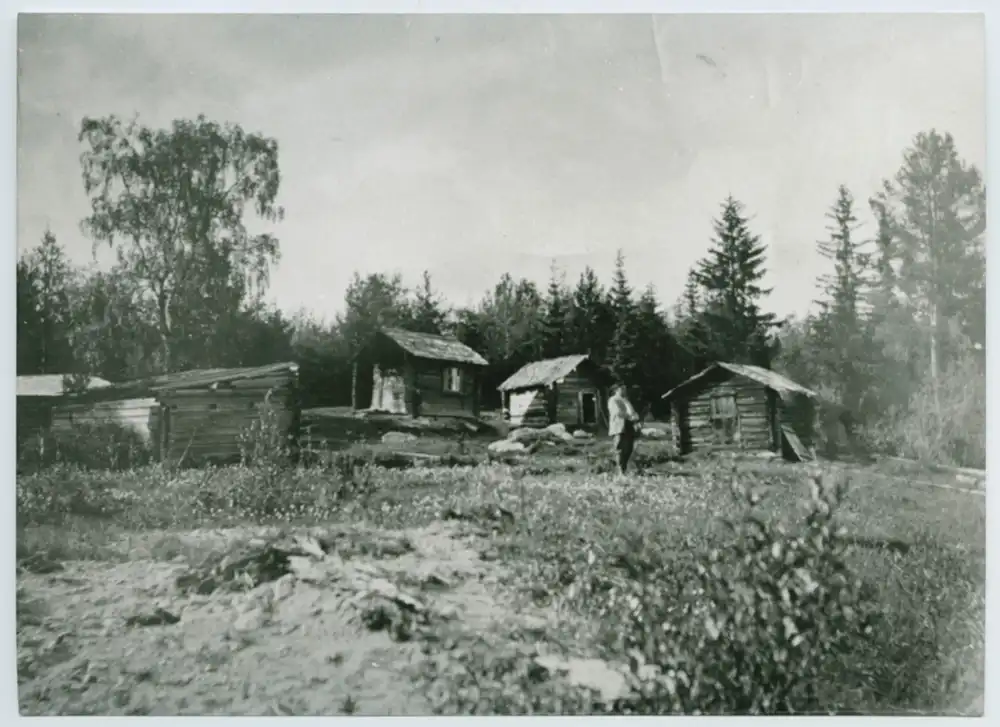
What really sticks with you is the landscape. Ådalen itself is almost a character. The camera just loves to take its time with the rivers, the forests, the wide-open skies. It’s all very pastoral and almost makes you want to pack a bag and go there right now. 🏞️
There’s a scene where they’re picking wildflowers, and it goes on a bit. Not in a bad way, just in a way that makes you realize how different the pacing used to be. It’s like the movie itself is taking a deep breath.
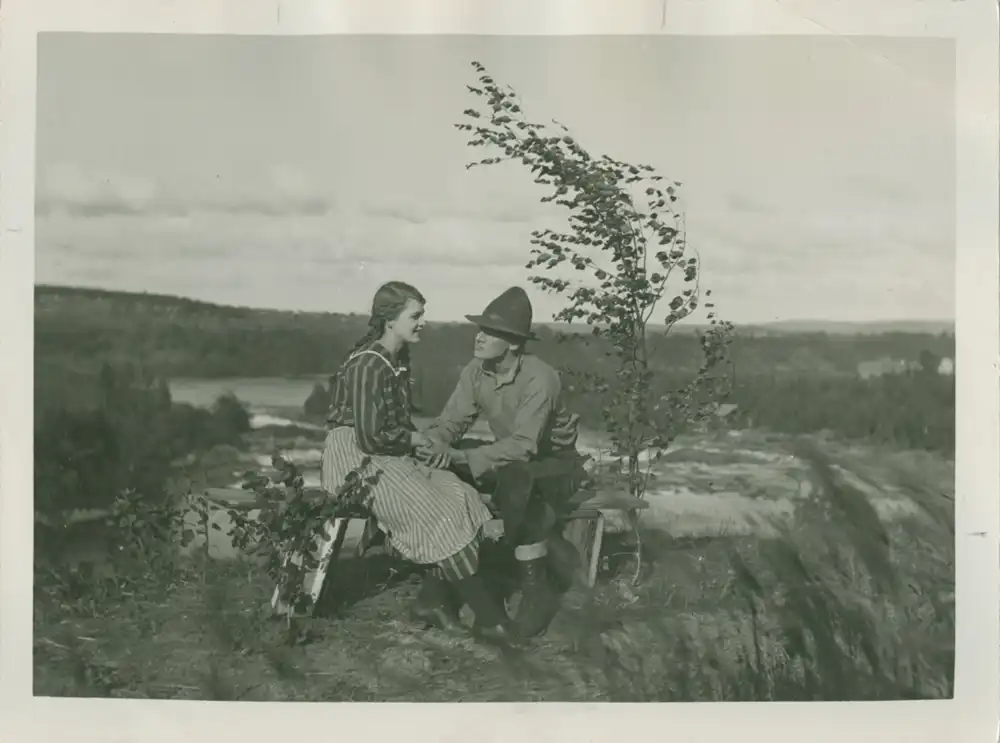
The story, such as it is, really just charts the rise and eventual, inevitable bittersweetness of their connection. It doesn't try to be overly dramatic or pull huge twists. It’s just two people, finding each other, for a moment.
One small thing I noticed: the way the light catches the water in some of the morning scenes. It’s just beautiful, even through the older film stock. You can tell they really paid attention to those details.
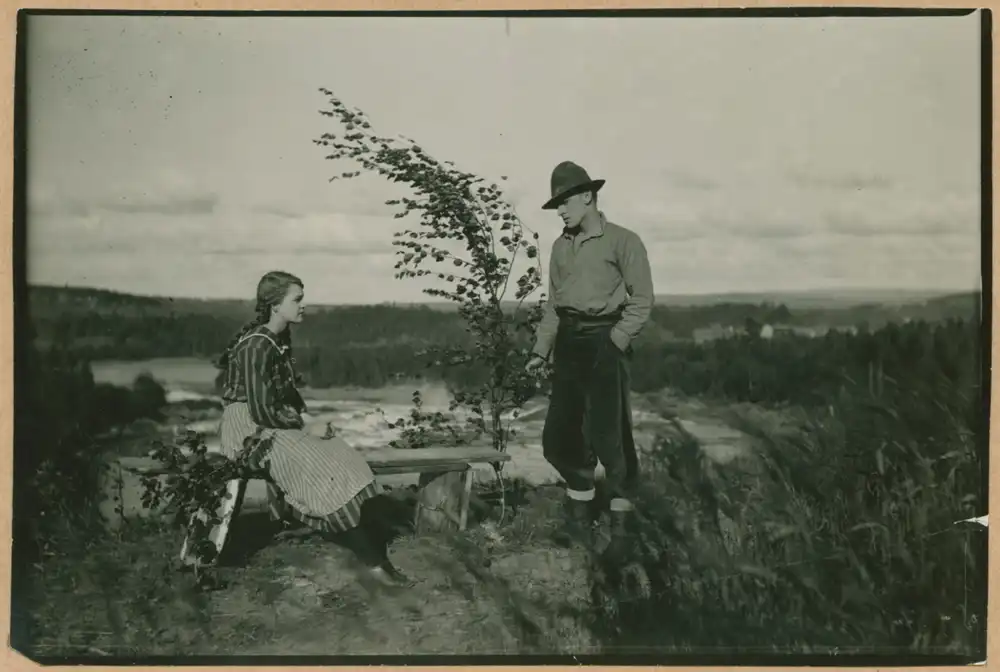
The film sometimes feels like a series of postcards, each one capturing a mood or a feeling rather than pushing a tight plot. It’s less about 'what happens next?' and more about 'how does this moment feel?'.
You can see glimpses of other actors, like Hilda Borgström, who was a big name. She doesn't have a huge part, but her presence, even in a small role, adds a certain weight to the community around them.
For those who appreciate classic Swedish cinema, this is a definite watch. It’s a quiet piece, yes, but it’s got a heart. It reminds you that sometimes the simplest stories are the ones that stick with you, long after the credits roll.
It’s not trying to be a grand epic. It's just a poem of a summer, and sometimes, that’s exactly what you need. 😌

IMDb —
1924
Community
Log in to comment.