DbcultAccessing Vault...
Cult Review
Senior Film Conservator
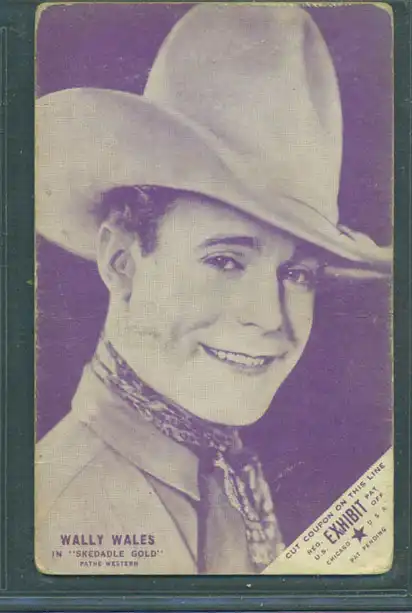
Skedaddle Gold is a functional piece of furniture. It exists to fill fifty minutes of screen time and then vanish from your memory before the lights in the theater even come up. If you are looking for a reason to watch it today, you will find very few beyond a completionist’s urge to see early Richard Thorpe. It is not a lost treasure; it is a standard-issue product from the silent era's assembly line.
No, unless you are a dedicated historian of the B-Western. For the casual viewer, the film offers nothing that hasn't been done better in hundreds of other silent films. It is for the viewer who enjoys watching the raw mechanics of 1920s stunt work without the distraction of a complex plot. Most people will find it repetitive and dramatically hollow.
1) This film works because Richard Thorpe understands that a Western should move fast and avoid unnecessary dialogue.
2) This film fails because the characters are cardboard cutouts with no internal lives or unique motivations.
3) You should watch it if you want to see the primitive origins of the Hollywood action machine.
Richard Thorpe went on to become one of the most prolific directors in MGM history, known for his ability to shoot quickly and stay under budget. You can see that mentality forming here. There is no fat on this movie, but there is no meat either. The camera stays largely static, capturing the action in wide shots that feel more like a recorded stage play than a movie. Unlike the more experimental work found in films like Quicksands, Thorpe’s work here is strictly business.
The pacing is frantic, but it lacks tension. When the gold is stolen, the stakes feel theoretical. We don't care about the father's loss because the film doesn't spend a single frame establishing why we should. It simply presents a problem and then spends the next forty minutes solving it with horses. This is cinema as a logistics exercise.
Hal Taliaferro, billed here as Wally Wales, is the quintessential silent cowboy. He has a sturdy jaw and looks comfortable in a saddle, which was the only requirement for the job in 1927. His performance is entirely physical. There are no moments of reflection or doubt. He is a hero because the script says he is, not because he demonstrates any particular moral depth.
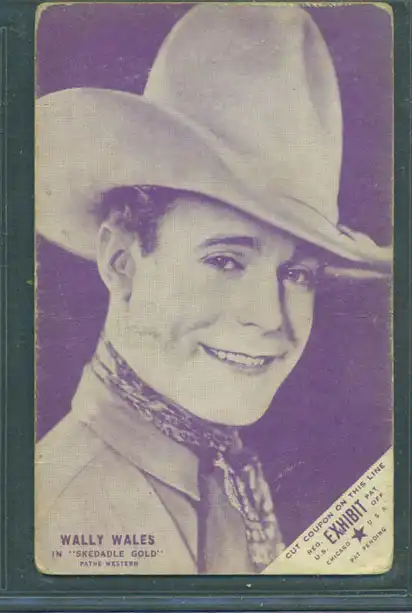
Betty Baker is relegated to the role of the distressed daughter. Her performance is stiff, even by the standards of the time. She exists to be a catalyst for Taliaferro’s movement. Compared to the more expressive acting found in contemporary dramas like Les deux gamines, the performances in Skedaddle Gold feel primitive and unrefined. The actors are just shapes moving across a landscape.
By 1927, the silent film was reaching its peak of sophistication in Europe and at the major American studios. Skedaddle Gold ignores all of that. It looks like it could have been made in 1919. The editing is basic, jumping from a wide shot of a chase to a medium shot of a fistfight with no regard for rhythm or impact. It lacks the atmospheric ambition of something like The Tents of Allah.
The landscape photography is the only saving grace. The rugged terrain provides a natural texture that the production couldn't afford to build on a set. But even this is handled with a lack of inspiration. The mountains are just there; they aren't used to create a sense of scale or isolation. They are just the backdrop for the next horse stunt.
Pros:
- Short runtime ensures it doesn't overstay its welcome.
- Authentic location shooting provides some visual interest.
- Thorpe’s direction is clear and easy to follow.
Cons:
- The plot is entirely predictable from the first five minutes.
- The acting is wooden and lacks any nuance.
- The film feels like a carbon copy of a dozen other Westerns from the same year.
Skedaddle Gold is a minor footnote in the history of the Western. It is a reminder that for every silent era classic, there were ten movies like this—functional, forgettable, and purely commercial. It doesn't deserve a place on your must-watch list, but it serves as a decent example of how the industry operated before the talkies changed the rules. If you’ve already seen the major works of the era, like La La Lucille, you might find this an interesting, if dull, comparison point.
IMDb 4.6
1924
Community
Log in to comment.