DbcultAccessing Vault...
Cult Review
Senior Film Conservator
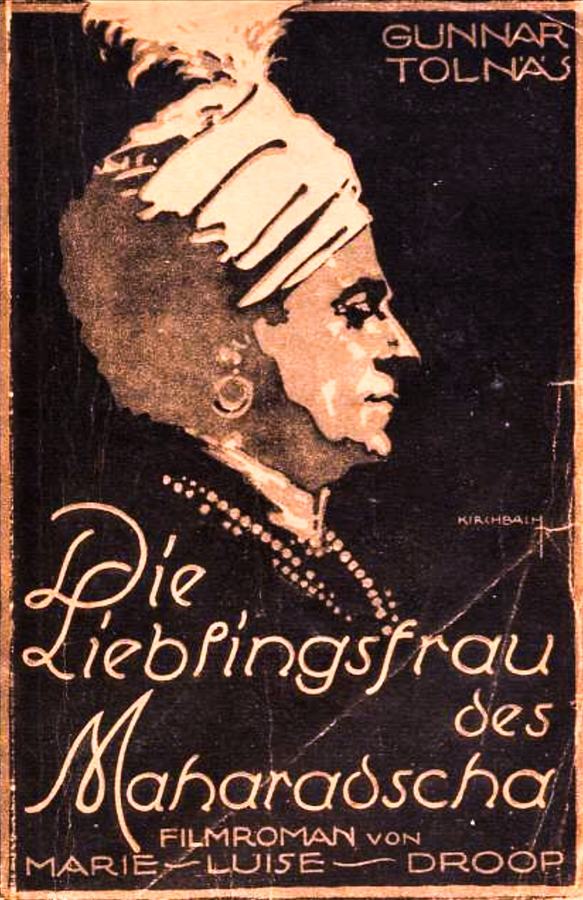
Stepping into the world of 1921's Die Lieblingsfrau des Maharadscha is akin to opening a forgotten jewel box, revealing a shimmering, intricate narrative from the golden age of silent cinema. This film, a collaborative vision from writers Marie Luise Droop, Svend Gade, and Adolf Droop, transcends its era's typical melodramatic fare by infusing an exotic backdrop with a surprisingly nuanced exploration of power, desire, and cultural collision. It's a testament to the period's boundless creativity, where visual storytelling reached an apex of expressive artistry, pulling audiences into narratives far removed from their daily realities.
At its core, the film unravels a dramatic saga set within the lavish confines of an Indian maharajah's court. The arrival of Asta, portrayed with captivating grace by Erna Morena, a European dancer whose spirit is as untamed as her beauty, disrupts the rigid decorum and ancient traditions of the palace. Her magnetic presence quickly ensnares the Maharajah (Gunnar Tolnæs), a ruler accustomed to absolute command, yet utterly disarmed by Asta's independent charm. Their burgeoning romance, however, is not merely a tale of star-crossed lovers; it's a dangerous liaison, a spark in a powder keg of courtly intrigue that threatens to ignite a full-blown conflagration. The Maharajah's infatuation, a radical departure from established custom, is perceived as a profound insult by his chief vizier, Ramani, brought to life with chilling malevolence by Fritz Kortner. Kortner, a titan of German Expressionist cinema, imbues Ramani with a serpentine cunning, a character whose every subtle gesture telegraphs a chilling ambition. His disdain for Asta, fueled by a desire to maintain his own power and perhaps even usurp the throne, propels much of the narrative's escalating tension. Ramani, aided by the equally insidious Bhamini (Aud Egede-Nissen), meticulously weaves a web of deceit, employing every conceivable stratagem—from whispered slanders to outright assassination attempts—to eradicate the perceived foreign threat and restore what he believes is the 'natural' order of the court.
The casting here is nothing short of masterful, transforming what could have been a simplistic melodrama into a compelling study of human nature. Erna Morena, a celebrated actress of her time, delivers a performance of remarkable subtlety and strength. Her Asta is not a mere damsel in distress; she is a woman of agency, whose defiance and emotional resilience shine through the often-stylized gestures of silent film acting. Morena communicates a profound inner world, making Asta's vulnerability and determination equally palpable. Her scenes with Gunnar Tolnæs, who portrays the Maharajah with a regal bearing tempered by genuine, if conflicted, affection, form the emotional core of the film. Tolnæs manages to convey the weight of his crown alongside the turmoil of his heart, creating a sympathetic yet powerful figure.
However, it is Fritz Kortner's Ramani who truly dominates the shadows of this narrative. Kortner possessed an unparalleled ability to project menace and intellect without uttering a single word. His expressive face, his piercing gaze, and his deliberate movements craft a villain of formidable presence. One might draw parallels to the psychological intensity he brought to later roles, or even to the brooding antagonists found in contemporary German cinema like The Student of Prague, where inner turmoil and external malevolence intertwine. Kortner's Ramani is not a cartoonish baddie but a calculating force, making his machinations feel genuinely perilous. Supporting players like Albert Paulig, potentially as a benevolent elder or advisor, and Leopold von Ledebur, perhaps a conflicted guard whose loyalty is tested, add layers to the court's dynamics. Aud Egede-Nissen, as the conniving Bhamini, provides an excellent foil to Morena, embodying the jealous rival with a palpable sense of entitlement and malice.
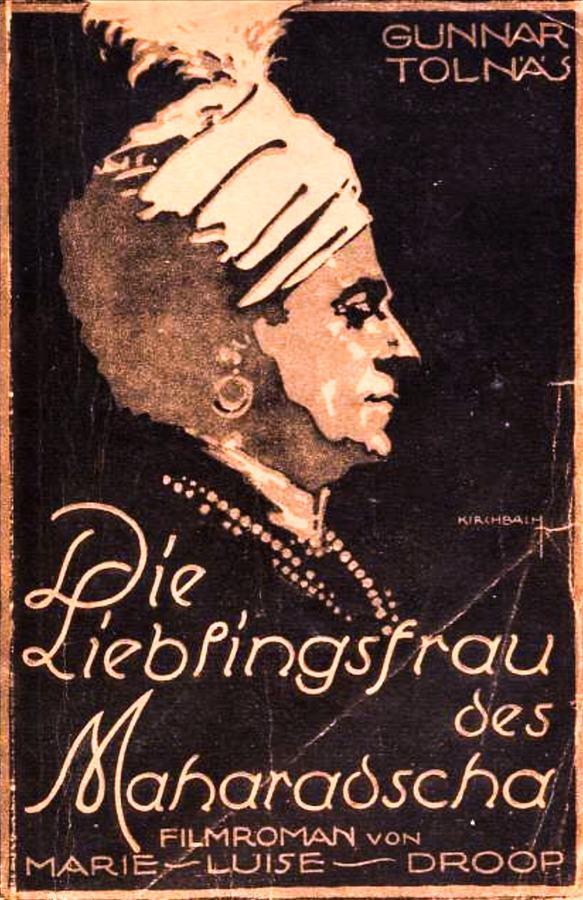
The directorial triumvirate of Marie Luise Droop, Svend Gade, and Adolf Droop orchestrates a visual spectacle that remains impressive even today. Their collective vision imbues the film with an exotic grandeur, meticulously crafting an environment that feels both authentic and larger than life. The sets are not merely backdrops; they are characters in themselves, opulent and labyrinthine, reflecting the complex power structures and hidden dangers of the Maharajah's court. The use of light and shadow, a hallmark of German silent cinema, is particularly effective here, creating an atmosphere of suspense and intrigue. Shadows lengthen ominously in palace corridors, hinting at unseen dangers, while shafts of light illuminate Asta's purity against the dark machinations surrounding her. This mastery of visual storytelling is what elevates films of this era, allowing them to communicate profound emotions and intricate plots without spoken dialogue.
The cinematography captures the intricate details of the lavish costumes and sets, transporting the viewer directly into this fantastical realm. Close-ups are employed judiciously to emphasize emotional states, while wider shots showcase the sweeping scale of the palace and its inhabitants. The pacing, though deliberate by modern standards, allows the audience to absorb the visual information and the unfolding drama, building tension with a slow, inexorable dread. It's a directorial approach that understands the power of the image, relying on expressive body language, facial contortions, and symbolic mise-en-scène to convey narrative depth. In many ways, it shares a spirit of grand adventure and meticulously constructed worlds with films like The Extraordinary Adventures of Saturnino Farandola, albeit with a more dramatic and less fantastical core.
Beyond its thrilling plot, Die Lieblingsfrau des Maharadscha offers a fascinating lens through which to examine the early 20th century's fascination with 'the Orient.' While undoubtedly steeped in the exoticism prevalent in European art and literature of the period, the film attempts, however imperfectly by today's standards, to explore the friction between disparate cultures. Asta's European sensibilities clash with the rigid traditions of the Indian court, creating both romantic tension and dramatic conflict. This theme of the 'outsider' navigating a foreign, often dangerous, world is a recurring motif in cinema, seen in various forms from swashbuckling adventures to psychological dramas. The film's depiction of India, while visually stunning, naturally reflects the romanticized and often stereotypical views of the time. Yet, within these constraints, it manages to craft a compelling human drama, focusing on universal emotions of love, jealousy, and the struggle for self-preservation.
The concept of a powerful ruler captivated by a foreign beauty was a popular trope, one that allowed for both escapist fantasy and explorations of societal boundaries. The film uses this framework to delve into the corruption that can fester within absolute power and the resilience of individual spirit against overwhelming odds. The writers—Marie Luise Droop, Svend Gade, and Adolf Droop—demonstrate a keen understanding of dramatic pacing, building suspense through intricate plot points and character interactions. Their script, conveyed through intertitles and the actors' powerful expressions, is a masterclass in silent storytelling, ensuring that the audience remains deeply invested in Asta's precarious fate.
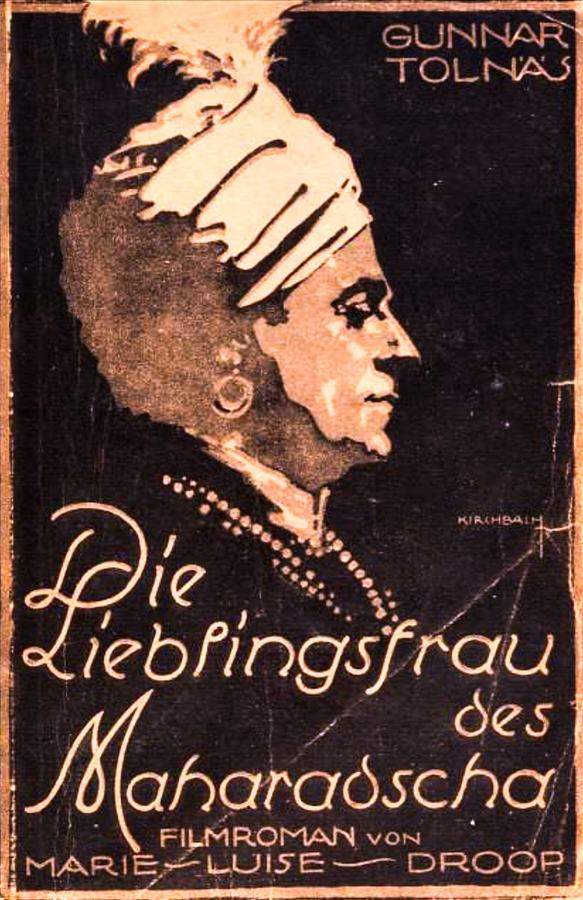
To appreciate Die Lieblingsfrau des Maharadscha fully, one must view it within its historical context, not just as a relic, but as a vibrant piece of cinematic art that pushed boundaries in its time. It stands as a testament to the sophistication of silent film production, showcasing how narratives of grand scale and emotional depth could be conveyed without the aid of spoken dialogue. The film's influence, while perhaps not as widely recognized as some German Expressionist masterpieces, lies in its contribution to the genre of exotic melodrama, paving the way for countless tales of adventure and romance in far-flung lands. It reminds us of an era when cinema was a truly universal language, relying purely on visual cues and the power of performance to captivate global audiences.
The meticulous craftsmanship, from the elaborate production design to the nuanced performances, ensures that this film remains more than just a historical curiosity. It is a compelling drama, a visual feast, and a significant example of German cinematic output from the early 1920s. While comparisons could be drawn to films exploring similar themes of power and forbidden love, such as A hercegnö pongyolája or even The Vagabond Prince in their respective cultural contexts, Die Lieblingsfrau des Maharadscha carves out its own distinct niche through its unique blend of German artistic sensibilities and an Indian-inspired setting. Its enduring power lies in its ability to transport, to thrill, and to remind us of the timeless allure of a well-told story, regardless of the technological limitations of its creation. It is a film that rewards careful viewing, revealing new layers with each revisit, a true cinematic treasure that deserves its place in the pantheon of silent era classics.
The intricate dance between good and evil, loyalty and betrayal, is choreographed with remarkable precision, culminating in a dramatic resolution that satisfies the narrative's intricate build-up. The film doesn't shy away from the darker aspects of human nature, yet it ultimately champions resilience and the enduring power of love against formidable adversaries. It's a poignant reminder that even in a world devoid of audible dialogue, the silent screen could speak volumes, conveying complex emotions and grand narratives with an eloquence that often feels lost in the noise of modern cinema. This is a film that beckons the viewer to engage actively, to interpret the subtle glances and grand gestures, thereby becoming an integral part of the storytelling experience. Its narrative depth and visual richness ensure its continued relevance for film enthusiasts and historians alike, a vibrant echo from a bygone era that still resonates with powerful themes and breathtaking artistry.
The creative team behind Die Lieblingsfrau des Maharadscha understood implicitly how to craft a spectacle that would captivate. The attention to detail in the costumes alone, from Morena’s elegant European attire to the lavish silks and jewels of the court, speaks volumes about the production’s commitment to immersion. Each frame is composed with an artist’s eye, balancing crowded palace scenes with intimate moments of despair or burgeoning affection. The film’s narrative arc, while rooted in familiar tropes of romance and villainy, is executed with a sophistication that elevates it. The pacing, though often slower than contemporary films, allows for a deeper appreciation of the visual storytelling and the emotional nuances of each character. It’s a masterclass in how to build tension and release it, using the very silence of the medium to amplify dramatic weight.
Moreover, the film serves as an important historical document, reflecting the broader societal interests and anxieties of post-World War I Germany. The fascination with exotic locales offered a form of escapism, a journey to a world of fantastical danger and romance far removed from the economic and political turmoil at home. Yet, beneath the veneer of exotic adventure, there are universal themes at play: the corrupting influence of unchecked power, the courage required to defy societal norms, and the enduring human desire for connection and freedom. These are themes that resonate across cultures and centuries, making the film’s narrative enduringly relevant. It’s a testament to the power of cinema to transcend its immediate context and speak to the fundamental aspects of the human condition.
In conclusion, or rather, in final reflection, Die Lieblingsfrau des Maharadscha is far more than a mere curiosity from the silent era. It is a vibrant, meticulously crafted piece of cinematic art that showcases the remarkable talents of its cast and crew. Its visual splendor, combined with a gripping narrative and powerful performances, solidifies its place as a significant contribution to early German cinema and a compelling watch for anyone interested in the rich history of film. It invites us to pause, to observe, and to immerse ourselves in a world where gestures, expressions, and the interplay of light and shadow tell a story with profound emotional resonance, proving that true artistry needs no spoken word to leave an indelible mark.

IMDb —
1926
Community
Log in to comment.