DbcultAccessing Vault...
Cult Review
Senior Film Conservator
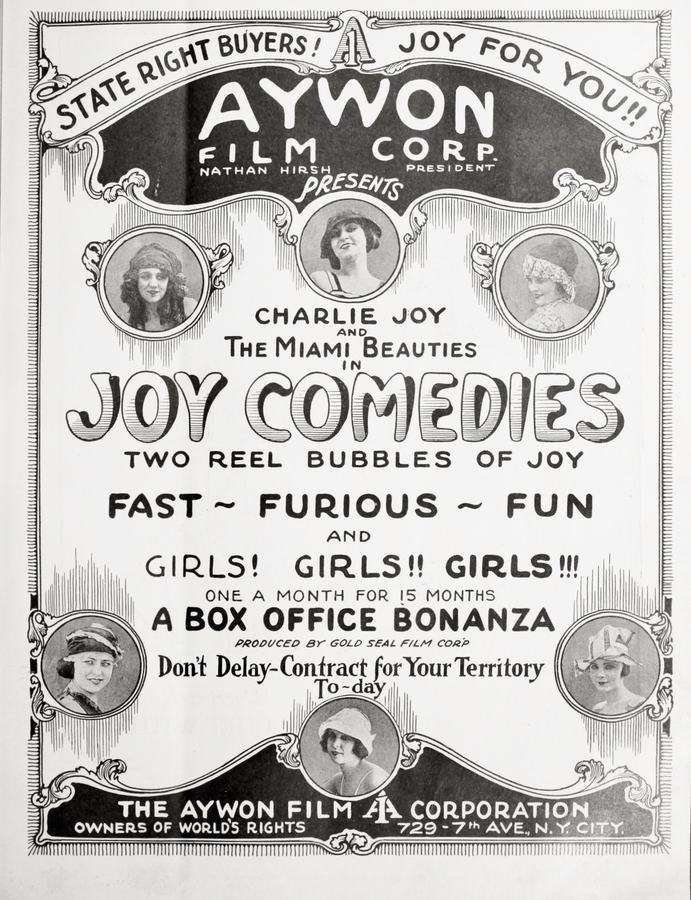
Charlie Joy’s face—half cherub, half gas-station carnation—opens Adam and Eve like a flick-knife held to the throat of biblical respectability. One frame you’re chuckling at the absurdity of a motel Bible wired with LED fairy-lights, the next you’re swallowing the metallic realization that scripture is just fan-fiction we agreed to call history. Joy, operating under the radar since the micro-budget gem Right Off the Bat, here mutates into a shapeshifting everyman whose only constant is the suitcase cuffing his wrist like a titanium marriage. Across from him, an actress credited only as “L” slinks into the serpent coat so organically you suspect she was born inside it; her Eve is less femme fatale than memory’s unpaid intern, fetching and carrying trauma with the enthusiasm of someone who suspects overtime is eternal.
Director-scribe John Franklin Meyer, whose previous experiment The Mystery of St. Martin’s Bridge played like a cathedral organ submerged in cough syrup, here abandons the safety of cloisters for the vertigo of urban limbo. The camera, piloted by cinematographer Blaine G. Rovik, behaves like a TikTok addict on ayahuasca: whip-pans slam into tableaux vivants, shutter angles warp neon into stained-glass, and focus drifts so willfully you feel your own cornea rebel. The resulting texture is graffiti sprayed on celluloid confessional booths—every frame tagged with the anxiety that someone, somewhere, is already remixing your ruin.
Forget harps; composer Yael Rimon threads the score with the death-rattles of dial-up modems, the wet crunch of apples under combat boots, and the distant laughter of a child who may never be born. These fragments coalesce into a fugue that swells each time the lovers reach for intimacy, then abruptly cuts to dead-air silence, as if the film itself is gaslighting you. Compare this to the saccharine accordion that cushions Lili, and you’ll appreciate how Meyer weaponizes absence; the quieter the screen, the louder your pulse accuses you of complicity.
Dialogue arrives in pull-quote bursts, half fortune-cookie, half ransom note. “Sin is just nostalgia in a leather jacket,” Eve whispers while spray-painting a halo above a homeless encampment. Adam counters with, “I never stole the apple; I merely upgraded its firmware.” Such aphorisms could grate in lesser hands, but Meyer balances them with stretches of glottal silence where the actors communicate via pupil dilation and the choreography of cigarette ash. The screenplay’s central gimmick—every scene is numbered in reverse, counting down from 89 to 0—sounds undergraduate on paper, yet onscreen it births a Möbius dread: you arrive at the prologue emotionally wrecked, already sensing that Genesis was merely the epilogue of a far older catastrophe.
Where The Eternal Mother sanctifies maternal sacrifice under amber dusk, Adam and Eve desecrates the very notion of lineage; children here are optional DLC nobody can afford. Periwinkle flirted with floral eroticism but retreated into coyness—Meyer charges headlong into the pistil, pollen-bombing the viewer with hyper-saturated tableaux of fruit rot and motel mattress stains that look suspiciously like shrouded cherubs.
And while The Halfbreed staged identity as a poker game played with stacked decks, Meyer opts for solitaire played inside a house of mirrors—every card reflects a face you swear is yours yet refuses to stay still long enough for ownership.
Charlie Joy’s physical vocabulary mutates scene-to-scene: shoulders cave inward like closing parenthesis when shame ambushes him; later they broaden into scarecrow arrogance as he struts across a convenience-store forecourt wearing nothing but a plastic crown of thorns sold next to beef jerky. It’s a masterclass in anatomical punctuation. L, as Eve, counterbalances with feral stillness—think predator who’s learned that waiting is cheaper than chasing. In one bravura unbroken take, she eats a pomegranate in real time, each ruby bead crushed between incisors transmitting a Morse code of ecstasy and regret. By the time the fruit is husk, you’ve memorized the exact shade of her canines under flickering sodium: wet marble dipped in disobedience.
Production designer Tzivia Cohen scavenges Salvation Army carcasses and crypto-mining warehouses to birth a paradise that smells of mildewed polyester and ozone. The tree of knowledge becomes a dead telecom tower festooned with dead routers; its fruit are cracked iPhone screens still flickering with sexts from doomed lovers. CGI intrudes only once: a 38-second shot where the tower blossoms into actual foliage, leaves glitching between green and #C2410C orange before the upgrade fails and the whole thing reverts to rust. It’s the most honest onscreen depiction of digital transubstantiation I’ve witnessed since What’s Worth While? tried to stream nirvana on 56k.
Meyer refuses three-act orthodoxy. Instead he doles out narrative like a dealer who samples his own hallucinogens: you’ll hike through stretches of molasses-languid observation—Adam learning to braid Eve’s hair while she sleeps, the camera hovering like a moth allergic to light—then suddenly face a smash-cut montage of eviction notices, casino fireworks, and a dog reciting the Book of Revelation via barks subtitled in Koine Greek. Miraculously, it coheres, because emotion, not chronology, becomes the centrifuge. You feel the movie before you understand it, like swallowing a tarot deck and burping prophecy.
Beneath the heretical razzle lies a marrow-deep meditation on updates—software, firmware, soulware. Adam clings to the suitcase as if it contains the patch notes for humanity; Eve keeps rebooting her origin story, each iteration more bug-ridden than the last. Together they enact the anxiety of living inside perpetual beta: terrified of the final stable release because it might also be the last. If you staggered out of The Inner Shrine craving spiritual ointment, Meyer offers something more honest: a diagnosis. Salvation, the film insists, has been deprecated; please restart your faith using a different mythology.
Currently streaming on Mythoscope+, the 4K transfer preserves every bead of digital dandruff. Avoid the mobile version; the compression turns the pomegranate sequence into impressionist mud. Seek the limited-edition VHS—yes, VHS—released by Obsolete Eden imprint; the magnetic flutter feels sacramental, like communion wine spilled on magnetic tape.
Verdict? Adam and Eve is not a film you enjoy; it’s a film you survive, emerging baptized in glitch and glitter, muttering new syllables for old hungers. It makes Two Men and a Woman look like a church picnic, and it reclaims the creation myth from televangelists and tech-bros alike. Approach with caution, leave with your firmware flayed, and remember: paradise was never lost—we just forgot the password.

IMDb —
1918
Community
Log in to comment.