DbcultAccessing Vault...
4.9/10
Senior Film Conservator
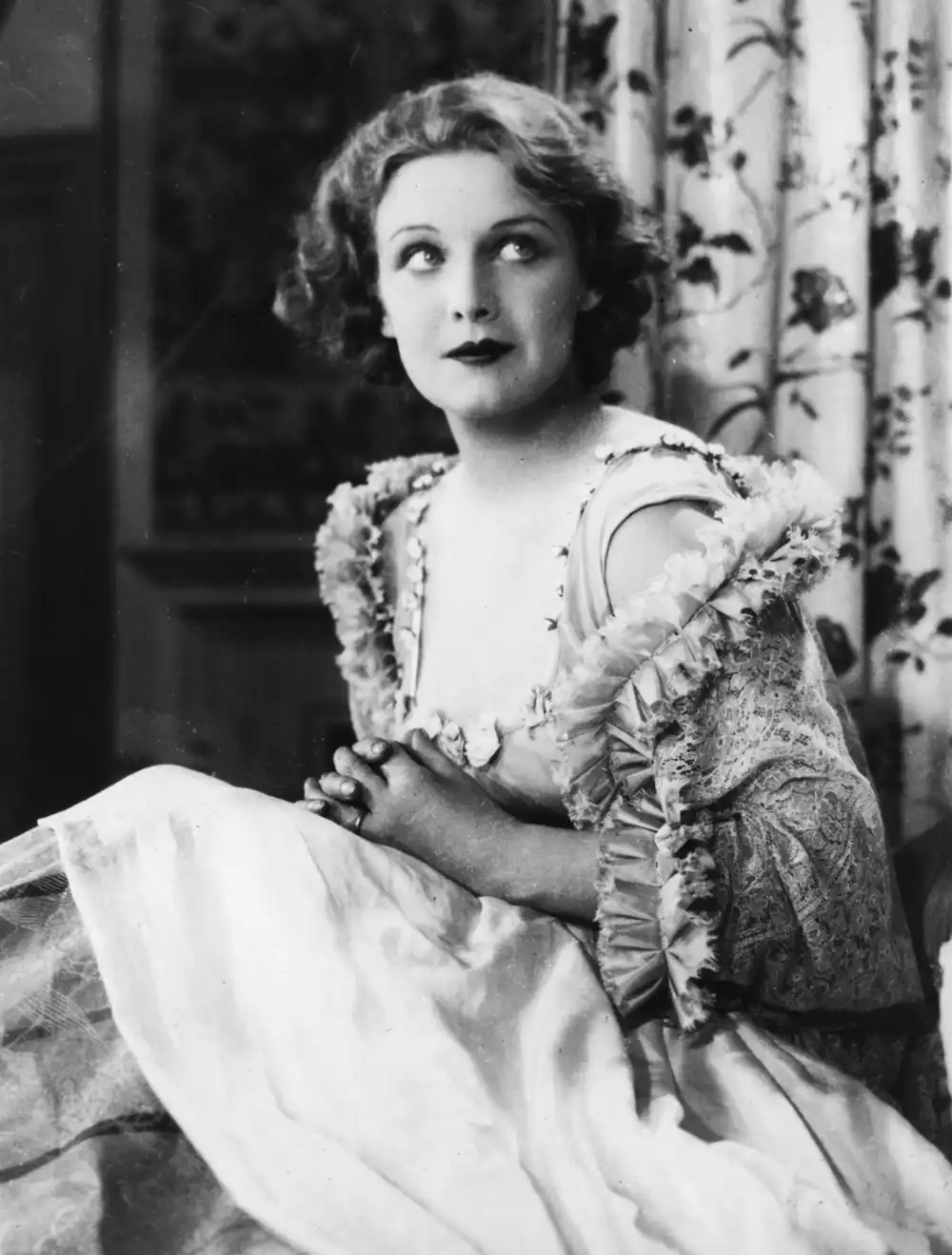
A definitive 4.9/10 rating for a film that redefined the boundaries of cult cinema. School for Scandal remains a cornerstone of transgressive art.
Okay, so School for Scandal. This one's for the purists, I'll tell you that much. If you love classic British theatre, especially from the 18th century, and you're curious how early sound films tackled it, then yeah, give it a shot. Otherwise? Probably a skip. It’s a very specific taste, and if you're looking for modern pacing or nuanced acting, you'll be pretty bored. 🤷♀️
Right from the start, you can feel the stage roots. The whole thing plays out like a filmed play, which, honestly, isn't a surprise for 1930. A lot of characters just sort of stand around, delivering their lines straight at the camera or to each other in these very formal arrangements. It's less a movie, more a recording of a performance.
The plot, wow. It’s a twisty one, full of misunderstandings and people talking behind each other’s backs. Lady Sneerwell (Anne Grey) and Joseph (Ian Fleming) are practically masters of manipulation. They cook up these wild schemes to make Sir Peter (Basil Gill) think his young wife, Lady Teazle (Madeleine Carroll), is having an affair with Charles (Henry Hewitt). All so Joseph can get Maria and Lady Sneerwell can snag Charles. It's a lot to keep track of! 🤯
Basil Gill as Sir Peter is really something. He's got this booming, theatrical presence. You can almost see him chewing the scenery, but in a charming old-school way. His arguments with Lady Teazle, played by Madeleine Carroll, are a highlight. She’s so young and spirited, and he’s just… *flustered*. Their dynamic, even with the stiff dialogue, feels genuinely alive.
Then Sir Oliver (Edgar K. Bruce) shows up, secretly, to test his nephews. This whole subplot with him pretending to be Mr. Premium and Mr. Stanley is where things get interesting. Charles, the gambler, is willing to sell off all his ancestors' portraits for cash, but *not* Sir Oliver's. That’s a nice touch. Joseph, on the other hand, is too busy plotting to even give the 'poor relative' the time of day. 😬
The famous ‘screen scene’ is definitely the movie’s centerpiece. You know, where Lady Teazle is hiding behind the screen while Joseph tries to smooth things over with Sir Peter. Then Charles bursts in, and Sir Peter ducks into a closet. It’s pure farce, and it works, mostly. You can feel the tension build, even with the slightly wooden performances. The moment the screen gets pulled down and Lady Teazle is revealed… the silence in the room, it just hangs there. It’s pretty good, actually. For a moment, it feels like *real* cinema.
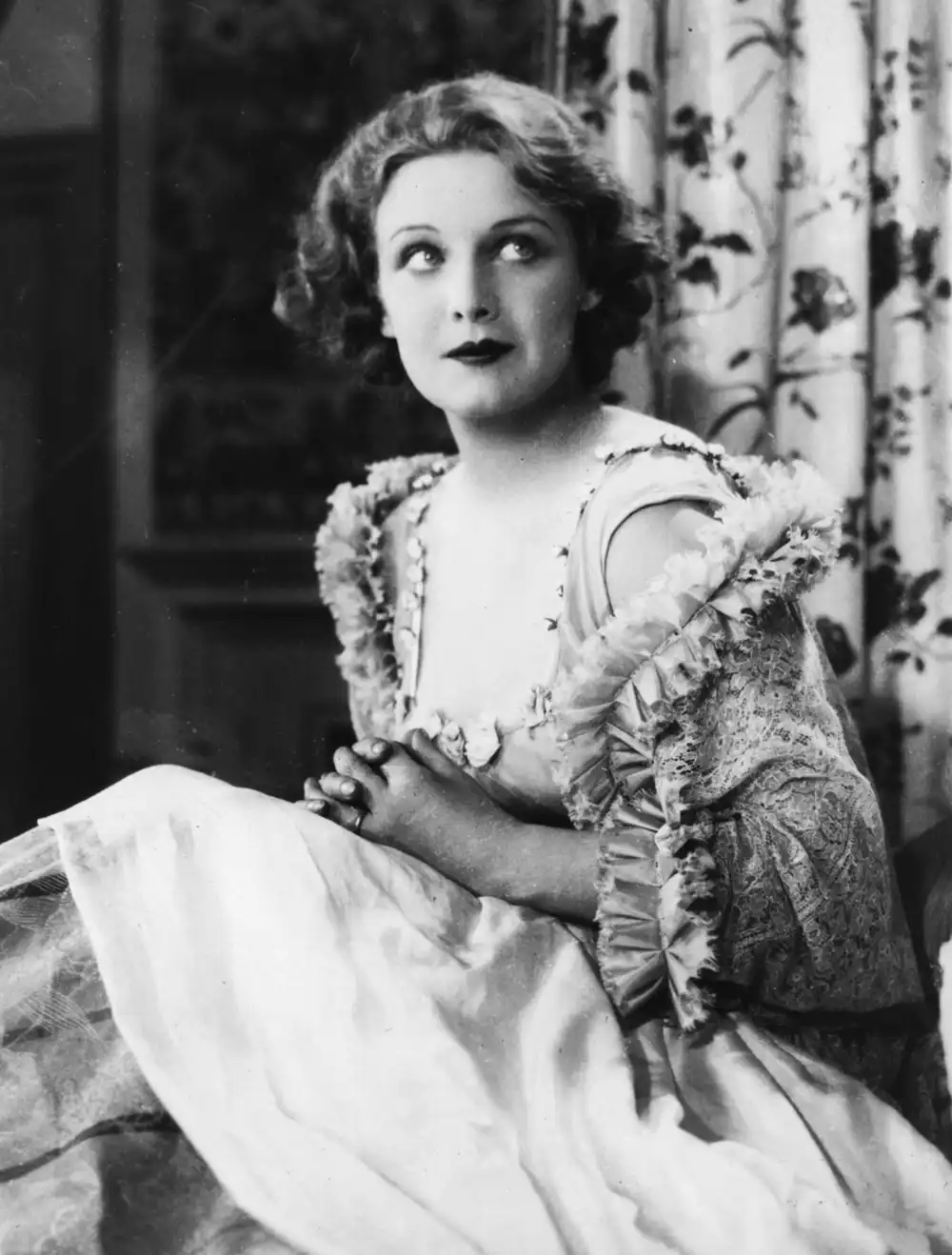
“The scene goes on about 20 seconds too long, and the silence starts to feel awkward rather than emotional.”
Well, maybe not *always*. Sometimes, a pause is just a pause, you know? But when Lady Teazle finally speaks, telling Sir Peter how much his words meant while she was hiding, it's a sweet, vulnerable beat. Their reconciliation, even if a bit rushed, feels earned.
The gossips themselves are a hoot. Lady Sneerwell's whole crew, always dissecting reputations. It’s funny how little has changed, really, even after all these years. People just love to talk. And judge. And totally get it wrong sometimes.
The pacing is… deliberate. Very deliberate. There are moments when you just want someone to *move*. Or say something quicker. But then, it’s a period piece based on a play, so a certain rhythm is expected. It makes you appreciate how much film language has evolved.
And the ending! Everyone converging at Joseph’s house. Sir Oliver reveals himself, Charles is cleared, and Lady Sneerwell’s final desperate lie about Charles getting her pregnant is instantly shut down by Snake. It's all tied up rather neatly, perhaps *too* neatly for modern tastes. Charles and Maria end up together, and all the bad guys get their comeuppance. A very satisfying, if predictable, theatrical close. 😊
Is it a groundbreaking film? Nah. But for a peek into early sound era filmmaking adapting a classic, it has its moments. It’s a charming artifact, if you’re patient enough to dig through the very thick layers of dialogue. It’s a lot of talking, but then, that’s the point, isn't it?
IMDb 6.7
1933
Community
Log in to comment.