DbcultAccessing Vault...
5.8/10
Senior Film Conservator
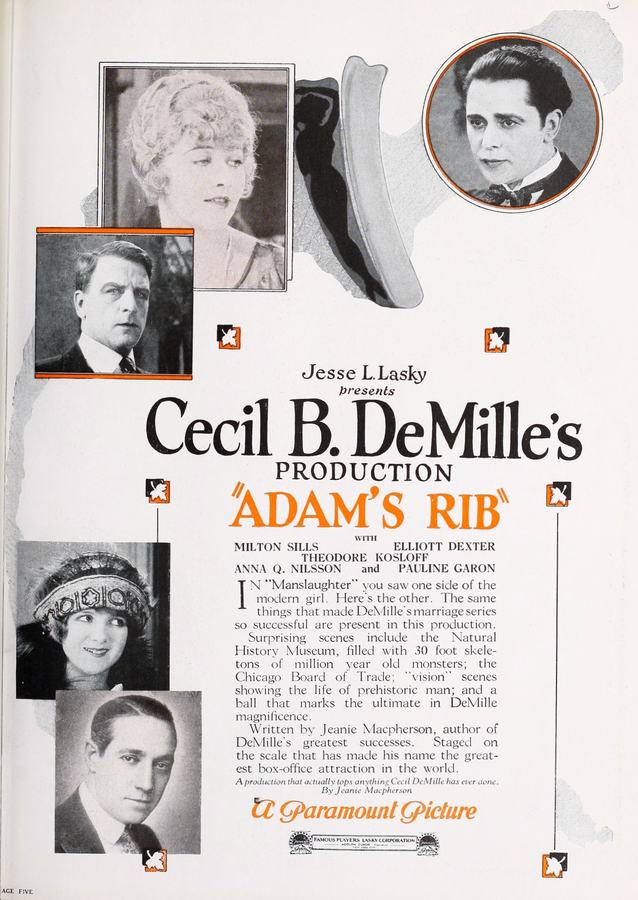
A definitive 5.8/10 rating for a film that redefined the boundaries of cult cinema. Adam's Rib remains a cornerstone of transgressive art.
Adam's Rib arrives from the silent vaults as a study in the corrosive allure of wealth and the fragile architecture of marital fidelity. Directed by the visionary Jeanie Macpherson, the film weaves a tapestry of ambition and moral compromise that feels startlingly contemporary, despite its century‑old provenance.
The plot unfolds with the relentless rhythm of a wheat‑harvesting season. Michael Ramsay (portrayed with steely intensity by Forrest Robinson) is a man whose identity is inseparable from the golden stalks he cultivates. His wife, rendered with a haunting vulnerability by Anna Q. Nilsson, drifts into an affair that threatens to unravel the familial tapestry. The daughter, Mathilda (the luminous Pauline Garon), assumes the mantle of guilt, embodying the sacrificial archetype so prevalent in early twentieth‑century melodrama.
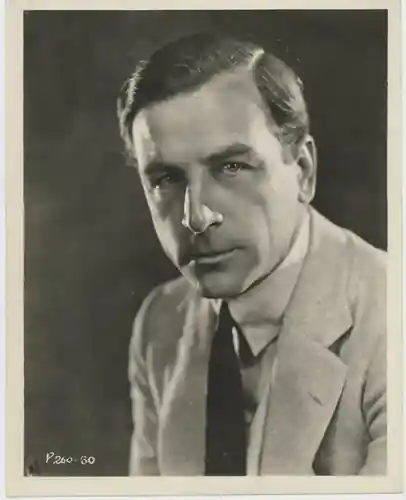
Ramsay’s financial near‑collapse, juxtaposed with his sudden resurgence, serves as a metaphorical seesaw for the film’s moral compass. The narrative does not merely chart a rise and fall; it interrogates the price of redemption and the elasticity of social perception. In this regard, the film echoes the thematic undercurrents of A Fugitive from Matrimony, where personal ambition collides with domestic expectation.
Robinson’s portrayal of Ramsay is a masterclass in restrained ferocity. His eyes, narrowed against the grain‑filled horizon, convey an unspoken calculus that words could never capture. Nilsson’s wife oscillates between yearning and remorse, her delicate gestures a language of their own. Gino Corrado, as the lover, offers a foil of suave confidence, his presence a catalyst for the familial rupture.
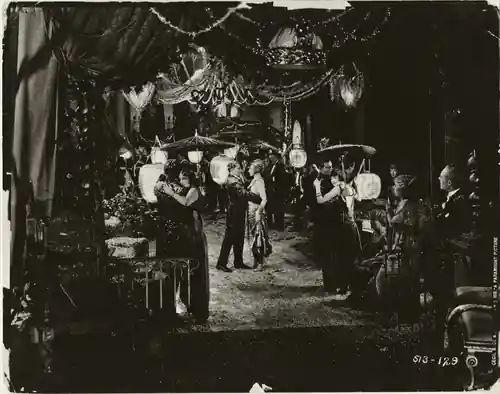
Pauline Garon’s Mathilda is perhaps the most compelling thread. She navigates the treacherous waters of filial duty with a poise that belies her youth. In moments of quiet desperation, her face becomes a canvas of muted desperation, reminiscent of the pathos found in Mad Love.
Cinematographer Milton Sills employs chiaroscuro lighting to accentuate the film’s moral dichotomies. Shadows loom over the wheat fields, suggesting the looming specter of ruin, while bright shafts of light illuminate moments of fleeting hope. The use of the sea‑blue hue (#0E7490) in the final reconciliation scene evokes a sense of calm after tempest, a visual metaphor for the restored equilibrium.
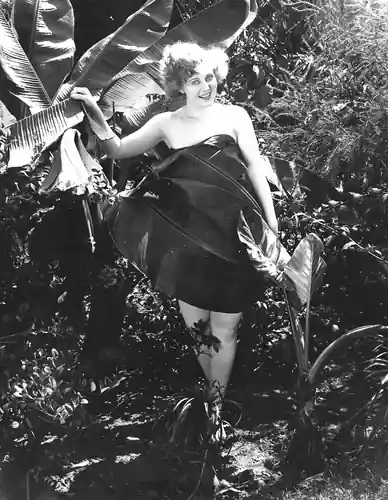
The set design, though constrained by the era’s technological limits, manages to convey both the opulence of Ramsay’s estate and the starkness of his financial nadir. The contrast between the dark orange (#C2410C) tones of the interior—rich drapes, polished wood—and the bleak, almost monochrome exterior underscores the film’s central conflict between wealth and emotional desolation.
Macpherson’s direction eschews melodramatic excess in favor of a measured cadence that mirrors the cyclical nature of agriculture. The film’s three‑act structure—prosperity, collapse, resurgence—mirrors the planting, harvesting, and replanting of crops, reinforcing the thematic motif of renewal.
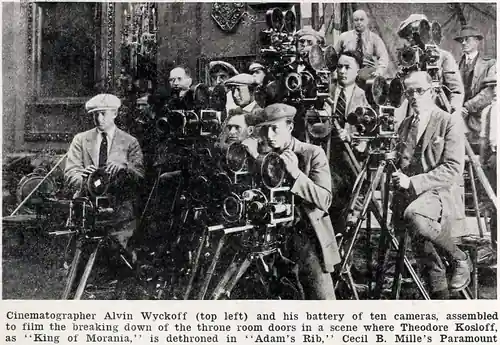
Intercutting between the bustling grain markets and the intimate domestic spaces creates a rhythmic juxtaposition that keeps the audience tethered to both the macro and micro narratives. This technique bears a kinship to the editing style observed in The Great Accident, where large‑scale disaster is interwoven with personal tragedy.
Though silent, the film’s musical accompaniment—originally performed live—draws upon a plaintive piano motif that swells during Ramsay’s financial crisis, then recedes into a hopeful violin passage as his fortunes revive. The auditory texture, though not recorded, is reconstructed in modern screenings with a period‑appropriate score, enhancing the emotional resonance.
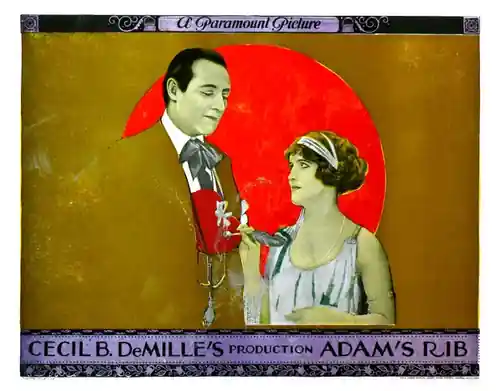
When placed alongside contemporaneous works such as Broadway Bill and The Fakers, Adam’s Rib distinguishes itself through its nuanced exploration of gender dynamics. While many silent dramas relegated women to mere plot devices, this film grants Mathilda agency, allowing her to subvert the patriarchal expectations of her era.
The film’s treatment of infidelity also anticipates later noir sensibilities, foreshadowing the moral ambiguity that would dominate mid‑century cinema. Its restraint, however, prevents it from slipping into melodramatic sensationalism, a pitfall that ensnares The Price of Silence.
Adam’s Rib remains a hidden gem, largely eclipsed by more commercially successful contemporaries. Yet its examination of economic volatility and personal sacrifice resonates in today’s climate of financial uncertainty. The film’s subtle critique of the American Dream—embodied by Ramsay’s relentless pursuit of wheat wealth—offers a timeless commentary on the cost of ambition.
For scholars of early cinema, the film provides a fertile case study in how silent narratives can convey complex ethical quandaries without spoken dialogue. Its preservation status, fortunately secured by several archives, allows modern audiences to experience its visual poetry.
In sum, Adam’s Rib is a meticulously crafted silent drama that balances economic allegory with intimate human drama. Its performances are layered, its cinematography evocative, and its thematic concerns remarkably prescient. While it may not possess the overt flamboyance of Vanina, its quiet power lies in its restraint and its willingness to let visual storytelling speak for itself.
For aficionados seeking a film that marries period authenticity with enduring relevance, Adam’s Rib offers a compelling, richly textured experience—one that invites repeated viewings and scholarly contemplation.

IMDb 7.8
1935
Community
Log in to comment.