DbcultAccessing Vault...
4.7/10
Senior Film Conservator
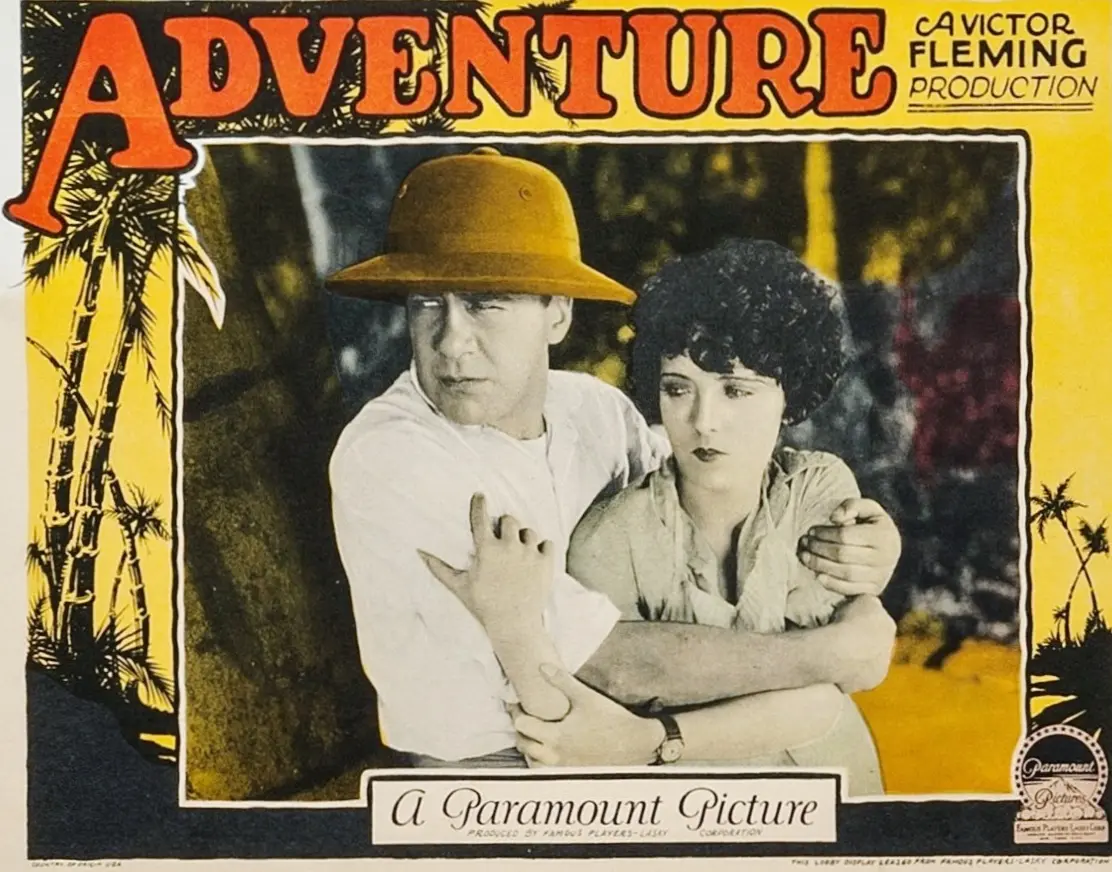
A definitive 4.7/10 rating for a film that redefined the boundaries of cult cinema. Adventure remains a cornerstone of transgressive art.
Is the 1925 adaptation of Jack London’s Adventure worth watching today? Short answer: Only if you are a dedicated student of silent cinema or a Jack London completist interested in the era’s colonial anxieties.
This film is specifically for those who enjoy early 20th-century survivalist narratives and can stomach the heavy-handed tropes of the period. It is absolutely not for viewers seeking a modern, nuanced take on indigenous cultures or those who find the pacing of silent dramas too deliberate.
1) This film works because Pauline Starke’s portrayal of Joan Lackland breaks the mold of the 1920s damsel, offering a 'soldier of fortune' who is more competent than the lead male.
2) This film fails because its treatment of the Solomon Islands natives is rooted in a reductive, antagonistic 'us vs. them' mentality that hasn't aged well.
3) You should watch it if you want to see a rare example of a female action lead in the silent era who manages her own crew and handles a rifle with more authority than a fan.
The film opens with a sense of suffocating isolation. David Sheldon, played with a weary desperation by Tom Moore, is not a conquering hero but a man being slowly erased by the environment. The depiction of blackwater fever is surprisingly visceral for a 1925 production.
Unlike the lighthearted escapism found in High Spots of Hawaii, Adventure treats the Pacific as a place of biological hazard. The cinematography captures the plantation not as a lush paradise, but as a claustrophobic enterprise of death.
When Joan Lackland arrives, the tone shifts. Pauline Starke brings a rugged energy that feels out of place in the best way possible. She doesn't just nurse Sheldon; she audits his books and organizes his defense. It is a hostile takeover disguised as a rescue.
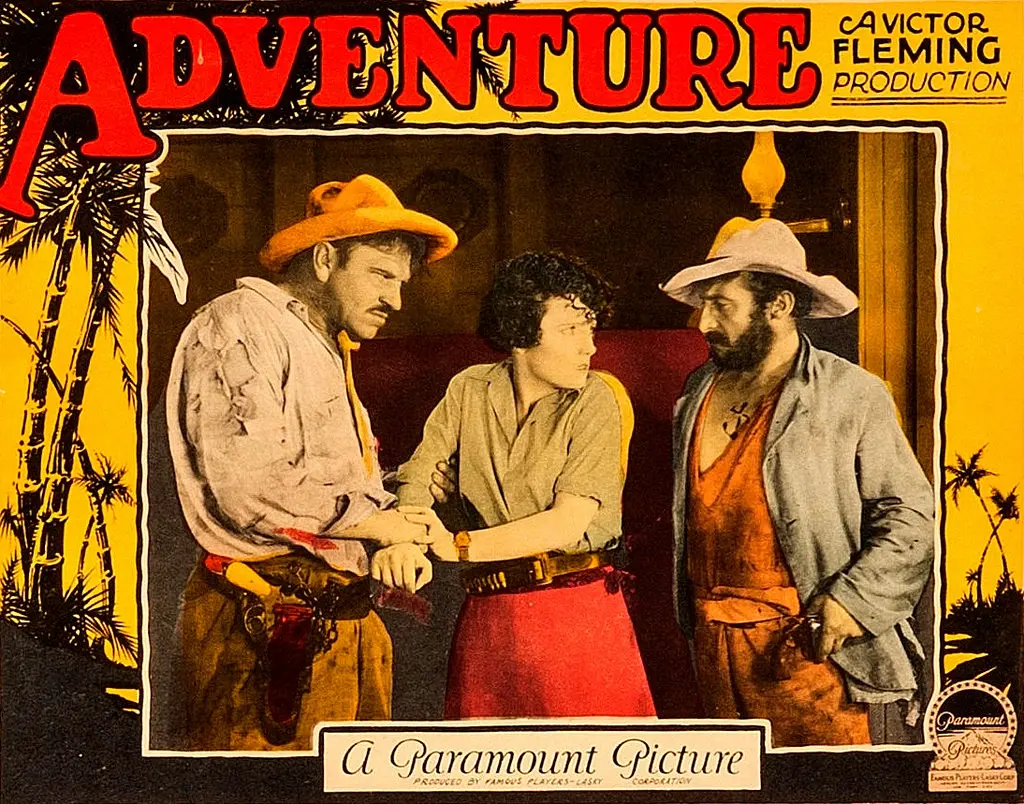
The most striking element of the film is the power imbalance between Joan and David. Usually, in films like The Valiants of Virginia, the male lead is the pillar of strength. Here, Sheldon is a shivering, debt-ridden mess for the first half of the runtime.
Joan’s crew of Kanaka sailors adds a layer of maritime professionalism that complicates the colonial narrative. She is a woman operating outside the traditional structures of 1920s society. She is a mercenary, a partner, and a protector.
One specific scene stands out: Joan standing on the porch of the plantation house, rifle in hand, staring down Googomy’s forces. She isn't waiting for Sheldon to wake up and save her. She is the thin line between survival and the end of the Sheldon estate.
The film takes a hard turn when the moneylenders enter the fray. These are the true villains—men of capital who use the local population as a blunt instrument. This reflects Jack London’s own cynical views on the intersection of greed and imperialism.
However, the portrayal of the natives led by Googomy (Noble Johnson) is where the film stumbles for a modern audience. While Noble Johnson is a compelling screen presence, the character is written as a one-dimensional threat. It lacks the psychological depth found in contemporary dramas like The Doom of Darkness.
The revolt itself is staged with significant scale. The use of fire and the sheer number of extras create a sense of genuine chaos. It is a far cry from the slapstick antics of Why Worry?, opting instead for a grim, high-stakes confrontation.
The pacing is uneven. The middle section, focused on the business partnership and the legal threats from the moneylenders, slows to a crawl. It feels more like a courtroom drama than an island adventure. This is a common issue in adaptations of London’s later works.
Visually, the film relies on deep shadows and stark lighting to convey Sheldon’s illness. The fever dreams are handled with subtle dissolves that feel more grounded than the surrealism of Baffled. It creates a sense of psychological weight.
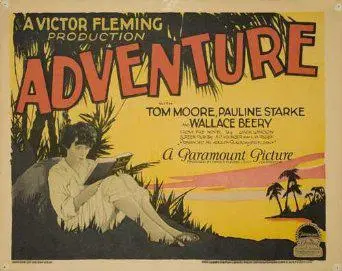
The action sequences are the film's saving grace. The final defense of the plantation is edited with a frantic energy that keeps the stakes high. You can feel the heat, the desperation, and the smell of gunpowder through the screen.
Is Adventure a lost classic? No. But it is a fascinating artifact. It presents a version of femininity that was rarely allowed to breathe in the silent era. Joan Lackland is the reason to watch.
If you are looking for a lighthearted romp, look elsewhere, perhaps toward Bill's Sweetie. This film is a heavy, sweat-soaked slog through the ethics of ownership and survival. It is uncomfortable, dated, and yet strangely compelling.
The film’s greatest strength is its refusal to make the island life look easy. It is a constant battle against disease, debt, and dissent. In that regard, it captures the spirit of Jack London better than many of its contemporaries.
Pros:
Cons:
Adventure is a film of contradictions. It is progressive in its depiction of a woman’s agency while being regressive in its depiction of race. It works. But it’s flawed. The performance of Pauline Starke elevates it above the standard 'jungle' fare of the 1920s, making it a necessary watch for those interested in the evolution of the action heroine.
Don't expect a polished hero's journey. Expect a messy, feverish struggle for control. It is a film that reflects the anxieties of its time with brutal honesty, even when that honesty is difficult to watch today.
IMDb —
1922
Community
Log in to comment.