DbcultAccessing Vault...
Cult Review
Senior Film Conservator
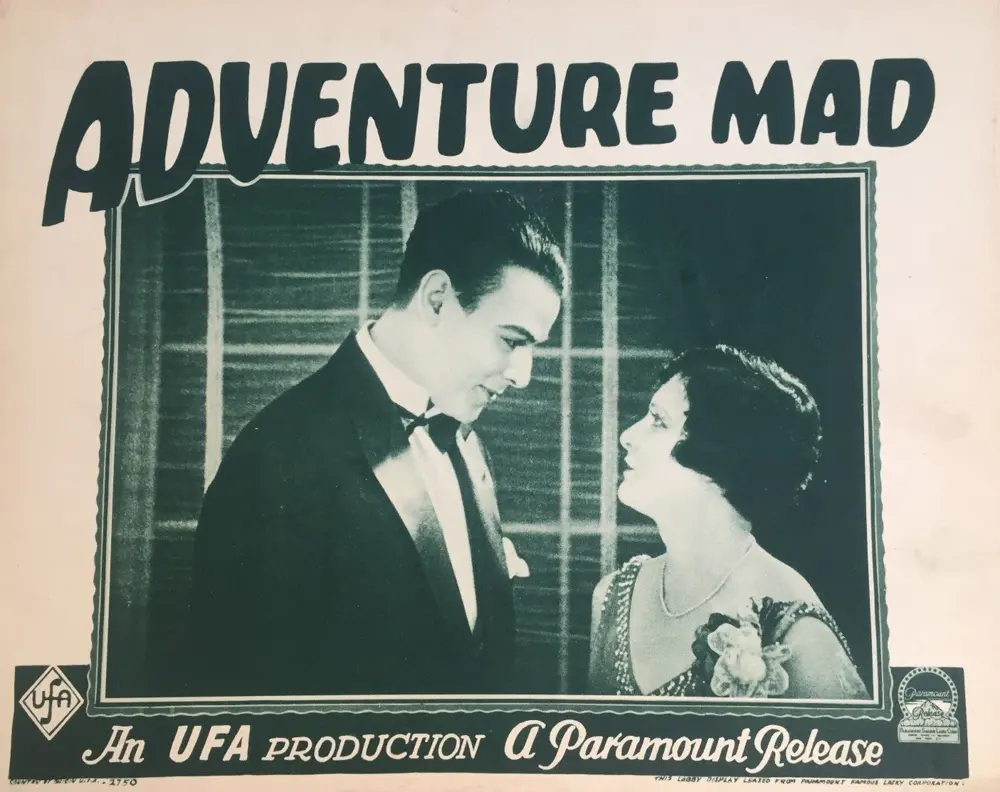
Short answer: yes, but with significant caveats. "Adventure Mad" certainly offers a fascinating glimpse into early cinematic storytelling, particularly for those with an appreciation for the silent era's unique charms and narrative conventions. It’s a film that demands patience and a willingness to engage with its historical context.
This film is unequivocally for cinephiles, historians, and anyone curious about the foundational elements of adventure cinema. It will likely disappoint viewers accustomed to modern pacing, complex dialogue, or high-budget special effects. Expect a journey, not just a destination.
"Adventure Mad," a title that perfectly encapsulates its energetic spirit, emerges from an era when the moving picture was still discovering its voice. Directed with a keen eye for visual storytelling by its unnamed helmer, and penned by Georg Mühlen-Schulte and Robert Liebmann, this film is more than just a relic; it’s a vibrant, if sometimes quaint, testament to the universal appeal of exploration and daring.
The film’s power lies not in its intricate plot twists, which are often telegraphed, but in its ability to transport the audience to far-flung locales through the sheer charisma of its performers and the ingenuity of its set designs. It thrives on spectacle and emotional resonance, a common thread in the best silent features. The sheer audacity of its ambition, given the technical limitations of the time, is commendable.
"Adventure Mad" is a vibrant, if sometimes quaint, testament to the universal appeal of exploration and daring.
This film works because of its audacious spirit and the palpable commitment of its lead performers. It fails because its narrative can feel simplistic and its pacing occasionally meanders, a common trait of films from this period attempting to fill feature-length runtimes without the benefit of sound. You should watch it if you cherish silent cinema, appreciate historical context, and are willing to overlook period-specific flaws for a genuine sense of adventure.

Lillian Hall-Davis, a prominent figure of the era, truly shines as the film's intrepid protagonist. Her portrayal is a masterclass in silent acting, conveying a spectrum of emotions – from fierce determination to moments of vulnerability – with remarkable clarity. One particular scene, where her character faces down a treacherous river rapid, showcases her ability to command the screen without uttering a single word. Her eyes, wide with a mix of fear and resolve, tell a more compelling story than any dialogue ever could.
Eric Barclay, as her often-charming, sometimes-duplicitous companion, provides an excellent foil. His physicality and subtle gestures hint at a deeper complexity that keeps the audience guessing about his true loyalties. It's a performance that adds a much-needed layer of ambiguity to what might otherwise be a straightforward adventure narrative. His smirk, captured in a tight close-up during a tense negotiation, speaks volumes about his character's moral flexibility.
The supporting cast, including the formidable Albert Steinrück and Hermann Vallentin, adds considerable weight to the proceedings. Steinrück, often cast in imposing roles, brings a menacing gravitas to his villainous turn. His presence alone, even in moments of stillness, is enough to convey a profound sense of threat. Paul Graetz and Nils Asther also deliver memorable performances, each contributing distinct flavors to the ensemble, from comedic relief to brooding intensity.
Nina Vanna, though perhaps given less screen time than Hall-Davis, makes a strong impression with her elegant yet enigmatic presence. Her characters often carried an air of mystery, and here she uses it to great effect, hinting at alliances and betrayals with a mere glance.
The direction, while not groundbreaking by today's standards, is effective in building tension and conveying a sense of scale. The use of location shooting, rather than relying solely on studio sets, lends an authenticity that elevates the film beyond mere theatricality. There are moments of genuine visual flair, particularly during the more action-oriented sequences.
Consider the sequence where the protagonists navigate a dense jungle. The camera, though static for much of the time, manages to capture the oppressive atmosphere through clever use of light and shadow, and the framing of dense foliage. It’s a testament to the ingenuity of early filmmakers who understood how to evoke grand environments with limited resources. This approach, while less kinetic than modern adventure films, forces the viewer to pay closer attention to the details within the frame.
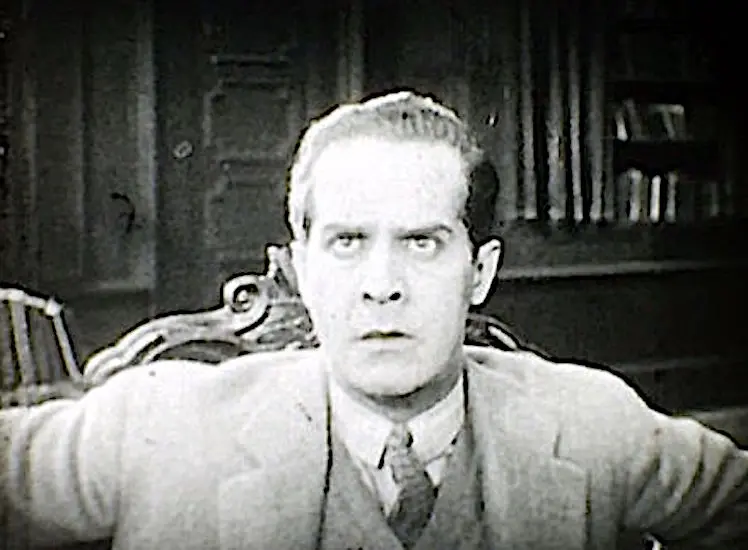
The cinematography, though lacking the sweeping crane shots or intricate tracking moves of later eras, effectively uses composition to guide the viewer's eye. Close-ups are employed judiciously, often to highlight a character's emotional state or a crucial plot device. The visual language is clear, concise, and remarkably expressive, a hallmark of well-executed silent film. The intertitles, rather than merely explaining, often enhance the visual narrative, adding context without overwhelming the images.
However, it’s fair to say that some of the editing choices feel a little abrupt, occasionally disrupting the flow of the action. This is a minor quibble, but it prevents some of the more ambitious sequences from reaching their full potential. The film’s attempts at grand spectacle, while admirable, sometimes stumble in their execution, revealing the limitations of the medium at the time.
The pacing of "Adventure Mad" is decidedly deliberate. It builds its world and its narrative brick by brick, allowing scenes to unfold at a measured rhythm. For modern audiences, this might feel slow, especially in its expositional stretches. However, this measured approach also allows for greater immersion into the silent film experience, encouraging a focus on visual cues and the emotional arcs of the characters.
The tone oscillates between lighthearted adventure and genuine peril. There are moments of genuine suspense, particularly when our heroes find themselves in life-threatening situations, juxtaposed with instances of charming comedic relief, often provided by Paul Graetz. This balance prevents the film from becoming overly grim, maintaining a sense of escapism that is crucial for the genre. It’s a tonal tightrope walk, and for the most part, the film manages to stay upright.
Thematically, the film explores classic adventure tropes: the lure of the unknown, the corrupting influence of greed, and the triumph of human spirit over adversity. It’s a simple, yet potent, exploration of these ideas, delivered without cynicism. The pursuit of discovery, rather than just material wealth, feels like a genuine motivation for Hall-Davis’s character, which gives the film a surprisingly noble core. It works. But it’s flawed.
Compared to other adventure films of the era, such as The Dragon Painter or even more dramatic fare like The Foolish Virgin, "Adventure Mad" leans more into pure escapism. It doesn't strive for the same poetic introspection or moral complexity, opting instead for a more direct, thrill-seeking narrative. This is not a criticism, merely an observation of its distinct flavor.
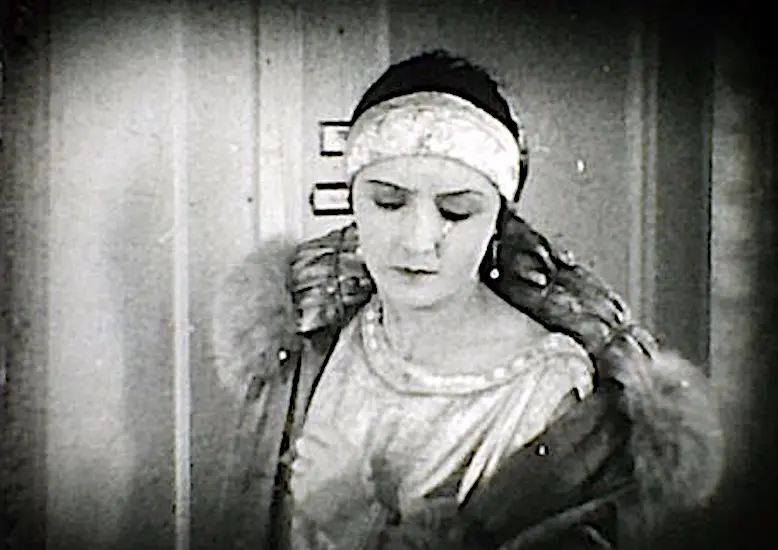
One surprising observation is how much the film relies on the audience's imagination to fill in the gaps. Unlike later adventure films that leave little to the viewer, "Adventure Mad" often presents a situation and trusts the audience to infer the danger or the emotional stakes. This isn't a weakness; it's a strength, fostering a more active viewing experience. Modern cinema could learn from this understated approach.
I’d argue that the film’s greatest legacy isn't its narrative, which is fairly standard, but its cast’s collective ability to convey complex motivations through non-verbal performance. Lillian Hall-Davis, in particular, delivers a performance that feels remarkably contemporary in its authenticity, defying the theatricality often associated with silent film. She’s not just emoting; she’s *living* the role. This makes her character far more relatable than many of her contemporaries, even if the plot around her is somewhat predictable.
Furthermore, the film’s depiction of 'exotic' locales, while certainly a product of its time and prone to orientalist tropes, often manages to evoke a genuine sense of wonder rather than mere caricature. The filmmakers clearly aimed for spectacle and adventure, and mostly succeeded in creating a believable world for their characters to inhabit, even if that world is seen through a Western lens. It’s a delicate balance, and one that sparks debate about historical representation.
No, "Adventure Mad" is not a lost classic in the traditional sense. It is a valuable historical document and an entertaining adventure film from the silent era. It offers strong performances and effective silent storytelling. While it may not redefine cinema, it certainly contributes to our understanding of its early development. It holds significant appeal for niche audiences. Its strengths lie in its visual appeal and the vigor of its cast.
"Adventure Mad" is a film that deserves to be seen, not just as a historical artifact, but as a vibrant piece of early cinema that still manages to entertain. While it carries the hallmarks of its era – a more deliberate pace, less complex character motivations by modern standards – it compensates with an undeniable charm, robust performances, and a genuine sense of adventure. Lillian Hall-Davis’s performance alone makes it a compelling watch, anchoring the film with her magnetic presence.
For those willing to adjust their expectations and embrace the unique language of silent film, "Adventure Mad" offers a rewarding journey. It’s an important stepping stone in the evolution of the adventure genre, showcasing the foundational elements that would later be refined in countless other films. It's not a forgotten masterpiece, but it’s certainly a film with a heart of gold and a spirit that remains, well, madly adventurous.

IMDb —
1916
Community
Log in to comment.