DbcultAccessing Vault...
Cult Review
Senior Film Conservator
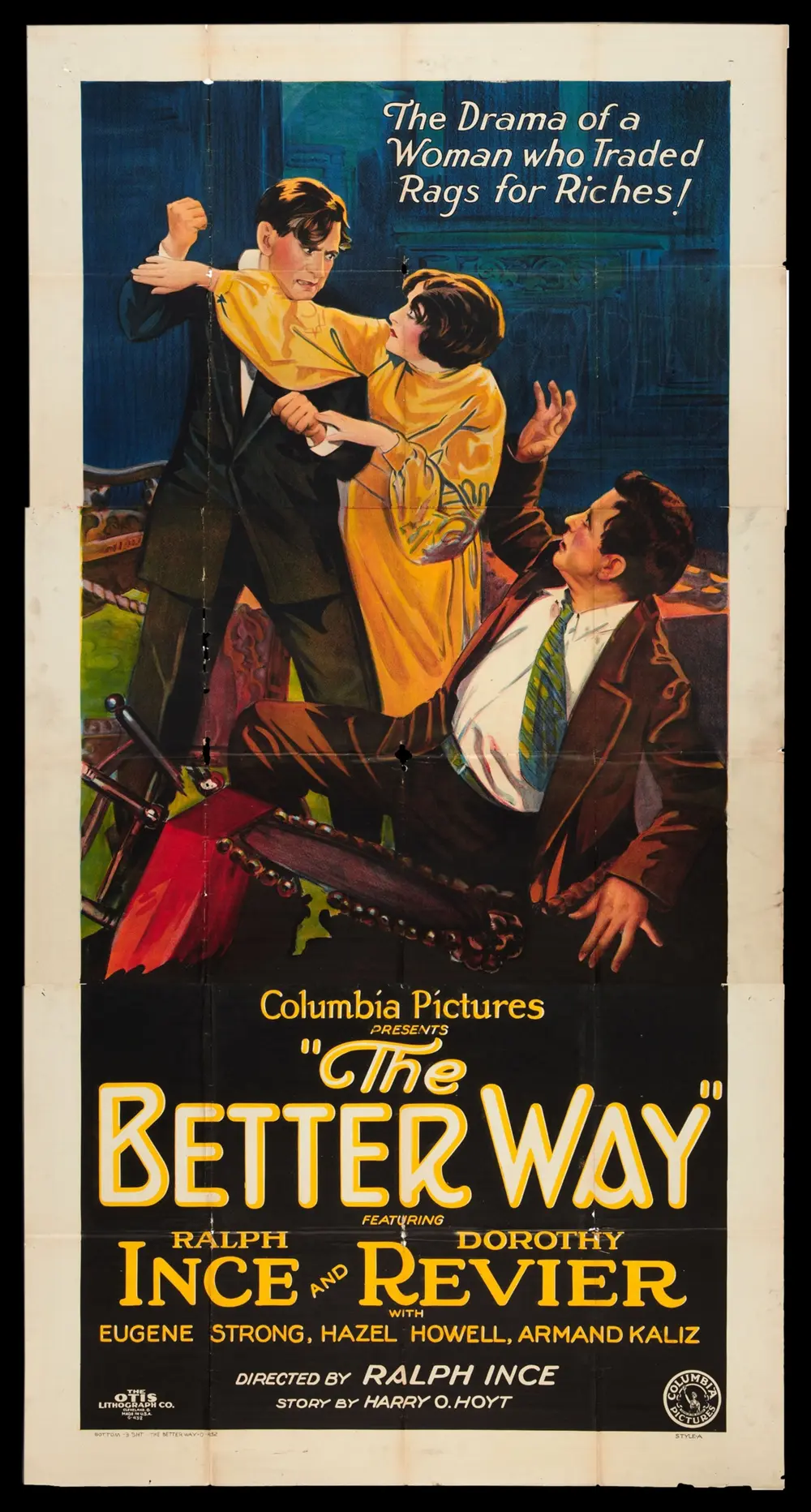
Short answer: Yes, but with a discerning eye. The Better Way, a 1923 American comedy, tells the story of Betty Boyd, a stenographer who becomes a stockbroker and beauty queen. It's a delightful look at the era's idealizations of success and beauty, but it's also a product of its time, reflecting the gender norms and social attitudes of the early 20th century.
This film is for those with an interest in early Hollywood, silent films, and social history. It's not for those who prefer more nuanced, modern takes on these themes.
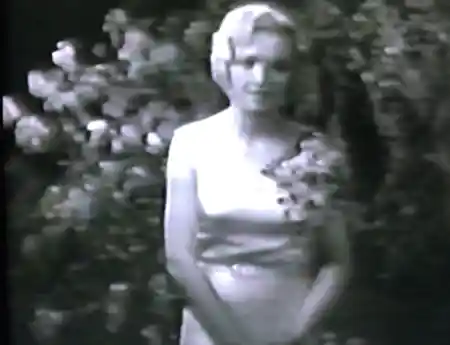
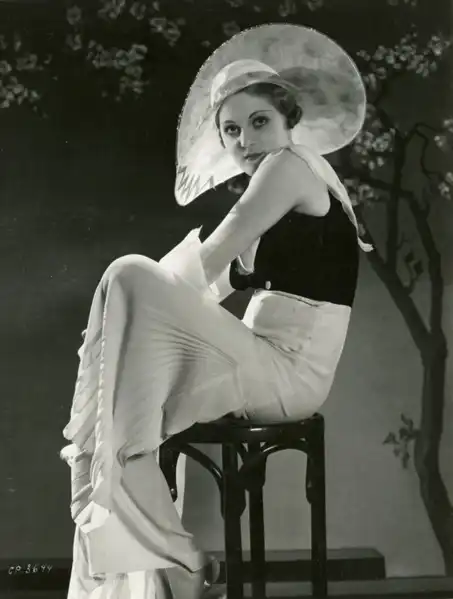
This film works because of its talented cast, particularly Dorothy Revier as Betty Boyd. Revier brings a natural charm and comedic timing that makes Betty relatable and endearing. Ralph Ince as Billy, the office bookkeeper, provides a solid romantic lead, and the supporting cast, including Armand Kaliz and Eugene Strong, adds depth and humor to the ensemble. The film's pacing is brisk, moving through its plot twists and comedic moments with energy.
The film's social commentary on the era's fascination with beauty and financial success is also a highlight. The transformation scenes, where Betty undergoes beauty treatments, are amusing and serve as a commentary on the lengths people went to in the early 1920s to achieve perfection.
This film fails because of its reliance on dated humor and stereotypes. The film's comedic elements often rely on punchlines that wouldn't land today, and the character arcs are somewhat predictable. Betty's transformation is too convenient and unrealistic, and the romantic subplot between Betty and her boss is more of a setup than a genuine connection. The film also suffers from a lack of emotional depth, which is common in many silent films of this era.
The film's portrayal of gender roles and expectations is also problematic. Betty's success is largely attributed to her beauty, and her eventual choice to pursue a relationship with the office bookkeeper is more a reflection of the time's social norms than a realistic relationship dynamic. These elements make the film feel somewhat dated and, at times, discomforting.
You should watch it if you have a curiosity about 1920s Hollywood and are willing to look past some of the film's dated elements. The film's social commentary on beauty and success, along with its talented cast, make it worth a watch for those interested in the era's cultural shifts. However, if you're looking for a more nuanced exploration of these themes or a modern take on them, you might want to look elsewhere.
Q: Is The Better Way worth watching?
Short answer: Yes, but with a discerning eye. The film offers a glimpse into early Hollywood and its social norms, but it's not without its flaws. It's best appreciated for its historical context and charming performances rather than as a modern masterpiece.
Overall, The Better Way is a film worth watching if you're curious about the early days of Hollywood and silent films. While it's not without its flaws, the performances, social commentary, and engaging pacing make it a worthwhile watch. However, if you're looking for a deeper, more contemporary exploration of these themes, you might want to explore other films in the genre.
IMDb —
1930
Community
Log in to comment.