DbcultAccessing Vault...
Cult Review
Senior Film Conservator
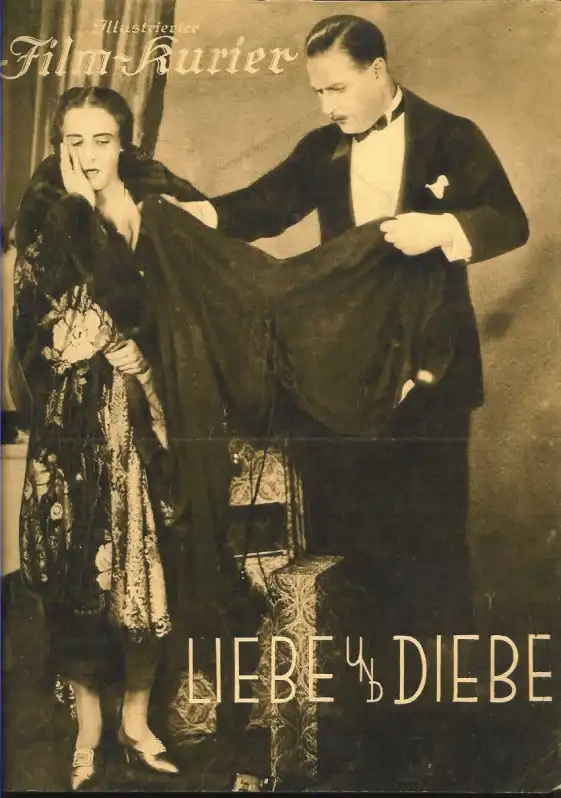
So, Liebe und Diebe. Is it worth tracking down today? Well, if you’re someone who genuinely enjoys digging into the quirks of early German cinema, particularly that interesting shift from silent to early sound, then yes, absolutely. You’ll find things to chew on. For anyone expecting a slick, modern viewing experience, or even just a particularly coherent narrative, you’ll probably be doing a lot of eye-rolling. It’s a film for the curious, not the casual.
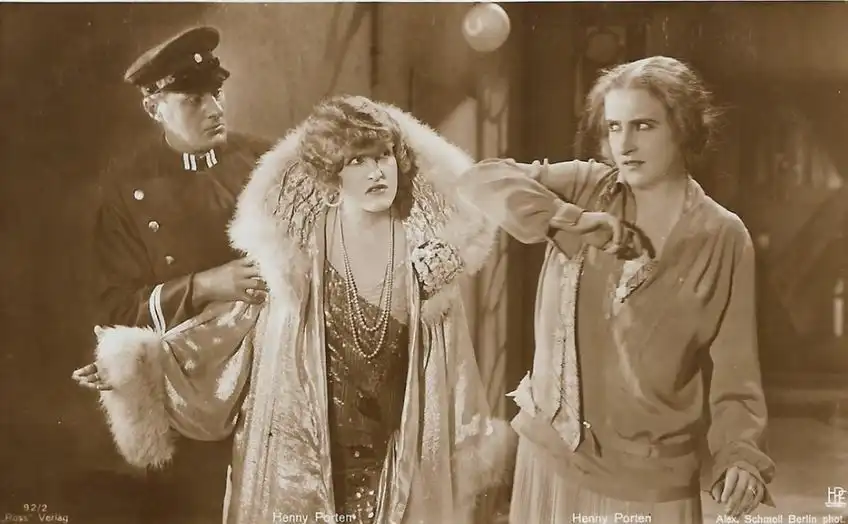
The premise, as the title suggests, is a mix of love and various forms of thievery. This isn't groundbreaking stuff, even for its time, but it offers a canvas for some interesting performances and, frankly, some baffling choices. Ellen Kürti, as the romantic lead, has this wide-eyed intensity that works in fits and starts. Sometimes it’s genuinely captivating, especially in a few close-ups where she just seems to radiate a kind of desperate hope. Other times, it veers into pure melodrama, all flailing arms and exaggerated gasps that feel more suited to a stage play than the camera.
Carl Geppert plays one of the titular 'thieves,' or at least a character deeply entangled in that world. He’s got a certain roguish charm, but it’s often undermined by the script’s insistence on making him almost comically inept. There’s a scene where he’s trying to discreetly pickpocket someone in a crowded streetcar, and the way he fumbles with the wallet, practically wrestling it from the mark's coat, is less 'master criminal' and more 'first-timer caught red-handed.' The other passengers, of course, are oblivious, which stretches credulity even for a film from this era. It’s a moment that could have been tense, but instead, it just feels a bit silly.
Pacing is a real issue here. Some scenes just drag. There's an extended sequence, maybe ten minutes long, where two characters are simply walking through a park, mostly in medium shots, with very little dialogue or meaningful interaction. It feels like filler, like the filmmakers were trying to hit a runtime without enough material. You can almost hear the editor sighing. Then, suddenly, a major plot point, like a dramatic betrayal, will happen in a blink-and-you-miss-it cut, without any real build-up. The tonal shifts are equally jarring, swinging from lighthearted romantic comedy to surprisingly grim dramatic turns without much warning. One minute, our hero is tripping over his own feet for a laugh; the next, he's staring into the abyss of some moral quandary, and the music hasn't quite caught up.
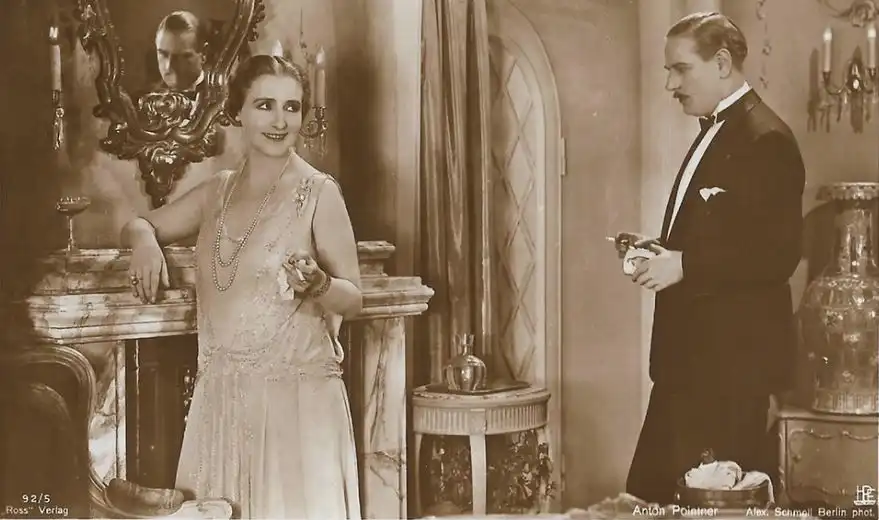
Visually, there are some striking moments. A particular shot of a dimly lit alleyway, with rain glistening on the cobblestones, really sticks with you. It’s got atmosphere. But then, it’s immediately followed by an interior scene in a lavish apartment where the set design is… well, it looks like a stage set. The walls wobble slightly when a door is slammed, and the 'fine art' on display is clearly just painted backdrops. It pulls you out of it.
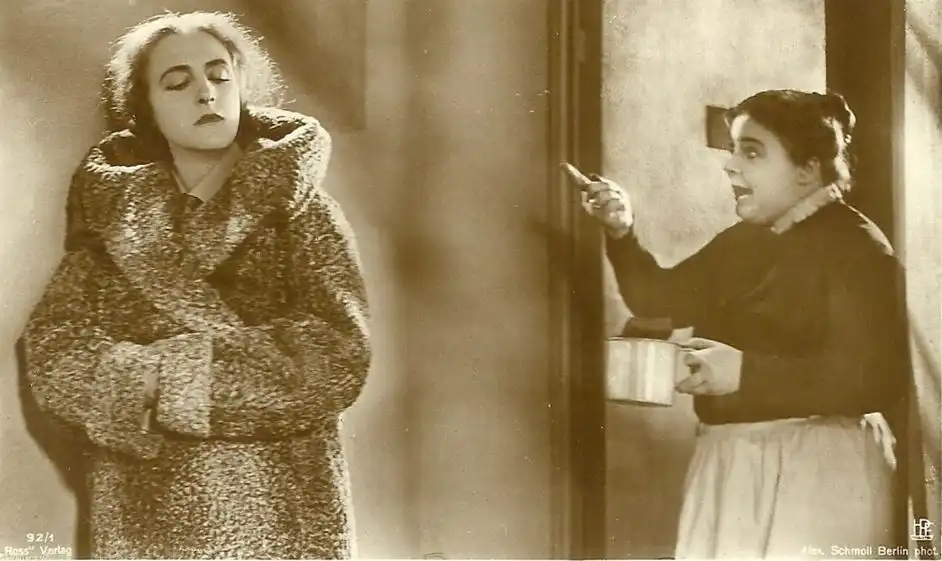
The dialogue, when it comes, can be a mixed bag. There are a few lines, particularly from Paul Bildt, that land with a surprising amount of wit. He plays a sort of weary police inspector, and his dry delivery is a welcome counterpoint to some of the more overwrought performances. But then you get lines that are so on-the-nose, explaining what a character is feeling rather than letting the actor convey it. It’s a common flaw of early talkies, this fear that the audience won't 'get it' without explicit verbal confirmation.
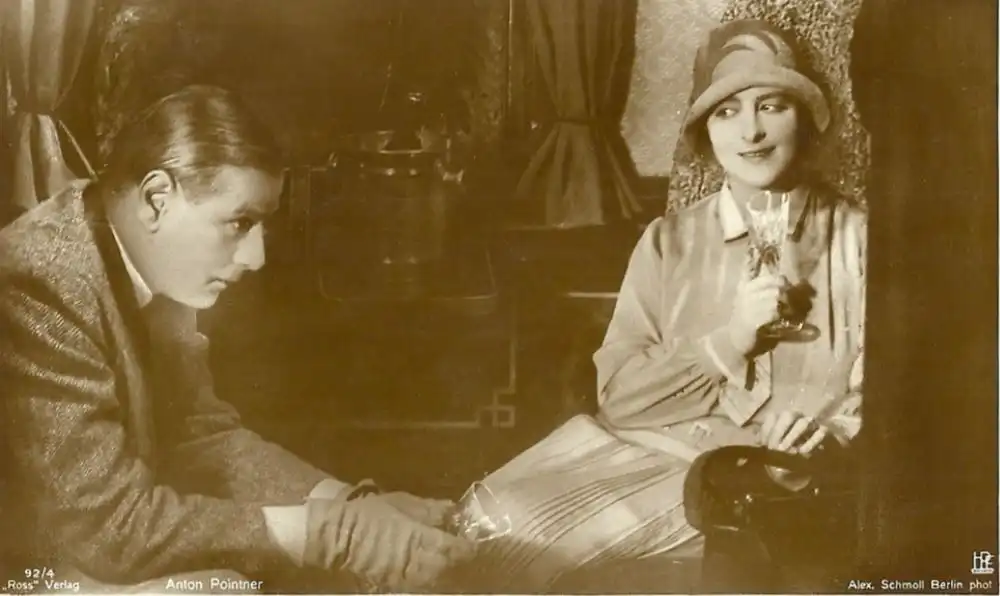
And the costumes! Ellen Kürti wears this one particular hat, a sort of cloche with an enormous feather, that seems to have a life of its own. It’s constantly at a jaunty, almost precarious angle, and you find yourself more worried about it falling off than about the actual plot unfolding. It’s a small thing, but it’s distracting. You wonder if it was a deliberate choice or just a practical problem on set.
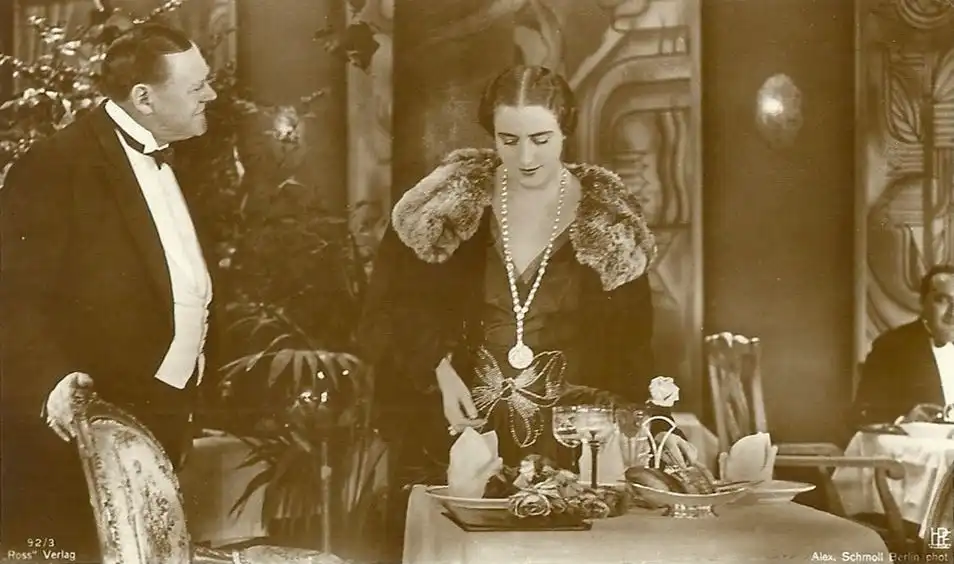
There's a scene in a bustling cafe, a classic setting for clandestine meetings. But the crowd in the background feels so oddly static. They’re all just sitting there, staring straight ahead, barely moving. It’s like they were told to 'act natural' but interpreted it as 'freeze.' You can almost see the director yelling 'Action!' and then 'Hold it!' for twenty minutes. It gives the whole thing an uncanny valley vibe, like a poorly rendered video game environment.
Despite its many rough edges, there’s a strange charm to Liebe und Diebe. It's not a masterpiece, not by any stretch. But it’s a fascinating artifact, a window into a specific moment in filmmaking history where the rules were still being written, often clumsily. You get to see actors trying to figure out how to 'act' for the camera, directors experimenting with editing, and writers grappling with the new medium of sound. It’s messy, a bit frustrating, but never entirely boring if you approach it with the right mindset. There are moments that genuinely surprise you, like a flicker of genuine emotion in an otherwise stiff scene, or an unexpected camera movement that truly elevates a simple interaction. Those moments are what you hold onto.
IMDb —
1936
Community
Log in to comment.