DbcultAccessing Vault...
Cult Review
Senior Film Conservator
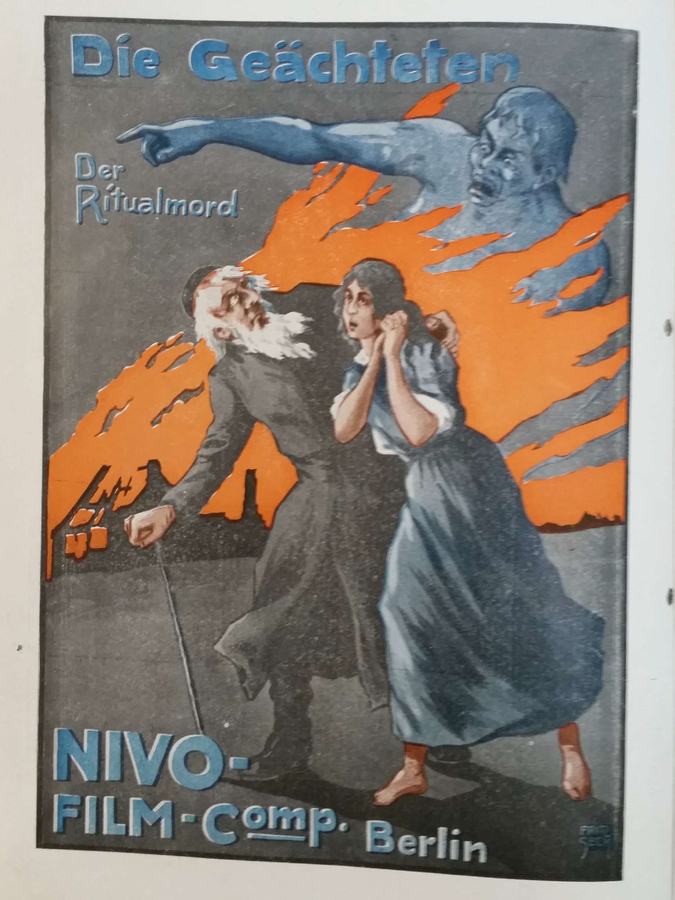
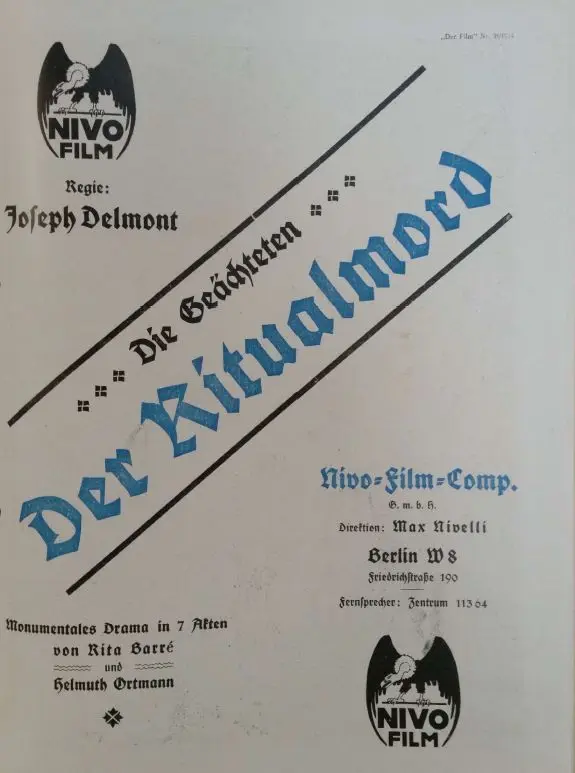
There is a specific brand of dread that only silent cinema can truly encapsulate—a haunting, flickering desperation that transcends the spoken word. Die Geächteten (The Outcasts) is not merely a film; it is a visceral excavation of the darkest recesses of the human psyche, a cinematic indictment of the cyclical nature of communal hatred.
The film opens with a deceptively tranquil domesticity that is shattered with surgical precision. The disappearance of a child is a universal nightmare, but here, it serves as a catalyst for a much older, more pernicious demon. The screenwriters, Helmuth Orthmann and Rita Barre, refrain from the cheap thrills of a standard mystery. Instead, they focus on the sociological decay that follows. The rumor of ritual murder is treated like a biological contagion, spreading from whispering crones to the highest echelons of the village hierarchy.
Unlike the more fantastical elements seen in The Scarlet Crystal, the horror in Die Geächteten is grounded in a terrifyingly recognizable reality. We watch as the Jewish quarter, once a vibrant part of the town's tapestry, becomes an isolated fortress of fear. The cinematography utilizes sharp, expressionistic shadows that seem to swallow the characters whole, mirroring the way the townspeople's humanity is consumed by their collective delusions.
The ensemble performance is led by the incomparable Alfred Abel, whose presence on screen always suggests a man carrying the weight of a dying world. Abel portrays the student with a mixture of intellectual fire and physical fragility. He is the voice of the Enlightenment screaming into a hurricane of medieval ignorance. His attempts to protect the marginalized are not portrayed as grand heroic gestures but as the frantic, doomed efforts of a man who realizes the floor is falling out from under his entire culture.
Rita Artz and Paul Meffert provide the emotional core of the persecuted, their faces becoming canvases for the sheer exhaustion of existing in a state of perpetual threat. The supporting cast, including the likes of Rosa Valetti and Wilhelm Diegelmann, create a gallery of townspeople whose features twist into gargoyle-like masks of fury. It is a masterclass in physical acting; every sneer and every averted gaze tells the story of a community that has collectively decided to abandon its conscience.
The director’s use of space is particularly striking. The narrow alleyways and cramped interiors of the Jewish homes create a sense of claustrophobia that contrasts sharply with the wide, open spaces where the mob gathers. In these public squares, the camera captures the rhythmic, almost hypnotic nature of the crowd's movement. It reminds one of the chaotic social upheavals depicted in The World Aflame, though Die Geächteten feels more intimate and, consequently, more painful.
The lighting design—a hallmark of early German cinema—serves as a moral barometer. The 'outcasts' are often bathed in a soft, ethereal light, suggesting their innocence and vulnerability, while the attackers are frequently obscured by harsh, jagged shadows. This isn't just aesthetic choice; it’s a narrative tool that forces the audience to confront the ugliness of the aggressors. Even when compared to the moral complexities of Money Mad, the ethical lines here are drawn with a bleeding heart.
Die Geächteten is a brave film for its era. By tackling the 'blood libel' myth directly, it confronts a historical lie that has led to centuries of real-world violence. The film doesn't shy away from the brutality of the attacks. These scenes are difficult to watch, not because of graphic gore, but because of the palpable joy the mob takes in their cruelty. It’s a psychological horror that predates the genre's formal inception.
The student's failure is perhaps the most poignant part of the narrative. In many films of this period, like The Awakening of Ruth, there is a sense of redemption or a moral awakening. Die Geächteten offers no such easy comfort. It suggests that once the fires of hate are stoked to a certain intensity, no single individual—no matter how righteous—can extinguish them. It is a sobering reflection on the limitations of reason when faced with the absolute irrationality of prejudice.
When placed alongside other contemporary works, the film’s unique position becomes clear. While The Yellow Traffic explored the exploitation of the vulnerable through a different lens, Die Geächteten focuses on the spiritual and societal cost of that exploitation. It shares a certain grim fatalism with Bog pravdu vidit, da ne skoro skazhet, where justice is a distant, almost unreachable concept.
The film also serves as an interesting counterpoint to the romanticized struggles found in The Love That Dares. Here, the 'dare' is not to love, but to remain human in an environment that demands dehumanization. The student’s plight is a precursor to the existential crises that would dominate later 20th-century literature and film. He is the quintessential outsider, not by choice, but by virtue of his refusal to participate in the collective lie.
One of the most effective techniques used in Die Geächteten is the power of suggestion. We never see the 'ritual murder' because it doesn't exist, but we see the *belief* in it manifest in the physical world. We see the tightening of a fist, the sharpening of a pitchfork, the wild eyes of a mother who has been told her child was taken by 'the other.' The film understands that the most dangerous monsters are the ones we build in our own minds.
This psychological depth is what separates it from more straightforward melodramas like From Gutter to Footlights. While that film deals with social mobility and personal triumph, Die Geächteten deals with social disintegration and personal sacrifice. It is a much heavier, more taxing experience, but infinitely more rewarding for the serious cinephile.
As the final frames of Die Geächteten flicker into darkness, the viewer is left with a profound sense of melancholy. The film is a reminder that the 'outcasts' are often the only ones who retain their dignity when a society loses its mind. It is a work of immense courage and artistic integrity, standing as a testament to the power of cinema to act as a mirror to our most uncomfortable truths.
In the grand lineage of Weimar cinema, this film deserves a place alongside the more famous works of Murnau or Lang. It may lack the supernatural flair of a vampire or a mad scientist, but its monster—human bigotry—is far more terrifying because it is real. If you seek a film that challenges your perceptions and lingers in your thoughts long after the screen goes black, look no further than this haunting relic of a bygone era. It is as relevant today as it was a century ago, a timeless warning against the siren song of hate.
Rating: 9.5 / 10
A harrowing, essential piece of social commentary that remains a towering achievement of the silent era.
IMDb 8.4
1918
Community
Log in to comment.