DbcultAccessing Vault...
Cult Review
Senior Film Conservator
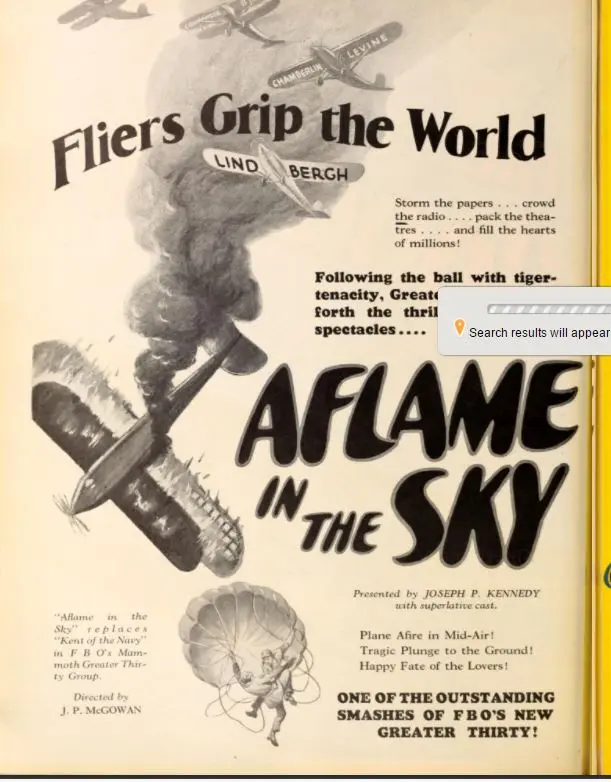
Is Aflame in the Sky worth your time in the modern era? Short answer: Yes, but only if you approach it as a historical artifact of early genre-blending rather than a polished narrative experience.
This film is specifically for those who find the mechanical grit of 1920s aviation fascinating and can tolerate the melodramatic tropes of silent-era villains. It is definitely not for anyone who requires fast-paced editing or a villain with a nuanced moral compass.
1) This film works because the practical aviation stunts and the genuine isolation of the New Mexico setting create an atmosphere of peril that modern green-screen productions cannot replicate.
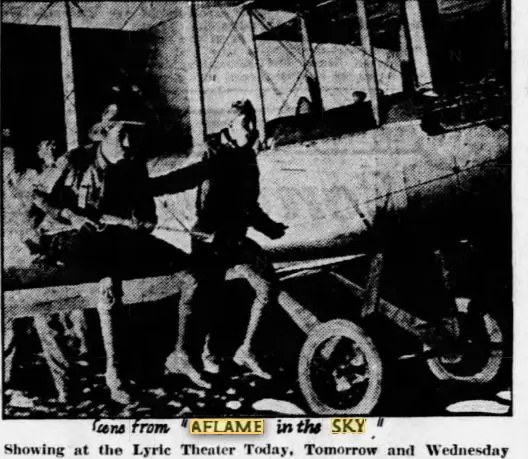
2) This film fails because the antagonist’s motivations are paper-thin, relying on the 'renegade foreman' archetype without providing any real psychological depth to his cruelty.
3) You should watch it if you are a fan of Mary Roberts Rinehart’s storytelling style or if you want to see a rare example of how early cinema attempted to turn technical innovation—like skywriting—into a plot device.
Aflame in the Sky is worth watching for its unique intersection of the Western and the Aviation genres. While many films of 1927 were moving toward the sophisticated urban dramas like those seen in some of the work of the era, this film stays grounded in the dirt and the wind. It captures a specific moment in American history where the frontier was being conquered not just by horses, but by engines. If you can appreciate the tactile nature of the props and the bravery of the stunt pilots, there is a lot to love here.
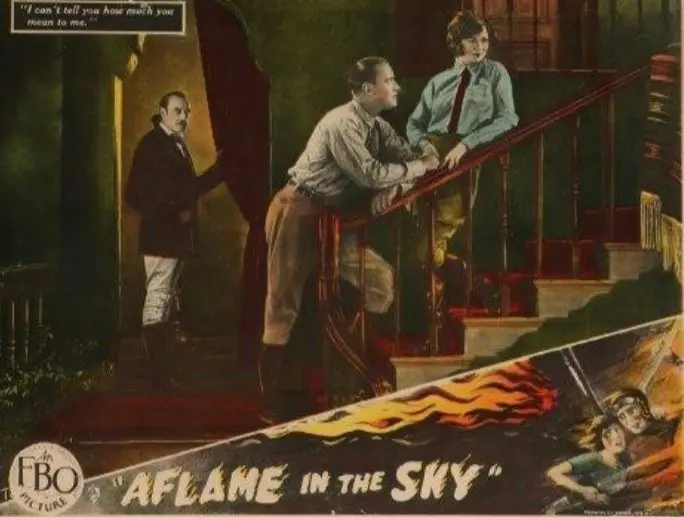
The premise of Aflame in the Sky is surprisingly modern for 1927. The idea of aviators experimenting with chemical gases for night skywriting feels like a precursor to the techno-thrillers we see today. However, the execution is purely of its time. The film uses the desert not just as a location, but as a secondary antagonist. The cinematography captures the vast, shimmering heat of New Mexico with a starkness that makes the aviators' small planes look like fragile insects. Compared to the more contained drama of The Misfit Wife, this film feels expansive and dangerous.
The direction by the uncredited leads (though heavily influenced by Ewart Adamson’s script) focuses heavily on the contrast between the high-flying machinery and the low-down tactics of the foreman. There is a specific scene where the aviators are working on their gas tanks, and the camera lingers on the oily, metallic textures. It’s a moment of quiet focus that builds a sense of realism before the melodrama kicks in. This attention to detail in the 'process' of aviation is the film's strongest suit.
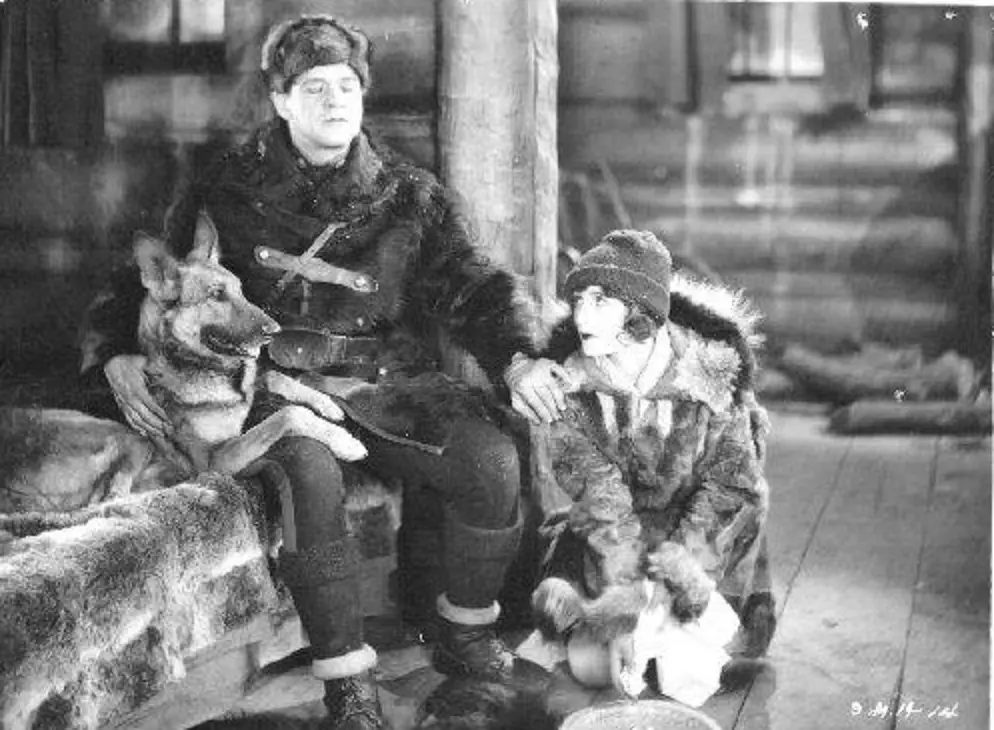
Jack Luden delivers a performance that is remarkably restrained for the silent era. He doesn't rely on the wild gesticulations that often plague films from this period. Instead, he carries himself with a physical competence that makes you believe he can actually fly those rickety planes. His chemistry with Sharon Lynn is functional, if not exactly electric, but the real standout in the cast is Ranger the Dog. In many ways, Ranger provides more emotional beats than the human actors, serving as the moral anchor for the group during the foreman's sabotage attempts.
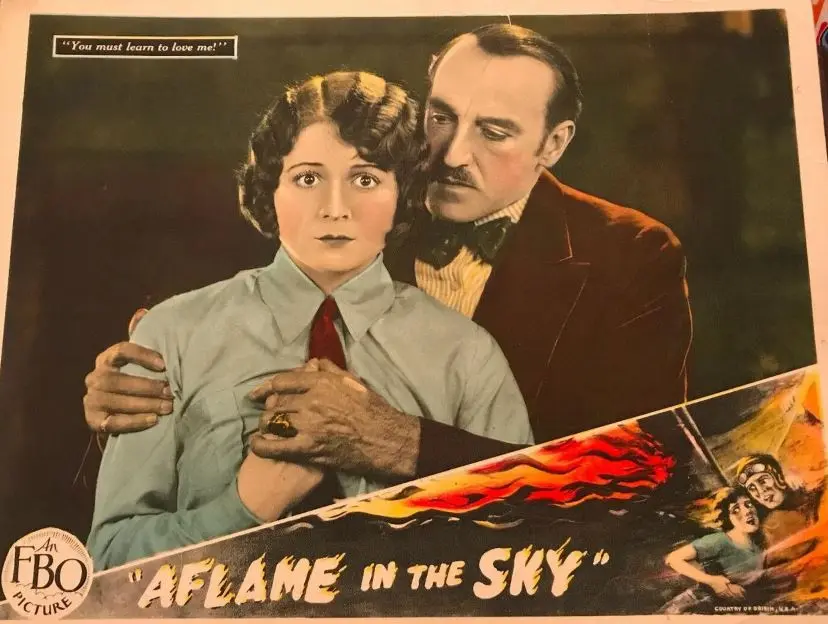
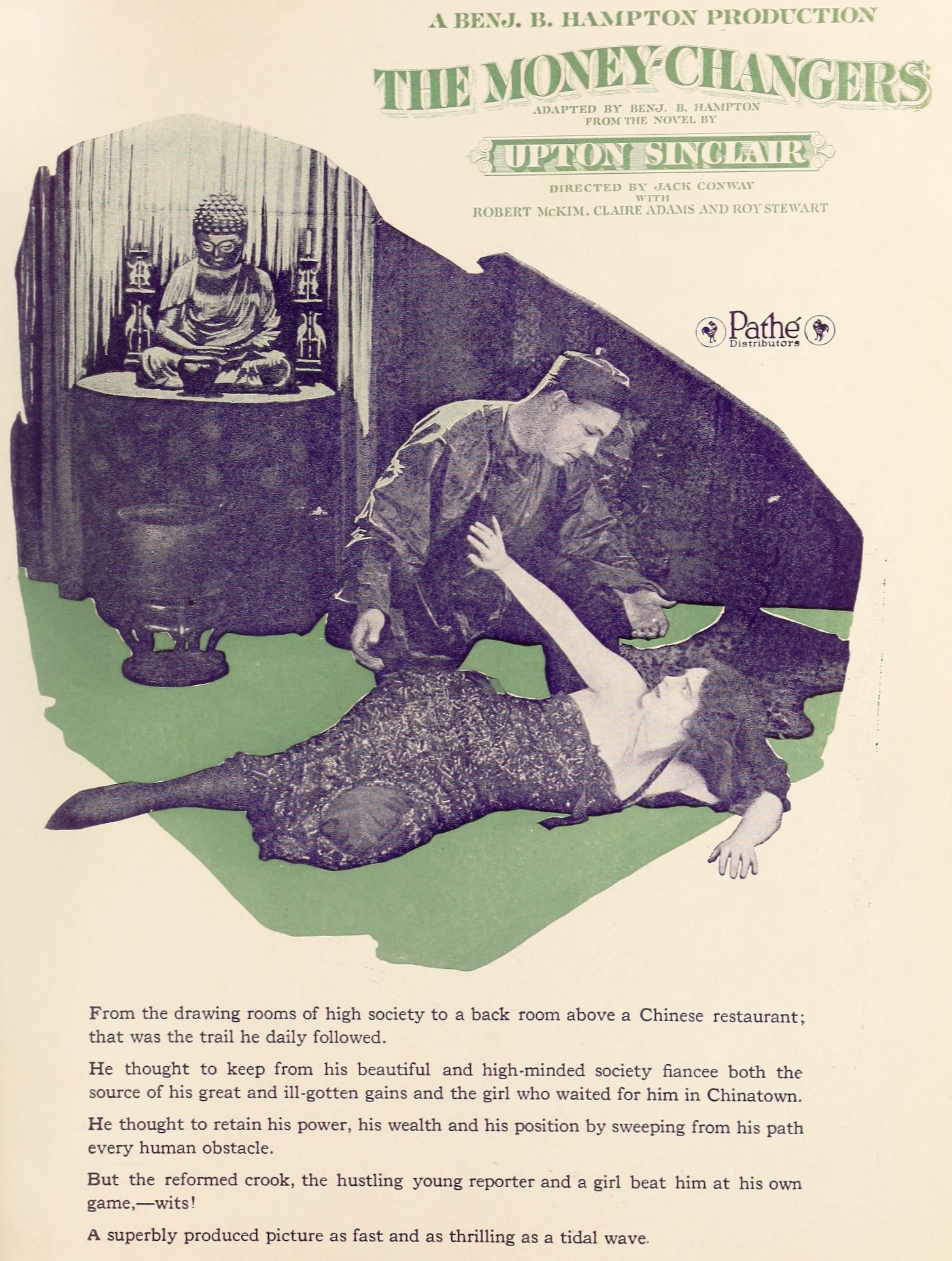
The villain, played by Robert McKim, is almost a caricature, but he plays it with a sneering intensity that makes his eventual demise in the desert feel earned. There is a brutal simplicity to his character: he wants what he wants, and he is willing to poison a water supply to get it. This lack of nuance might frustrate modern viewers who are used to complex anti-heroes, but in the context of 1927, he is the perfect foil for the clean-cut aviators. It’s a performance that reminds one of the stark moral lines drawn in Border Law.
The visual language of the film is dominated by the horizon. The camera often sits low to the ground, emphasizing the distance between the characters and any hope of rescue. When the foreman escapes into the desert without water, the film shifts into a survival horror mode that is genuinely unsettling. The use of natural light is harsh, and you can almost feel the dehydration through the screen. It lacks the stylized beauty of Sahara, opting instead for a gritty, documentary-like realism.
One specific shot stands out: a wide angle of a plane flying low over the desert floor, its shadow chasing it across the sand. It’s a simple shot, but it perfectly encapsulates the theme of the film—man’s fleeting dominance over an ancient, indifferent landscape. The pacing in these outdoor sequences is excellent, though it stumbles during the more dialogue-heavy interior scenes where the title cards have to do the heavy lifting.
While the script is co-written by the legendary Mary Roberts Rinehart, Aflame in the Sky doesn't quite reach the heights of her best mystery work. The plot is fairly linear, and the 'mystery' of the foreman’s motivation is nonexistent. The film relies on a series of escalating threats—first the woman, then the water, then the desert—to keep the audience engaged. It works, but it’s flawed. The transition between the aviation experiments and the rescue mission feels a bit clunky, as if two different short stories were stitched together.
However, Rinehart’s touch is visible in the way the characters interact under pressure. There is a sense of camaraderie among the aviators that feels authentic. They aren't just coworkers; they are a small tribe in a hostile land. This sense of community is what makes the foreman’s betrayal feel so personal. It’s a much more grounded approach than the theatricality found in The Scarlet Oath.
Aflame in the Sky is a rugged, unpolished gem of the late silent era. It doesn't have the artistic pretensions of the high-budget dramas of 1927, but it has a physical presence that is hard to ignore. The film’s willingness to let its villain die a slow, thirsty death in the desert is a bold choice that elevates it above standard melodrama. It is a film about the cost of progress and the unforgiving nature of the American West. It’s not a masterpiece, but it is a fascinating look at the birth of the modern adventure film. If you’ve seen Someone Must Pay or Hit-the-Trail Holliday, you will recognize the DNA of this era, but Aflame in the Sky adds a layer of mechanical wonder that sets it apart. It works. But it’s flawed. And that’s exactly why it’s worth the watch.

IMDb —
1914
Community
Log in to comment.