DbcultAccessing Vault...
Cult Review
Senior Film Conservator
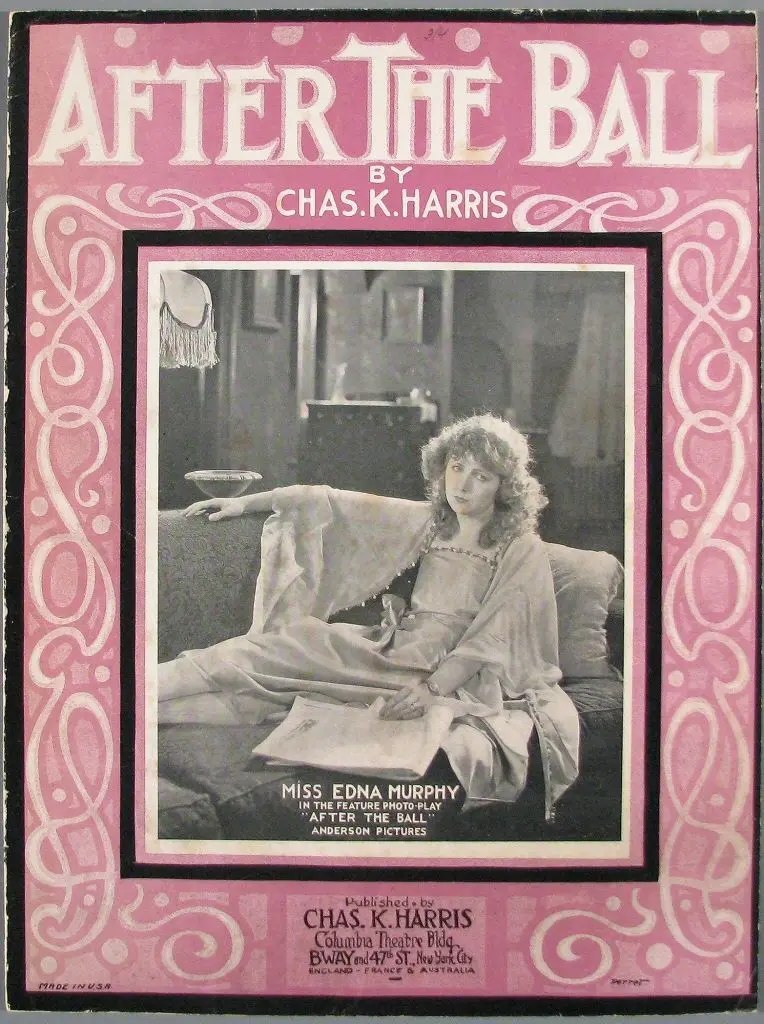
Amidst the bustling, vibrant backdrop of 1920s America, 'After the Ball' weaves a tale of mistaken identity, deception, and the unyielding power of love. The film, a product of its time, captures the essence of early Hollywood with its charming narrative and strong performances. This review delves into the intricacies of the plot, the excellence of the cast, and the enduring themes that make 'After the Ball' a gem in cinema history.
The story revolves around John, a carefree husband whose life takes an unexpected turn when he is wrongly accused of being a bandit. In a twist of fate, he is sentenced to prison, where he concocts a plan to protect his family from the harsh realities of his absence. John, played with a perfect blend of charm and resilience by Tom Guise, allows everyone, including his wife, to believe that he has died. His wife, Elizabeth, portrayed gracefully by Edna Murphy, navigates the challenges of life without her beloved husband, finding solace in their child. The narrative unfolds with a series of comedic misunderstandings and poignant moments, all leading to a climactic reunion that challenges preconceived notions of justice and truth.
As the years pass, the real bandit is caught and confesses to the crime for which John was convicted. This revelation sets the stage for a heartwarming reunion. The plot thickens with the introduction of a strong supporting cast, including Miriam Cooper as John's sister and Gaston Glass as a local sheriff, who plays a pivotal role in uncovering the truth. The chemistry between the actors is palpable, adding depth to the story and making the audience invest in the characters' journeys.
The screenplay, penned by Charles Harris and James Colwell, is a testament to the ingenuity of the era's screenwriters. The dialogue is sharp and witty, peppered with the humor and wit that defined the early film era. The script balances comedy with moments of genuine emotion, creating a narrative that resonates with audiences of all ages. The pacing is well-managed, ensuring that the film maintains a steady rhythm without overwhelming the viewer with excessive exposition or dialogue.
Technically, 'After the Ball' is a delight to watch. The cinematography, while not as advanced as today's standards, captures the essence of the era with a charming simplicity. The use of lighting and framing enhances the comedic moments, making the film visually appealing. The score, though not as complex as modern soundtracks, adds a layer of emotion to the narrative, complementing the on-screen action.
Comparatively, 'After the Ball' stands out among similar films of the era. It shares thematic elements with 'Snobs' and 'The Wood Nymph,' both of which deal with social commentary and the complexities of family life. However, 'After the Ball' excels in its execution, combining humor with a more profound exploration of human nature. Films like 'The Arrival of Perpetua' and 'A Girl of Yesterday' offer stark contrasts, focusing more on character development and social critique. In contrast, 'After the Ball' is a more balanced mix of comedy and drama, making it a unique and engaging viewing experience.
For fans of early Hollywood, 'After the Ball' is a must-see. It offers a glimpse into a bygone era while delivering a timeless story that speaks to universal themes. The film's ability to blend humor with emotional depth ensures that it remains relevant, even to contemporary audiences. Whether viewed as a historical piece or a stand-alone classic, 'After the Ball' stands as a testament to the enduring power of storytelling.
IMDb —
1922
Community
Log in to comment.