DbcultAccessing Vault...
6.5/10
Senior Film Conservator
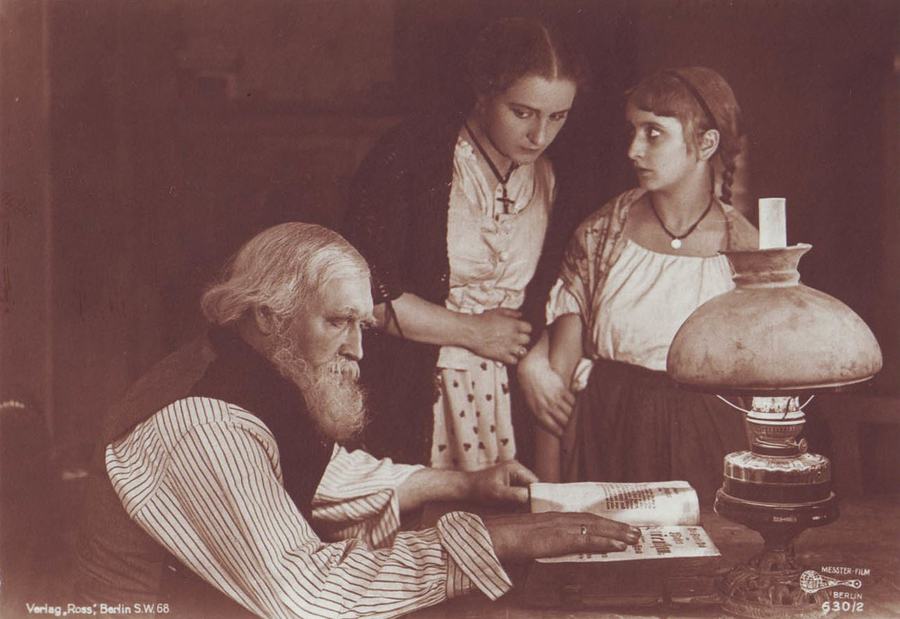
A definitive 6.5/10 rating for a film that redefined the boundaries of cult cinema. Rose Bernd remains a cornerstone of transgressive art.
The 1919 iteration of Rose Bernd, directed by Alfred Halm, stands as a monumental achievement in the transition from the simplistic melodramas of early cinema to the psychologically dense, socially conscious narratives that would soon define the Weimar era. It is a film that breathes the heavy, damp air of the Silesian fields, capturing a moment where the burgeoning medium of film finally found the vocabulary to articulate the crushing weight of class and gender dynamics. Unlike the more escapist fare seen in Women's Weapons, this adaptation of Gerhart Hauptmann’s play refuses to grant its protagonist any easy victories, choosing instead to document a slow-motion collision with destiny.
Before Rose Bernd, Henny Porten was largely perceived as the 'sweetheart' of the German public—a figure of virtuous, often sanitized femininity. In this role, however, she undergoes a radical metamorphosis. Her Rose is not merely a victim; she is a woman of immense physical vitality and latent sensuality, which makes her eventual hollowed-out state all the more devastating. Porten utilizes her entire frame to convey the burden of her secret. As the film progresses, the luminous quality of her gaze, so prevalent in her earlier works, is replaced by a haunted, thousand-yard stare that seems to pierce the very fabric of the screen. Her performance bridges the gap between the theatricality of the stage and the intimate mimesis required by the camera, a feat that few of her contemporaries could match.
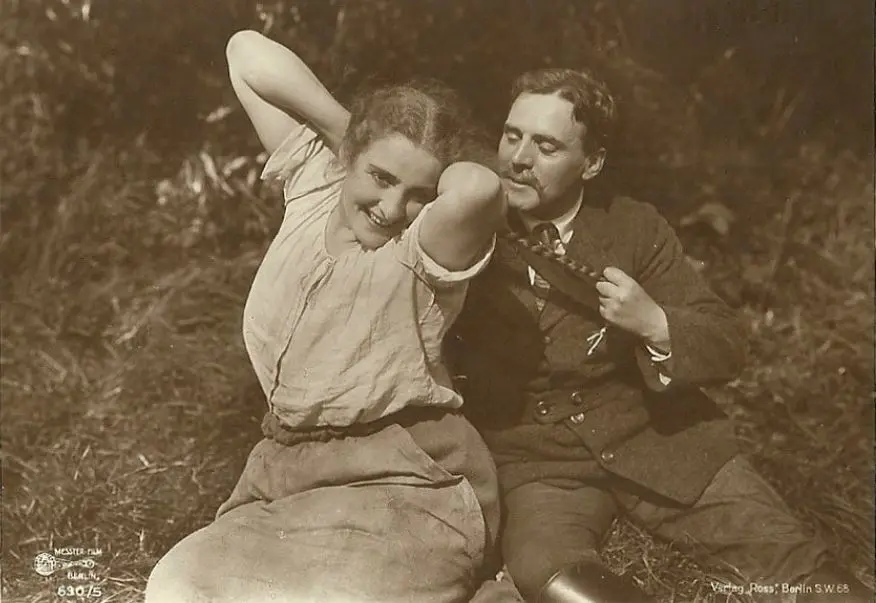
When we compare her trajectory to the characters in Poludevy, we see a much more grounded, visceral exploration of social ostracization. Porten doesn't play for the rafters; she plays for the gut. Every flinch when Streckmann approaches, every moment of forced levity with her father, is a masterclass in the internal monologue of the oppressed.
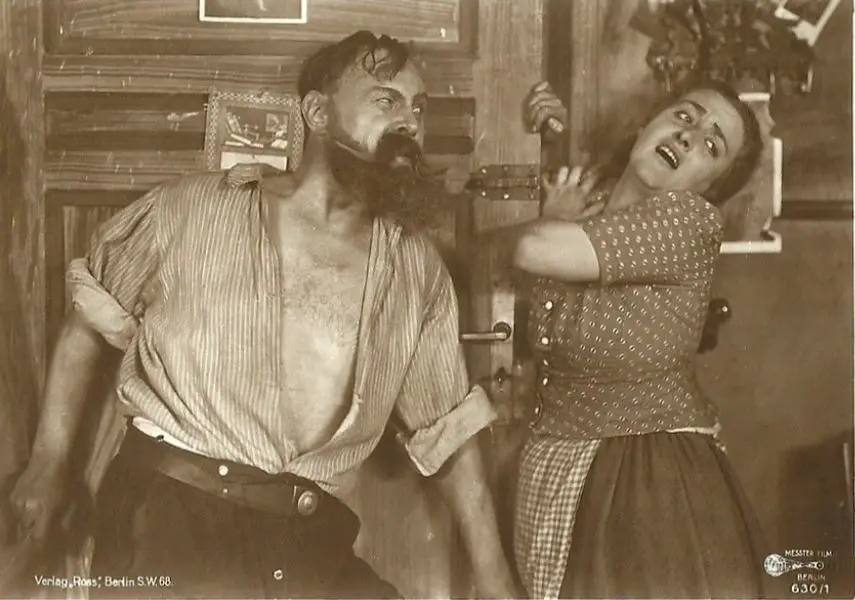
Opposite Porten is the formidable Emil Jannings as Arthur Streckmann. Jannings, even at this early stage in his career, possessed a gravitational pull that could tilt the balance of any scene. His Streckmann is a masterpiece of low-level villainy—not a mustache-twirling antagonist, but a man driven by a toxic cocktail of lust and the desire for social leverage. He represents the encroaching industrial age, a machinist who views Rose as just another piece of equipment to be manipulated. The chemistry between Porten and Jannings is fraught with a tension that feels dangerously modern; it is the friction between a woman trying to claim her own life and a man who believes he has a right to it by virtue of his knowledge of her 'sins.'
The challenge of adapting Hauptmann lies in his use of dialect and the hyper-specific 'milieu' of his characters. Alfred Halm and writer Alfred Halm (adapting the source) compensate for the lack of spoken dialect through an aggressive focus on texture. We see the sweat on the brows of the harvesters, the dust of the roads, and the stark, unforgiving geometry of the village architecture. This isn't the stylized, dreamlike world of Die Gespensteruhr; it is a world of dirt and consequence. The cinematography captures the duality of the landscape: it is both a source of life and a prison. The wide shots of the fields emphasize Rose's isolation, making her appear as a solitary speck against an indifferent horizon.
This commitment to realism elevates the film above the typical 'fallen woman' tropes found in movies like Parasites of Life. Where other films might lean into the sensationalism of the 'downward spiral,' Rose Bernd maintains a somber, almost clinical interest in the mechanics of social destruction. The courtroom scenes, in particular, are handled with a restraint that highlights the absurdity of a legal system attempting to adjudicate the complexities of the human heart.
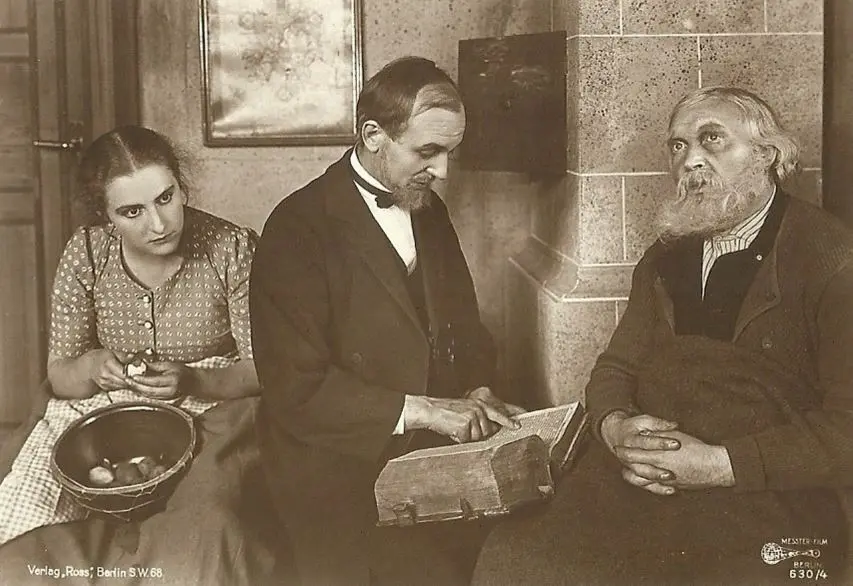
One cannot discuss the tragedy of Rose without addressing August Keil, played with a pathetic, sickly devotion by Paul Bildt. August represents the 'safe' choice—the pious, physically weak bookbinder who offers Rose a path to respectability. However, his brand of Christianity is one of suffocating judgment disguised as mercy. He is a character who loves the idea of Rose's redemption more than he loves Rose herself. His presence adds a layer of theological horror to the film, suggesting that even 'good' men are complicit in the structures that destroy women like Rose. This nuanced portrayal of religious hypocrisy is far more sophisticated than the binary moralities often seen in American imports of the era, such as The Battle Cry of Peace.
The climax of the film—the birth and subsequent death of Rose's child—is handled with a jarring, elliptical intensity. Halm avoids the gratuitous, focusing instead on the psychological fracturing of the protagonist. Rose's decision is not presented as an act of malice, but as a desperate attempt to shield a new life from the same predatory world that has consumed her. It is an act of twisted altruism, a final, horrific reclamation of agency. In this moment, the film transcends its naturalist roots and enters the realm of pure tragedy, echoing the dark themes explored in The Knife regarding the limits of human sanity under duress.
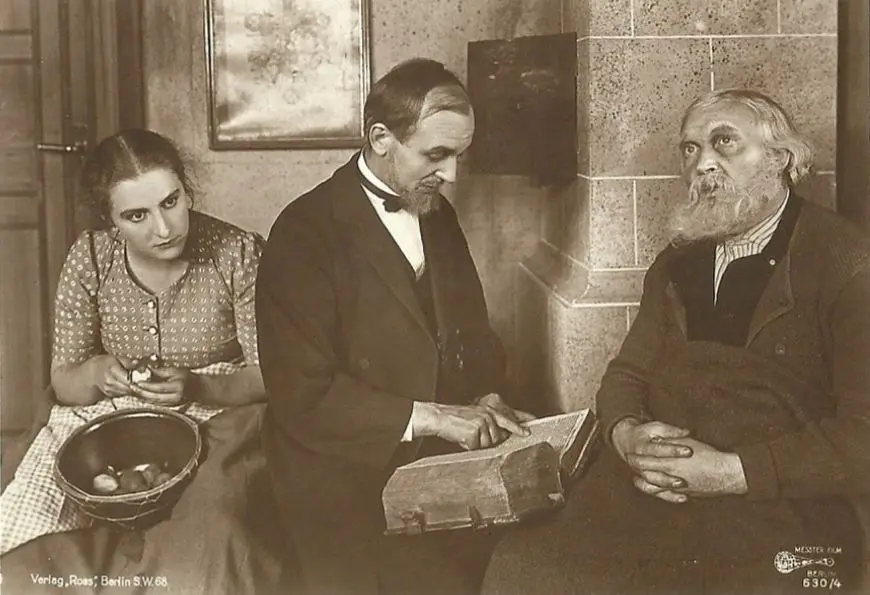
The final sequences, where Rose is confronted by the men who have dismantled her life, are among the most harrowing in silent cinema. The screen seems to shrink around her, the shadows lengthening as the community closes in to deliver its final verdict. There is no catharsis here, only the cold realization that the 'order' of the village has been restored at the cost of a human soul.
Technically, the film is a marvel of its time. The use of lighting to differentiate between the public spaces of the village and the private, shadowed corners where Rose meets her tormentors is subtle yet effective. The editing pace, particularly during the sequences of Rose’s mounting panic, anticipates the rhythmic montage techniques that would later be perfected in the 1920s. While it may lack the overt stylization of In the Power of Opium, its power lies in its restraint. It doesn't need distorted sets to convey a distorted world; the reality of the characters' lives is distorted enough.
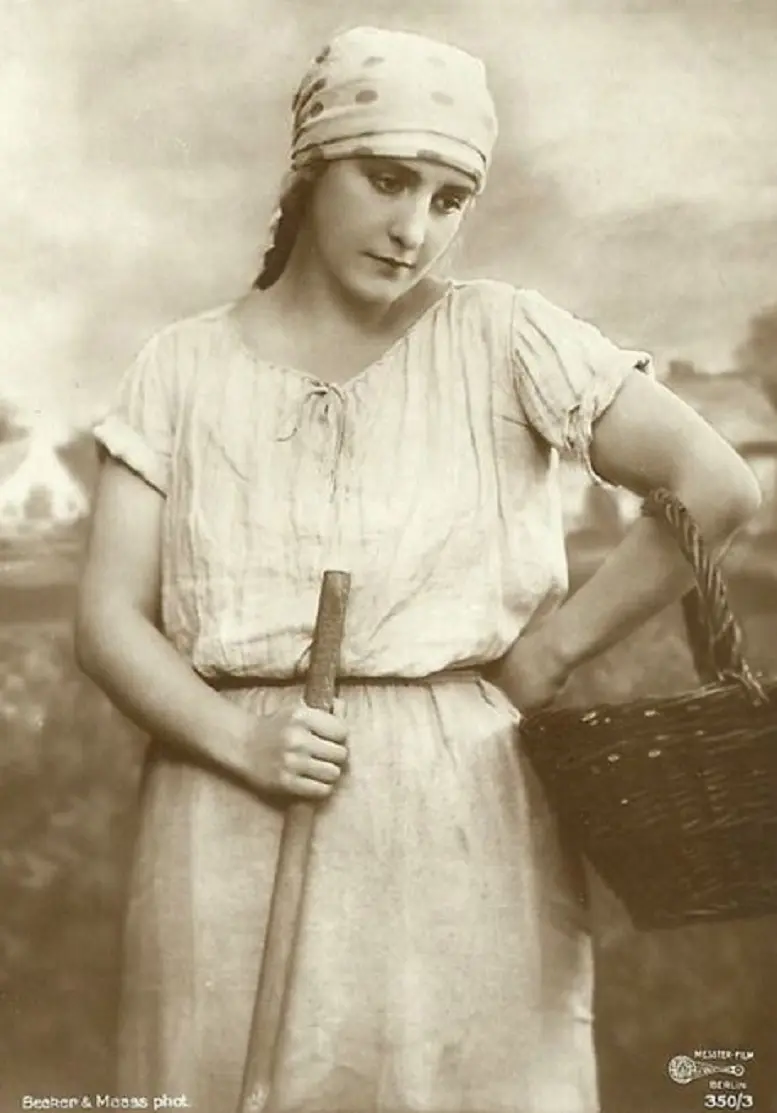
Comparing Rose Bernd to other contemporary works like The Slave or A Viuvinha reveals a stark difference in intent. While many films of 1919 were still grappling with Victorian sensibilities or the aftermath of the Great War through metaphor, Rose Bernd looks directly into the sun of social inequity. It is a proto-feminist text that recognizes the economic and social dependencies that make 'virtue' a luxury the poor cannot afford.
In the final analysis, Rose Bernd remains a vital piece of cinematic history not just for its performances or its pedigree, but for its uncompromising empathy. It refuses to look away. It demands that the viewer acknowledge the human cost of a society built on the subjugation of the vulnerable. As we watch Rose disappear into the darkness of her own mind, we are reminded that the 'naturalism' Hauptmann championed was not just a literary style, but a mirror held up to the darkest corners of the human condition. It is a film that lingers long after the final frame, a ghost in the machine of early cinema that continues to haunt our understanding of justice and mercy.
For those seeking to understand the roots of German cinematic excellence, this film is an essential text. It occupies a space between the old world and the new, much like the characters it portrays, caught in the gears of a history that is indifferent to their survival.
IMDb —
1920
Community
Log in to comment.