DbcultAccessing Vault...
Cult Review
Senior Film Conservator
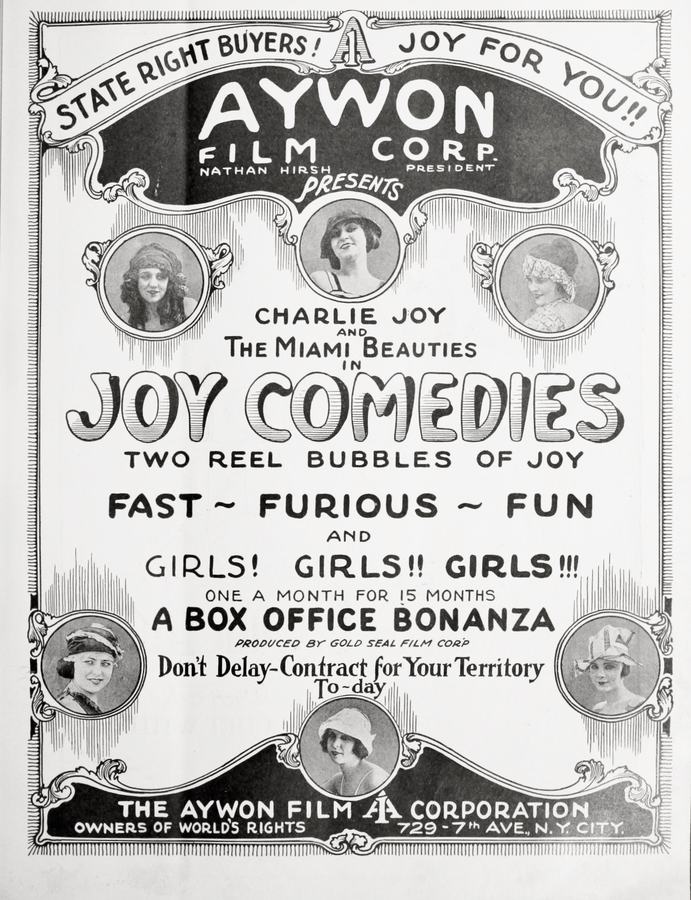
The cinematic landscape has long been inhabited by adaptations of literary classics, each offering a distinct perspective on the original narrative. When Dr. Quackell Did Hide is a paradigmatic example of such an adaptation, presenting a comedic take on Robert Louis Stevenson's iconic tale, 'Strange Case of Dr Jekyll and Mr Hyde'. This film, with its ingenious writing and superb acting, delves into the complexities of the human psyche, navigating the intricate dance between good and evil, all while maintaining a lighthearted, humorous tone.
At the heart of the narrative is the enigmatic Dr. Quackell, played by Edgar Jones with remarkable flair. Jones's portrayal of the character is a masterclass in acting, as he effortlessly transitions between Quackell's benevolent persona and the malevolent nature of his alter ego, Mr. Hyde. This dichotomy is the central theme of the film, expertly explored through a series of comedic misadventures and poignant moments of introspection. The audience is thus presented with a multifaceted character, whose complexity is both captivating and relatable.
The writing, courtesy of Charlie Joy, is a significant factor in the film's success. Joy's script is replete with clever dialogue and humorous situations, which serve to underscore the comedic elements of the narrative. However, it is the manner in which Joy balances these lighthearted moments with the darker undertones of the story that truly showcases his skill as a writer. This balance is reminiscent of films like The Natural Law and Vampyrdanserinden, which also explore the human condition through a blend of humor and pathos.
The film's thematic depth is further enhanced by its exploration of the duality of human nature. This concept, while not new to cinema, is presented with a freshness and originality that sets When Dr. Quackell Did Hide apart from other films that have tackled similar subjects, such as One Week of Life and When Love Was Blind. The manner in which the film navigates the complexities of this theme, often using humor as a vehicle for deeper commentary, is a testament to the creativity and vision of its makers.
Visually, the film is a treat, with a palette that oscillates between the dark, muted tones that reflect the character's inner turmoil and the brighter, more vibrant colors that signify his comedic misadventures. This visual dichotomy is akin to the narrative's thematic explorations, serving to underscore the film's central premise. The use of dark orange and yellow hues in certain scenes adds a layer of depth to the visual storytelling, symbolizing the character's emotional journey and the film's thematic concerns.
In comparison to other films that have explored similar themes, such as A fekete szivárvány and The Ringtailed Rhinoceros, When Dr. Quackell Did Hide stands out for its unique blend of humor and pathos. The film's ability to balance these elements, creating a narrative that is both entertaining and thought-provoking, is a significant achievement. This balance is also evident in films like Red Powder and Qristine, which similarly explore complex themes through a mix of genres.
Furthermore, the film's exploration of the human condition, with all its complexities and contradictions, is reminiscent of cinematic classics like The Love Flower and The Splendid Sinner. These films, like When Dr. Quackell Did Hide, delve into the deeper aspects of human nature, presenting characters that are multifaceted and relatable. The manner in which these films, and When Dr. Quackell Did Hide in particular, navigate the complexities of the human psyche is a testament to the power of cinema as a medium for storytelling and exploration.
In conclusion, When Dr. Quackell Did Hide is a film that defies easy categorization, blending elements of comedy, drama, and social commentary to create a unique cinematic experience. With its talented cast, adept writing, and thoughtful direction, this film is a must-see for anyone interested in exploring the complexities of the human condition. Whether viewed in the context of its literary predecessor or as a standalone work, When Dr. Quackell Did Hide is a masterpiece of modern cinema, offering insights into the human experience that are both profound and profoundly entertaining. The film's themes and motifs are also echoed in other cinematic works, such as The Heroine from Derna and Appearance of Evil, which similarly explore the intricacies of human nature and the consequences of one's actions.
The film's cinematography, with its use of sea blue tones to convey a sense of melancholy and introspection, adds another layer of depth to the narrative. This visual element, combined with the film's thematic explorations, creates a rich and immersive cinematic experience that invites the viewer to reflect on the complexities of the human condition. In this sense, When Dr. Quackell Did Hide is not just a film, but an experience that lingers long after the credits roll, a testament to the enduring power of cinema to captivate, educate, and inspire.
As a work of cinematic art, When Dr. Quackell Did Hide is a significant achievement, offering a unique perspective on the timeless themes of human nature, morality, and the struggle between good and evil. The film's ability to balance these complex elements, creating a narrative that is both entertaining and thought-provoking, is a testament to the skill and vision of its creators. In the broader context of cinematic history, When Dr. Quackell Did Hide stands alongside other classics, such as Les Misérables, Part 1: Jean Valjean and A Romance of Burke and Wills Expedition of 1860, as a powerful exploration of the human experience. The film's themes and motifs are also reflected in other works, such as Our Little Wife, which similarly explores the complexities of human relationships and the consequences of one's actions.
IMDb —
1936
Community
Log in to comment.