DbcultAccessing Vault...
5.2/10
Senior Film Conservator
A definitive 5.2/10 rating for a film that redefined the boundaries of cult cinema. After the Ball remains a cornerstone of transgressive art.
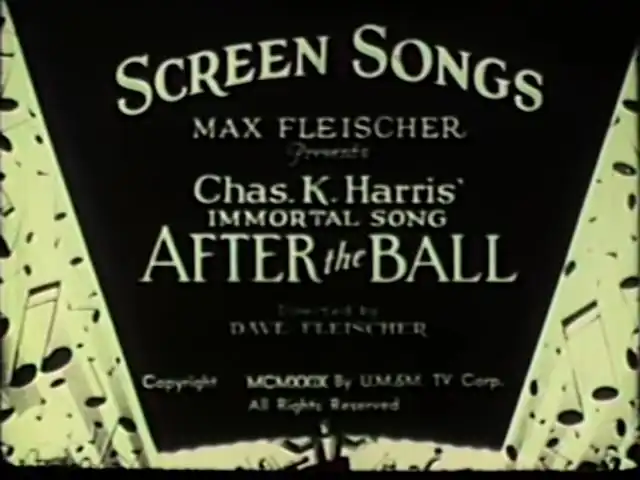
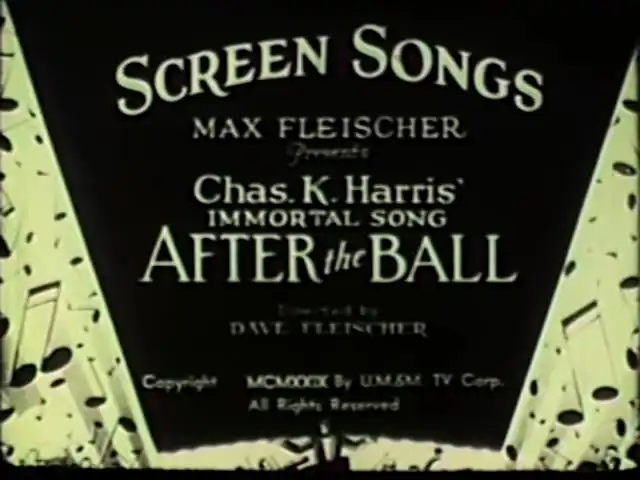
So, you’re thinking about watching After the Ball, that Fleischer cartoon from way back in 1929? Well, it’s not for everyone, I gotta say. If you’re really into animation history, or maybe just someone super curious about early, early films, then yeah, give it a shot. But for most folks? You'll likely find it pretty slow. Still, it’s a neat little time capsule if you know what you’re looking at. 🕰️
The whole premise is Fitz the Dog "helping" Charles K. Harris write his famous song, "After the Ball." Now, "helping" here mostly just means Fitz being a bit of a nuisance, but in that charming, old-timey cartoon way. Charles K. Harris, played by Dave Fleischer, mostly just sits there at a desk trying to compose, looking kinda stressed.
Fitz, our star, is a very typical early cartoon dog. He bobs. He weaves. His limbs kinda stretch and squash in ways that only make sense in a pre-Disney, rubber-hose world. There's this one bit where he’s trying to hold a pen and it’s just too big for his little paw. It’s a simple gag, but it kinda works.
You can tell they were still figuring things out back then, you know? The pacing is odd; sometimes a scene will just hang there for an extra beat, almost like they weren’t sure how to cut it. Or maybe they just liked the silence. The music is pretty standard, those tinkly piano numbers from that era. And the sound quality? Well, it's 1929. Don't expect crystal clear audio.
What really sticks out is how much Fitz tries to get involved with the sheet music. He keeps nudging it, pulling at it, even trying to chew on it. It’s like he thinks the paper itself is the problem, or maybe he just really, really wants attention. Who knows with dogs, right? He has this one ear, too, that flops around in a way that sometimes feels deliberately silly, sometimes just… loose.
There's a moment Harris is really struggling, looking at a blank page. Then Fitz gets up on the piano bench and starts hitting some random keys. It’s not exactly a concerto, but it’s enough to give Harris an "aha!" moment, and he starts writing. Dog plays piano, song gets made. Simple as that. 🎹 The transition from struggle to inspiration feels a bit sudden, to be honest.
It's definitely a product of its time. The animation is a bit rough around the edges, especially if you're used to anything from, say, the 1940s onwards. But that’s part of the charm, I think. You see the effort, the early experimental energy. It’s unapologetically old.
One shot just lingers on Harris's face as he's thinking. He looks so serious. Then Fitz does something silly off-screen, like chasing his tail, and Harris barely reacts. It’s a very contained, almost stage-play feel for a cartoon. You don't get a lot of big, sweeping gestures here, which makes the small gags stand out even more.
Honestly, it’s less about the story — which is thin as paper, let's be real — and more about just watching this early animation style in action. Like a peek into a sketchbook from nearly a century ago. You won't be blown away, but you might appreciate the historical footprint it leaves.🐾 It’s just... there. A little piece of the past.
IMDb —
1915
Community
Log in to comment.