DbcultAccessing Vault...
5.3/10
Senior Film Conservator
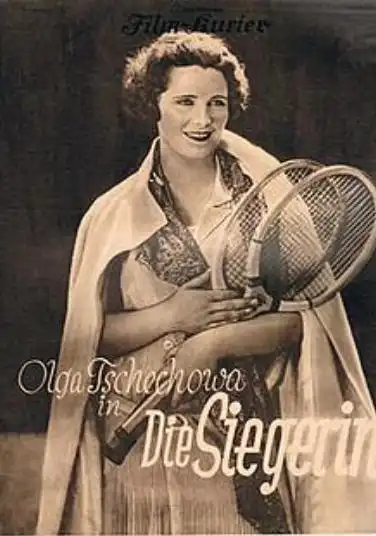
A definitive 5.3/10 rating for a film that redefined the boundaries of cult cinema. After the Verdict remains a cornerstone of transgressive art.
So, you’re thinking about diving into a silent film from 1929? 🧐 Well, After the Verdict is one of those that, surprisingly, might just hold your attention. If you’re into old mysteries, especially ones where every single expression matters, you’ll probably find some real enjoyment here. But if you need snappy dialogue or constant action to stay engaged, this one might feel like watching paint dry. It really isn't for everyone, I'll say that upfront.
The core of it is a pretty classic setup: a tennis star’s fiancé, a man named Eric, played by Henry Victor, gets framed for killing his wife. And this wife, well, she’s presented as quite the flirt. Olga Tschechowa plays her, and even without words, she gives off this real restless energy. You can tell she’s not exactly happy, always looking for something, someone, else.
There’s this early scene, after the wife’s found dead, and Eric is just… *there*. Henry Victor does a good job of looking bewildered, then slowly, terrifyingly, realizing he’s the target. It’s not a big, dramatic breakdown, just a slow creep of dread. The Testing Block, a different film, had a similar quiet panic in its lead at one point, but this felt more internal.
The director, Henrik Galeen, really leans into faces here. And the shadows! Oh man, the shadows are doing a lot of work. When Eric is interrogated, the light just hits his face in a way that makes him look instantly guilty, even though you know he’s not. It’s a trick, obviously, but it’s an effective one. You can almost feel the movie trying to convince you this moment matters, you know?
Betty Carter, as the kind-hearted friend who believes him, is also a standout. Her expressions are so genuine. There’s one shot where she’s just listening to Eric, and her eyes, they just speak volumes. Pure belief, pure worry. It’s a nice counterpoint to all the suspicion swirling around.
Pacing wise, it’s a silent film, so don't expect things to fly by. But it doesn’t drag *too* much. There are these little moments, like when a character picks up a specific object, a letter maybe, and the camera just holds on it for a beat. It’s almost like it’s giving you time to read the invisible text, to feel the weight of what’s happening.
The plot, with the wife being ‘flirtatious,’ felt a little… convenient, maybe? Like, it’s the easy way to make her seem deserving of her fate, or at least to provide a clear motive for someone else. But the film mostly sidesteps making it feel too preachy. It’s more about the mechanics of the frame-up.
One detail that sticks with me is a quick shot of a tennis trophy on a mantelpiece. It’s just there, in the background, a silent reminder of Eric’s former life, before all this murder stuff. It feels almost like a small, sad joke that his whole world got turned upside down over something so… petty, really.
There’s a courtroom scene, naturally. And it has that classic silent film drama. The jury looking stern, the lawyers gesturing wildly. It’s a bit over-the-top, but that’s part of the charm, isn't it? The crowd scenes have this oddly empty feeling sometimes, like half the extras wandered off for a tea break, but then a reaction shot of one old woman will totally pull you back in. Just a quick flash of fear in her eyes. It’s those tiny things.
The movie really gets noticeably better once it stops trying to set up all the players and just focuses on Eric’s desperate attempts to prove his innocence. The detective work, such as it is, is shown through these very direct, almost theatrical actions. Someone finding a clue, reacting with wide eyes. It's simple, but it works.
I also remember this really specific moment where someone is reading a newspaper headline about the case. The camera pushes in on the paper, and then quickly cuts to Eric, who’s just staring, completely broken. It's a simple sequence, but it really hammers home the public shame he's enduring. You can’t help but feel for him, even if he is just acting with his face.
So, yeah. After the Verdict. It’s not going to blow your mind with special effects or anything. But for a quiet evening, a bit of old-school tension, and some truly expressive acting from Henry Victor and Betty Carter? Worth a look. It’s a neat little piece of cinema history that still manages to tell a story pretty well. Definitely better than just an old relic.
IMDb 5.4
1931
Community
Log in to comment.