DbcultAccessing Vault...
Cult Review
Senior Film Conservator
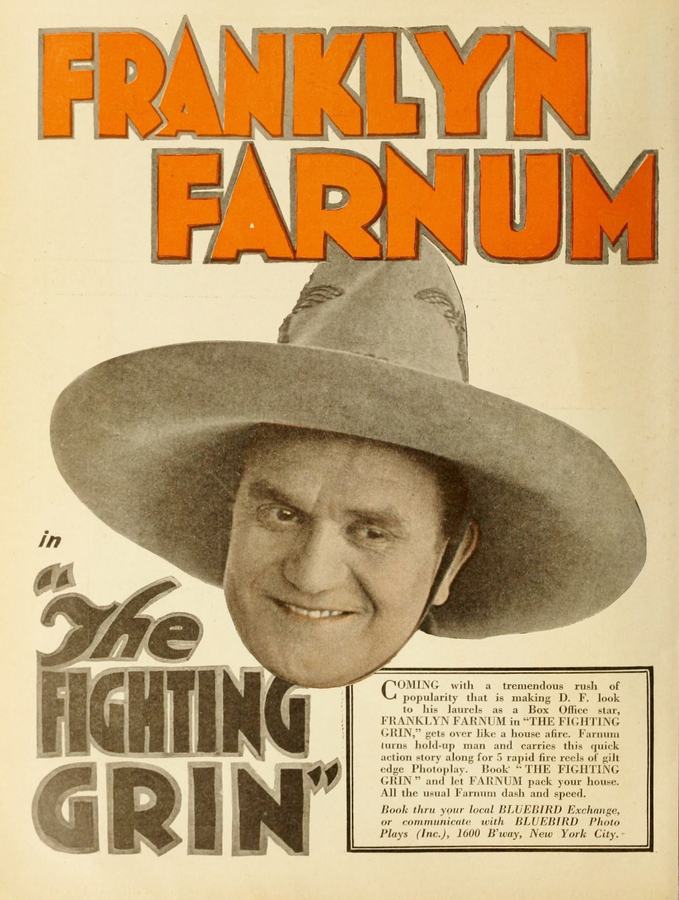
Stepping into the flickering, sepia-toned world of early cinema, one often encounters narratives that, while seemingly simplistic by modern standards, hum with an undeniable vitality and charm. Such is the case with The Fighting Grin, a delightful romp from an era when storytelling was a delicate dance between visual pantomime and the stark pronouncements of intertitles. This film, a spirited concoction of romantic yearning, familial discord, and unexpected adventure, serves as a poignant reminder of the foundational elements that would eventually define the romantic comedy genre. It’s a testament to the enduring appeal of a well-told story, even when devoid of spoken dialogue, offering a window into the societal mores and entertainment sensibilities of its time.
At its heart, The Fighting Grin unfurls a narrative as old as time itself: two young lovers, Billy Kennedy and Margie Meredith, caught in the crosscurrents of their fathers' intractable feud. This isn't merely a disagreement; it's an entrenched, almost theatrical opposition that casts a long shadow over their children's aspirations. Billy, portrayed with a youthful exuberance by Franklyn Farnum, is no passive suitor. He’s a man of action, and crucially, a man of audacious bets. His audacious wager of ten thousand dollars with his father, Otis Kennedy (Fred Montague), that he will marry Margie within the week, sets the entire madcap plot into motion. This isn't just a declaration of love; it's a gauntlet thrown, a challenge to patriarchal authority, and a delightful subversion of the traditional romantic narrative where the hero merely woos. Here, he gambles, adding a layer of thrilling, almost reckless determination to his character. One might even draw a parallel to the spirited defiance seen in certain characters in The Book Agent, where personal ambition drives much of the narrative, albeit in a different context. The stakes, both romantic and financial, are palpably high, lending a brisk urgency to the unfolding events.
The initial rendezvous of the star-crossed lovers is, predictably, interrupted with a comedic flourish by their feuding fathers. This scene, a masterclass in silent film slapstick and timing, perfectly establishes the tone: lighthearted, yet underscored by genuine obstacles. The fathers, embodying stubborn tradition and petty rivalry, become the primary antagonists, not out of malice, but out of a deeply ingrained, almost absurd, opposition. Their relentless pursuit and interference propel Billy and Margie into a desperate, yet romantically charged, scheme: to elope by train, seeking the anonymity and promise of a new life out West. Specifically, their destination is a ranch near Silverspur, Arizona, a locale that immediately evokes the cinematic tropes of the American frontier – a place of freedom, rugged individualism, and the potential for a fresh start. This westward migration, a common motif in early American cinema, often signified escape and the forging of new destinies, much like the journey undertaken in The Range Boss, though with far more comedic undertones here.
However, the fathers are not easily outwitted. Their discovery of the elopement plan leads to one of the film's most memorable sequences: Billy’s forcible confinement in a freight car. This pivotal moment marks a significant transformation for our protagonist. Stripped of his conventional attire and thrust into an environment of grimy anonymity, Billy’s journey truly begins. He dons the attire of a tramp, a symbol of his newfound freedom from societal expectations, but also a sign of his vulnerability. This is a recurring motif in storytelling – the hero stripped bare, forced to rely on wit and resilience. The subsequent, utterly farcical, exchange of his newfound tramp's clothing with a bandit amplifies the comedic chaos. Billy, now not just a tramp but a bandit's doppelgänger, is plunged into a delightful identity crisis, setting the stage for misunderstandings and further comedic complications. This rapid succession of costume changes and identity shifts, while played for laughs, subtly underscores the malleability of appearance and the arbitrary nature of social roles.
Meanwhile, Margie Meredith, portrayed by the expressive Edith Johnson, faces her own ordeal. Her father, in a desperate bid to thwart the forbidden union, forces her into a marriage with the utterly unappealing, milksop Harold De Vanderveer (J. Morris Foster). Harold is the quintessential comedic villain – not menacing, but thoroughly insipid, a personification of everything Margie does not desire. This forced marriage, a trope that could easily lean into melodrama, is deftly handled here with a light touch, its seriousness undercut by the unfolding absurdities. The audience understands the gravity of Margie's situation, yet simultaneously anticipates the inevitable unraveling of this sham union. The film cleverly builds tension around this development, knowing full well that the resolution will be both satisfying and, undoubtedly, humorous. The plight of a woman forced into an undesirable marriage, though often played for high drama in films like Her Wayward Sister, here becomes a comedic device, highlighting the absurdity of patriarchal control.
The grand reveal, however, is reserved for the 'minister' officiating Margie’s forced ceremony. In a stroke of narrative genius, it is none other than the very bandit who had earlier relieved Billy of his clothes. This circular plot device is a marvel of early screenwriting, tying together seemingly disparate threads into a coherent, uproarious climax. The bandit-cum-minister is a character brimming with comedic potential, his dual role exposing the superficiality of the forced marriage. This revelation transforms a potentially tragic situation into an opportunity for escape and triumph. It’s a moment that elicits not only laughter but also a collective sigh of relief, as the audience knows that justice, in the romantic sense, is about to be served.
Seizing this incredible stroke of luck, Billy and Margie, with a renewed sense of purpose and a dash of daring, steal away to a *real* minister, finally securing their legitimate union. This triumphant moment is the culmination of their trials and tribulations, a testament to their unwavering love and resilience. The resolution is not merely a happy ending for the lovers; it’s a victory for autonomy and genuine affection over arbitrary familial opposition. And, of course, Billy wins his ten-thousand-dollar bet, a delightfully tangible reward for his steadfastness and ingenuity. This monetary victory, while a comedic flourish, also serves as a symbolic triumph over the very forces that sought to keep him and Margie apart. It's a pragmatic win that perfectly punctuates the romantic idealism, grounding the fantasy in a very real, albeit humorous, consequence.
Beyond the immediate satisfaction of the lovers’ triumph, The Fighting Grin offers a surprisingly nuanced resolution to the fathers' long-standing feud. Their differences, once seemingly insurmountable, finally dissolve in the wake of their children’s successful union. This reconciliation, while perhaps a touch idealistic, provides a heartwarming conclusion, underscoring the idea that love, ultimately, has the power to bridge divides, even the most entrenched ones. It suggests a generational shift, where the stubbornness of the old guard gives way to the inevitable progress of young love. This theme of reconciliation, albeit on a grander, more dramatic scale, can be seen in films that explore societal healing, though here it is delivered with a light touch rather than the gravitas of a historical epic like Under Four Flags.
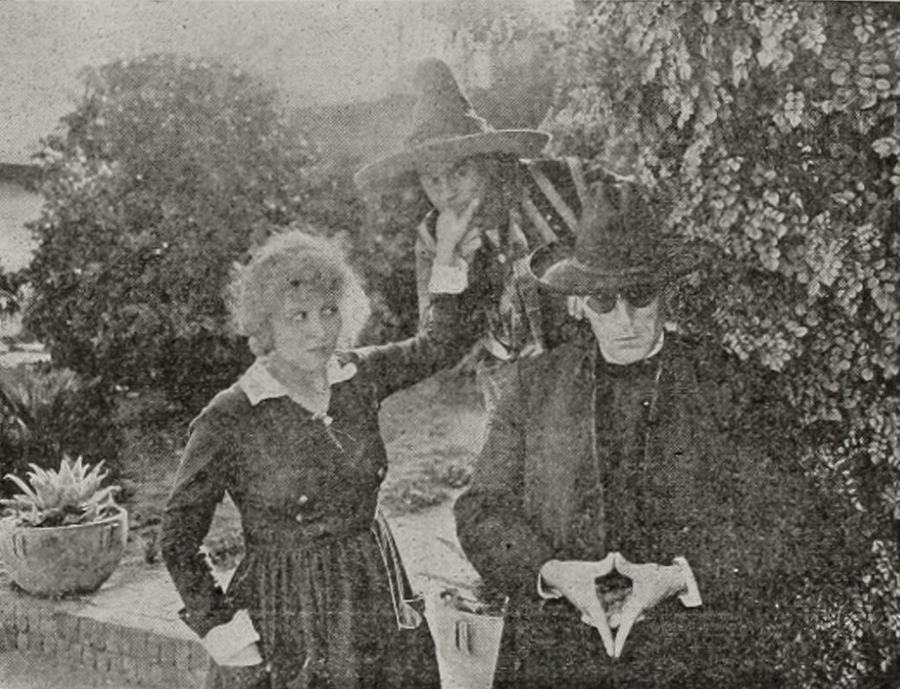
The performances in The Fighting Grin are, for their time, remarkably engaging. Franklyn Farnum as Billy Kennedy brings a compelling blend of boyish charm and resolute determination. His physical comedy, particularly during the tramp and bandit sequences, is executed with a commendable finesse, allowing the audience to empathize with his plight even as they chuckle at his predicaments. Edith Johnson’s Margie Meredith is equally captivating, conveying strength and vulnerability without uttering a single word. Her expressions, her gestures, and her overall demeanor paint a vivid picture of a young woman caught between duty and desire. The supporting cast, particularly Fred Montague and Charles Hill Mailes as the feuding fathers, provide robust comedic foils, their exaggerated reactions and stubborn posturing driving much of the film's early humor. J. Morris Foster, as the unfortunate Harold De Vanderveer, perfectly embodies the 'milksop' character, making his eventual rejection all the more satisfying.
From a technical standpoint, the film showcases the nascent but rapidly evolving language of cinema. The pacing is brisk, a necessity for silent comedies designed to keep audiences entertained without dialogue. The use of intertitles is effective, providing just enough exposition and dialogue to propel the plot forward without bogging down the visual storytelling. The editing, while perhaps not as sophisticated as later works, is competent, ensuring a smooth transition between scenes and maintaining a coherent narrative flow. The choice of locations, from the domestic settings to the train journey and the Arizona ranch, provides a varied backdrop for the unfolding drama, adding visual interest and a sense of scope to the adventure. One can observe the foundations of narrative structure that would become staples, much like the precise storytelling in The Commanding Officer, albeit with a different genre focus.
The screenwriting team of Charles Kenyon, Robert N. Bradbury, and Frank Howard Clark deserves commendation for crafting a plot that, despite its numerous contrivances, remains consistently entertaining and surprisingly intricate. The clever use of the bandit character as both a plot device and a comedic catalyst is particularly noteworthy. It’s a script that understands the mechanics of farce and romantic comedy, deploying mistaken identities, forced marriages, and dramatic escapes with expert timing. The film’s ability to weave together these disparate elements into a cohesive and satisfying whole speaks volumes about the talent behind the camera and quill. This intricate plotting, while lighter in tone, echoes the careful construction of mysteries like Detective Craig's Coup, where every element serves a precise narrative function.
The Fighting Grin, in its unassuming charm, is more than just a relic of early cinema; it’s a vibrant, engaging piece of entertainment that holds up remarkably well. It captures the spirit of an era, reflecting societal anxieties about parental control and the burgeoning desire for individual freedom, all wrapped in a package of lighthearted adventure. It’s a film that celebrates resilience, ingenuity, and the triumphant power of love against all odds. For those interested in the evolution of romantic comedy, or simply in experiencing a delightful silent film, this feature is an absolute gem. It’s a testament to the fact that even without spoken words, a compelling story, well-acted and cleverly structured, can resonate across generations.
The enduring appeal of such early works lies in their raw sincerity and their inventive solutions to the limitations of the medium. They had to be more visually expressive, more reliant on physical performance and clear narrative cues. This necessity fostered a unique cinematic language that, while different from today's, is no less sophisticated in its own right. The film provides a fascinating glimpse into the nascent stages of genre development, showcasing how fundamental comedic and romantic tropes were established and refined. It’s a foundational text for understanding how films began to communicate complex emotional states and intricate plot points through purely visual means, supplemented by the functional elegance of intertitles.
Moreover, the film's playful engagement with the Western genre elements—the train ride West, the Arizona setting, the bandit—is particularly charming. It doesn't aim for the gritty realism or dramatic tension of a true Western, but rather appropriates these elements to serve its comedic and romantic narrative. This blend of genres demonstrates an early versatility in filmmaking, showing how familiar tropes could be repurposed for different effects. It’s a romantic comedy that borrows the adventurous spirit of the frontier, making the journey itself as much a part of the love story as the destination. This playful subversion and adaptation of genre elements can be seen in other films of the era that sought to broaden their appeal, even in more dramatic contexts like Blue Blood and Red, which also blended societal drama with elements of the frontier.
In conclusion, The Fighting Grin stands as a vibrant, often hilarious, example of early American silent film. Its intricate plot, memorable characters, and satisfying resolution make it a compelling watch for film historians and casual viewers alike. It reminds us that the core elements of engaging storytelling—love, conflict, humor, and triumph—are timeless, transcending the technological limitations of any given era. It’s a cinematic smile, a joyous declaration of love's enduring power, and a delightful journey into the heart of early Hollywood's comedic genius. The film's energy and inventiveness ensure its place as a minor, but significant, classic. It’s not just a historical artifact; it’s a genuinely entertaining experience that continues to charm and amuse, proving that a good grin, especially one fought for, is truly timeless. The legacy of such films is not just in their historical significance but in their ability to still evoke genuine emotion and laughter, a feat that many modern productions still strive for.
The film's exploration of themes like the collision of generational wills and the pursuit of individual happiness against societal norms resonates deeply, offering more than just surface-level comedy. While the narrative is lighthearted, it touches upon universal struggles of autonomy and self-determination. The fathers' eventual reconciliation, brought about by their children's unwavering resolve, serves as a powerful, if understated, message about the futility of holding onto outdated prejudices. It’s a nuanced layer beneath the slapstick and adventure, giving the film a surprising depth. This thematic richness, though presented with a comedic flair, elevates The Fighting Grin beyond a mere farcical chase. It positions it as a commentary, however gentle, on the evolving social landscape of its period, where traditional authority figures were increasingly challenged by the aspirations of the younger generation. It’s a delightful blend of escapism and subtle social observation, a hallmark of well-crafted popular entertainment across any era.
IMDb 4.5
1928
Community
Log in to comment.