DbcultAccessing Vault...
Cult Review
Senior Film Conservator
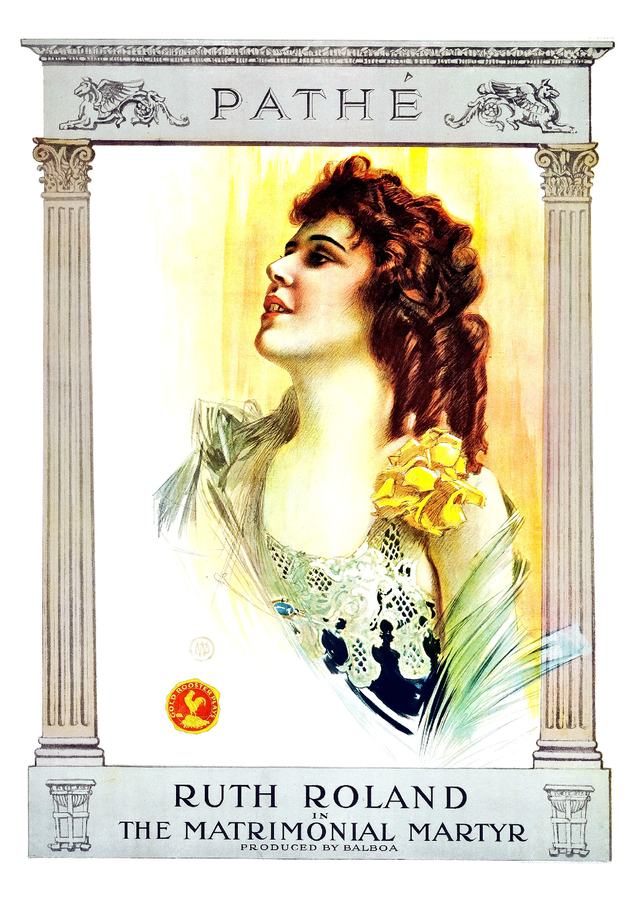
Stepping back into the flickering shadows of early cinema, one often finds narratives that, despite their antiquated presentation, resonate with an uncanny contemporary relevance. Such is the case with The Matrimonial Martyr, a film that deftly navigates the treacherous waters of identity, societal expectation, and the elusive nature of genuine human connection. It's a testament to the enduring power of storytelling that a plot steeped in the conventions of its era—a tale of mistaken identity, clandestine divorces, and the rigid social codes of high society—can still speak volumes to an audience over a century later. This isn't just a period piece; it's a profound observation on the masks we wear, the roles we play, and the serendipitous ways in which true selves sometimes find their counterpart amidst the most elaborate deceptions.
At its core, the film presents a deliciously ironic premise: a woman, Bertie Stanley, so desperate to escape a loveless marriage and a stifling social existence, employs a doppelgänger, Erma Desmond, to maintain her façade while she pursues personal freedom. This initial act of calculated deception sets the stage for a dramatic unfolding, where the artificiality of one life gives way to the unexpected authenticity of another. The brilliance lies not just in the plot's machinations, but in its subtle commentary on the superficiality of appearances and the profound depths of human compatibility that lie beneath.
Erma Desmond, portrayed with a quiet dignity, initially embodies the archetype of the dutiful, unassuming companion. Her striking resemblance to Bertie Stanley is the fateful catalyst, a seemingly superficial detail that plunges her into a vortex of aristocratic pretense. One might compare her initial plight to the societal constraints faced by characters in films like A Victim of the Mormons, where individuals are often forced into circumstances beyond their control, albeit with vastly different moral implications. Erma's agreement to impersonate Bertie is not born of malice, but perhaps a blend of obligation, economic necessity, and a touch of wide-eyed wonder at the prospect of experiencing a life utterly alien to her own. She steps into Bertie's shoes, not as a conniving usurper, but as a reluctant actress on a grand domestic stage.
The true genius of the narrative, however, lies in Erma's subtle transformation. As she inhabits Bertie's world, she doesn't merely mimic; she lives. The absence of Bertie's emotional baggage, her disinterest, and her pre-existing resentments allows Erma to interact with Hugo Stanley, Bertie's husband, on a refreshingly blank slate. There's a palpable sense of discovery for both characters. Hugo, who perhaps had grown accustomed to the emotional distance and societal performance inherent in his marriage to the real Bertie, finds himself engaging with a 'wife' who is attentive, kind, and genuinely interested. Erma, in turn, finds herself in a position of unexpected agency and emotional connection, a stark contrast to her former life. This dynamic is a fascinating exploration of how context and perceived identity can shape human interaction, even more so than inherent personality traits.
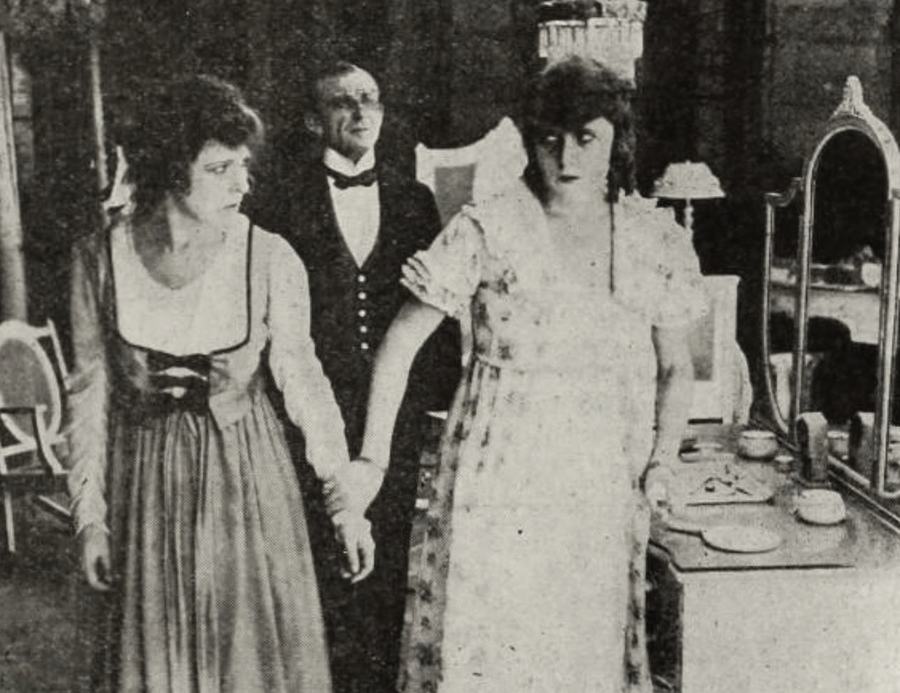
Hugo Stanley's character arc is equally compelling. Upon his unexpected return from Europe, he is confronted not with the wife he left, but with a woman who, while physically identical, is profoundly different in spirit. The film masterfully portrays his initial confusion, followed by a burgeoning sense of delight and connection he hadn't realized was missing from his marital life. This isn't a simple case of a man being easily fooled; it's a more nuanced portrayal of a man rediscovering the possibility of intimacy and warmth with someone he believes to be his spouse. The 'initial problems' mentioned in the plot summary are crucial; they highlight the subtle differences Erma must navigate, and Hugo's eventual acceptance of these 'changes' in his wife speaks volumes about his own desire for a more fulfilling partnership.
The chemistry that blossoms between Hugo and Erma (as Bertie) is, ironically, founded on a lie, yet it feels more authentic than the truth. It prompts a deeper question: Can a relationship built on deception lead to genuine happiness? The Matrimonial Martyr boldly suggests that it can, especially when the deception inadvertently strips away the pretense and expectations that often plague established relationships. Hugo falls in love not with the idea of Bertie, but with the essence of Erma, a person whose true self is allowed to shine through the borrowed identity. This narrative thread invites comparison to films like Playing Dead or even Scandal, where characters assume new identities or grapple with hidden truths, often leading to unforeseen personal growth or societal reckoning.
Bertie Stanley, though largely absent from the screen after her initial departure, remains a pivotal figure, a phantom limb of the narrative. Her motivations—love for another man and a desire for divorce—are entirely understandable within the context of human emotion, yet her method is audacious. The societal stigma surrounding divorce at the time, particularly for women of her standing, makes her decision to orchestrate a double's masquerade a desperate, yet pragmatic, choice. Reno, then as now, was a beacon for those seeking legal liberation from marital bonds, and Bertie's journey there underscores the societal pressures and limited options faced by women seeking autonomy. Her privilege allows her to conceive of such an elaborate plan, a stark contrast to the more constrained lives of many women depicted in films of the era, such as in Joan the Woman or The Seven Sisters, where personal desires often clashed with familial or societal duty. Bertie's ultimate success in securing her divorce and remarriage validates her pursuit of happiness, albeit one achieved through a morally ambiguous path.
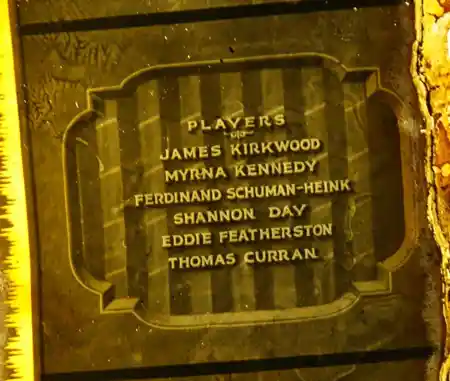
While specific details about the director or individual performances beyond the cast list are often scarce for films of this vintage, the effectiveness of The Matrimonial Martyr hinges entirely on the nuanced portrayals of its central figures. Silent film acting, a demanding art form, required a mastery of gesture, facial expression, and physical presence to convey complex emotions without spoken dialogue. One can only imagine the skill required by actors like Ruth Roland (likely Erma/Bertie) and Daniel Gilfether (likely Hugo) to differentiate between the two 'Berties' and to communicate the evolving emotional landscape of Hugo's character. The subtle shifts in posture, the quality of a gaze, the gentle tilt of a head – these were the tools used to build character and convey the burgeoning romance, making the audience believe in the impossible charade.
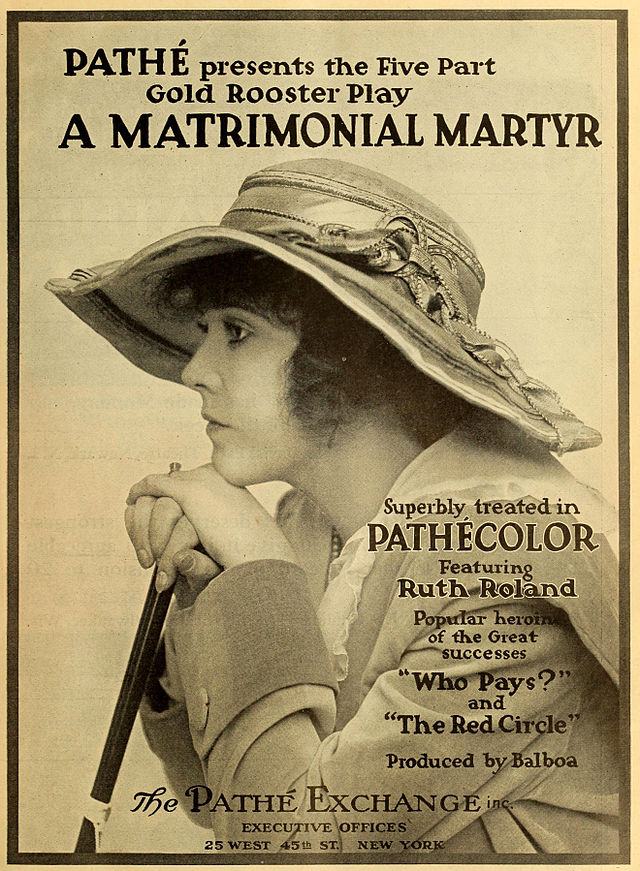
The cinematic language of the time, characterized by expressive intertitles and often melodramatic pacing, would have been crucial in guiding the audience through the intricacies of the plot. The film's success in conveying such a layered narrative without the aid of sound is a testament to the ingenuity and artistic sensibilities of early filmmakers. It’s a reminder that compelling storytelling transcends technological limitations, focusing instead on universal themes and relatable human dilemmas.
Beyond the surface-level entertainment of a mistaken identity plot, The Matrimonial Martyr delves into profound philosophical questions. What defines a person? Is it their name, their social standing, or the genuine connection they forge with others? The film argues, quite compellingly, for the latter. Hugo's eventual decision to marry Erma, even after discovering her true identity, is a powerful statement on the nature of love and authenticity. He chooses the woman he has come to know and love, rather than clinging to the legalistic or societal construct of his previous marriage. This resolution elevates the film beyond a mere farce; it becomes a romantic fable about finding one's true partner through an unconventional, almost divinely orchestrated, path.
The film also offers a fascinating glimpse into the social mores of the early 20th century. Divorce, though becoming more common, was still viewed with a degree of scandal, particularly in the upper echelons of society. Bertie's need for a stand-in underscores the importance of maintaining appearances, a recurring theme in period dramas. Yet, the film simultaneously critiques this superficiality by ultimately championing a love that defies such conventions. It suggests that happiness can be found by embracing genuine connection, even if it means overturning established norms. This kind of subversive narrative, subtly challenging societal expectations, is characteristic of some of the more progressive silent films, offering a window into evolving social thought.
The Matrimonial Martyr, while perhaps not as widely known as some other silent era masterpieces, stands as a charming and insightful piece of cinematic history. Its narrative complexity, combined with its underlying humanism, makes it a rewarding experience for those willing to look past the absence of spoken dialogue. It's a reminder that the foundational elements of compelling storytelling—character, conflict, and resolution—have remained constant throughout the evolution of film. The film’s ability to weave humor, romance, and social critique into a cohesive and engaging tapestry is a testament to its creators’ vision. The narrative, with its delightful resolution, leaves the audience with a sense of satisfaction, affirming the power of true affection to overcome deceit and societal artifice.
In an age where digital manipulation and virtual realities are commonplace, the simple yet profound illusion at the heart of The Matrimonial Martyr retains its potency. It forces us to consider what truly makes a relationship, a person, or even a self, authentic. Is it the name on a marriage certificate, or the shared laughter, the quiet understanding, the genuine affection that blossoms between two souls? The film unequivocally leans towards the latter, presenting a hopeful, if unconventional, vision of love. It’s a delightful journey into the heart of human connection, proving that sometimes, the greatest truths are revealed through the most elaborate lies. A true gem that deserves rediscovery, its themes continue to resonate, inviting contemplation on identity, love, and the choices that define our lives, much like the enduring appeal of profound narratives such as The Betrothed, where destinies are entwined by fate and circumstance, or the complex social dynamics explored in The College Orphan, albeit with a comedic and romantic flair that distinguishes our 'Martyr' from its more dramatic counterparts. Its enduring charm lies in its ability to make us believe in the possibility of an unforeseen, yet utterly perfect, union born from the most improbable of circumstances.
IMDb 5.8
1930
Community
Log in to comment.