DbcultAccessing Vault...
Cult Review
Senior Film Conservator
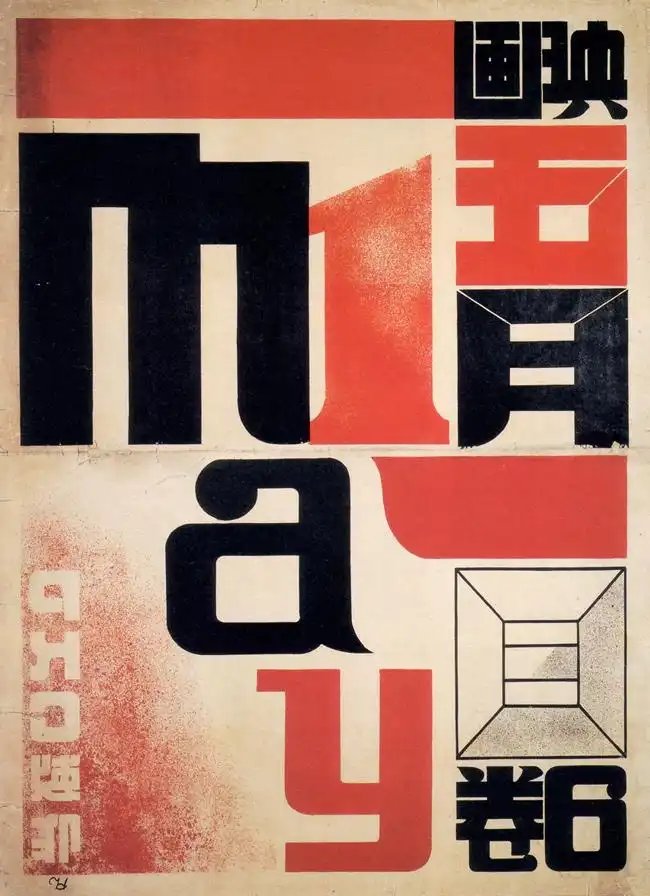
Look, if you're diving into Agitka '1 Maya', don't expect a relaxing movie night. This isn't for popcorn and chill. It’s a quick, sharp jab from 1918, a piece of Soviet agitprop designed to fire people up, not entertain in the modern sense. You’ll probably only find it interesting if you're into film history, early propaganda, or maybe just curious about what cinema looked like right after the Russian Revolution. Anyone else, honestly, will likely find it dated, slow, and a bit… obvious.
The whole thing is less a story and more a series of tableaux, really. You see the miserable factory workers, all downtrodden, then the big, mean capitalist boss with his top hat. It’s pretty clear who the bad guy is here. No gray areas, which, fine, it’s a propaganda film.
There's this bit where the workers are shown breaking free, and it’s all hands reaching up, flags waving. It’s almost poetic in its simplicity, even if the message is hammered home with a sledgehammer. You can almost feel the movie trying to convince you this moment matters.
The cast, like Daniil Cherkes and A. Barshch, they aren't really 'acting' in the way we think of it today. It's more like striking poses for the camera. Their expressions are big, almost theatrical, perfect for a silent film that needed to get its point across without dialogue. One reaction shot from the 'oppressed worker' type lingers so long it kinda becomes funny, but you get the idea.
The intertitles, they're not subtle at all. They pretty much tell you exactly what to think. 'The Exploited Masses!' or 'Victory for the Proletariat!' No room for interpretation there. It’s a direct address, really, screaming its message from the screen.
Visually, it's rough, but compelling for its age. The outdoor shots of crowds marching, even if they sometimes feel a little sparse, have a certain energy. You see the red flags everywhere, and it’s meant to feel triumphant. It probably did, back then, especially for folks who hadn't seen much moving pictures.
There's this moment near the end, everyone cheering, and it's just a quick flash of faces. Some look genuinely excited, others just look tired. Makes you wonder about the actual mood on set. The scene goes on about 10 seconds too long, and the silence starts to feel awkward rather than emotional after a bit. 😬
You notice little things. Like how the 'bourgeoisie' characters are always dressed so obviously opulent, even if the costumes look a bit dusty. And the workers, well, they just look like regular folks, which, again, makes the point. It’s all about visual shorthand.
The editing, it’s pretty basic. Jump cuts are frequent, not in a fancy way, just like, 'here’s this shot, now here’s the next one.' It feels less like an art form and more like a tool to convey information quickly. No fancy dissolves or anything. Just bam, bam, bam.
It's a really interesting peek into how early cinema was used as a weapon, a tool for social change. It's not trying to be subtle or nuanced. It’s a blunt instrument, aimed right at the hearts and minds of the masses. And for what it is, a historical document, it kinda works.
I kept thinking about how different this is from something like, say, Dreams of the Rarebit Fiend: Bug Vaudeville, which came out around the same time and was pure spectacle. This is spectacle, yes, but with a very clear, heavy-handed purpose. One wants to amaze, the other wants to incite.
Ultimately, you won't walk away humming a tune or talking about the amazing character development. You'll probably just think, 'Wow, they really wanted people to get fired up about May Day.' And that's exactly what it set out to do. It’s a time capsule, more than a film to simply 'enjoy'.
IMDb 5.9
1924
Community
Log in to comment.