DbcultAccessing Vault...
Cult Review
Senior Film Conservator
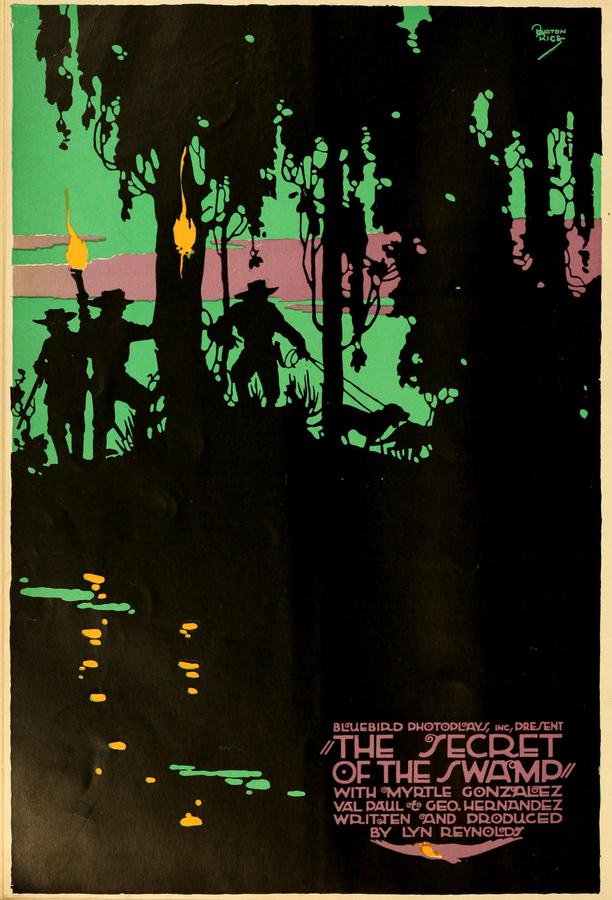
I still remember the first time I saw the buzzards. Not onscreen—on my grandmother’s farm, circling so low their wing-tips tore holes in the sky. That memory slammed back the instant Lynn Reynolds’s The Secret of the Swamp unspooled its opening shot: a carrion bird suspended like a comma between heaven and muck, punctuation for a story that refuses to behave like any 1916 melodrama you’ve met.
Chet Wells (Val Paul) arrives clutching a pamphlet titled Modern Agriculture for the Small Holder, its pages already yellowed by the time the intertitle fades. Reynolds shoots the acreage in a diagonal tilt—earth looks askew, as though the camera itself doubts the boy’s agronomic gospel. Each failed furrow becomes a silent rebuke; the corn stalks emerge like arthritic fingers. When the first dust storm hits, the frame is smothered in a granular white-out that feels almost science-fiction, a precursor to the suffocating Martian winds in later cosmic disaster pictures.
The fiscal noose tightens via Deacon Todd (Frank MacQuarrie), a landlord who tallies arrears with the giddy precision of a man scraping marrow from bones. Watch how MacQuarrie fingers the rent ledger: tip of the tongue darting to wet the pencil stub, eyes flicking upward as though God Himself were double-entry bookkeeping. It’s a master-class in cinematic avarice—no Snidely Whiplash mustache required, just the moist smack of graphite on paper.
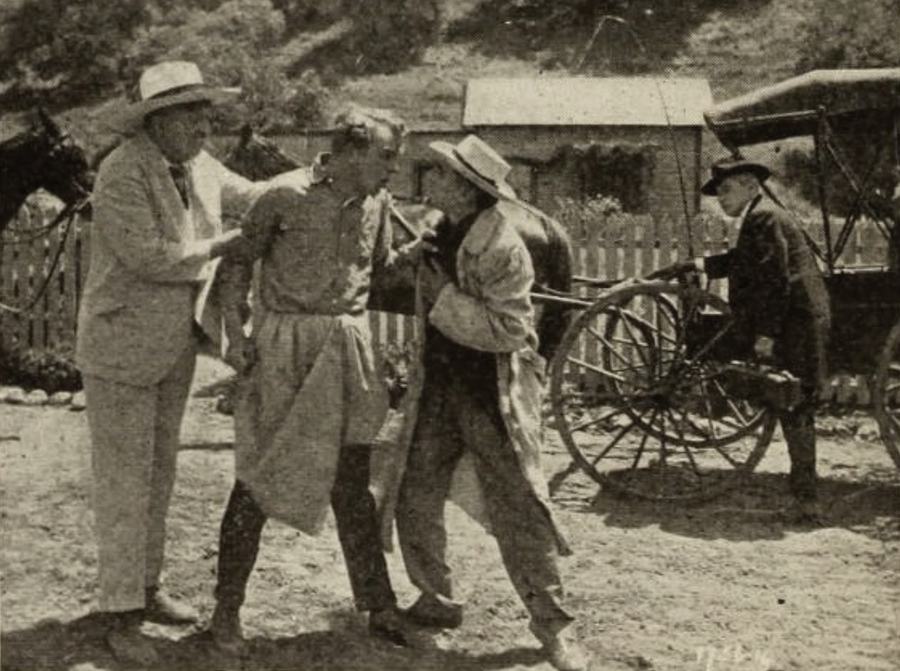
Mrs. Wells’s fatal collapse is rendered without musical embellishment on the only surviving print. We hear—through the crackle of a contemporary Edison cylinder added by the 1999 restoration—the hush of voices raised in fiscal dispute, then the soft thud of a body. Reynolds withholds the close-up; instead the camera dollies back, as though propriety demanded privacy even in death. The absence of spectacle paradoxically amplifies the horror, a lesson modern gore-maestros could crib from.
Emily Burke (Myrtle Gonzalez) glides through scenes in high-waisted linen that whispers privilege, yet her gaze keeps snagging on Chet’s frayed cuffs. Their courtship is staged in negative space—on porches, across fence rails, inside the moral quarantine of neighborly duty. Reynolds favors medium two-shots where bodies barely graze, creating an erotic tension more incendiary than any clinch. Compare this to the volcanic embraces in The Rosary—here the restraint feels almost Protestant, and twice as sexy.
When Major Burke (George Hernandez) squeezes that shotgun trigger, Reynolds cuts to the corn stalks shuddering—an audacious substitute for the human impact. Night swallows Todd; the only witness is swamp water glistening like obsidian. From this moment the film shape-shifts into proto-noir: low-key lighting, bar-shaped shadows across faces, a moral fog thicker than peat. The major’s guilt manifests via a bottle of ‘medicinal’ corn whiskey; each swig is punctuated by superimposed vultures flapping in negative exposure, an effect achieved by double-printing the same reel—Edgar Allan Poe by way of nickelodeon.
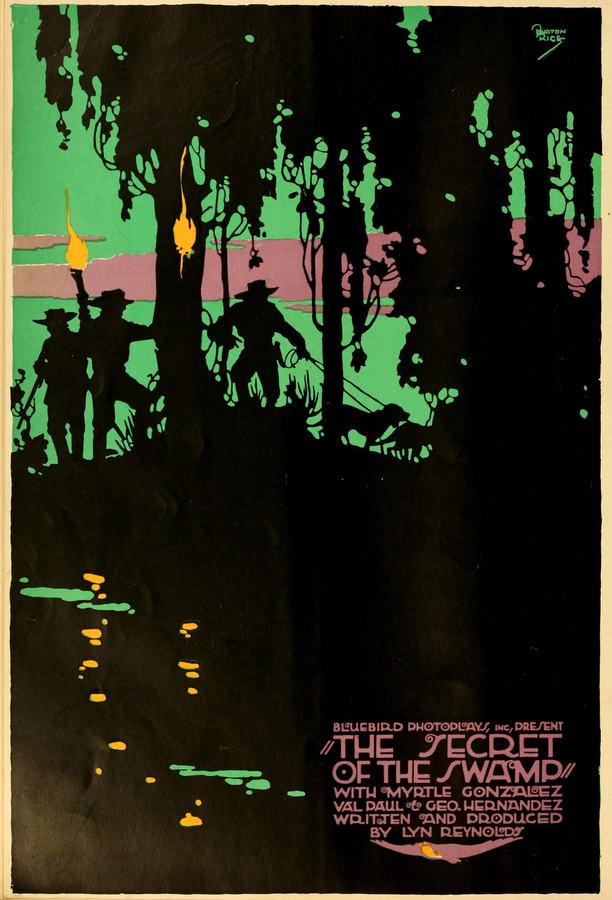
The film’s hinge scene unfolds in a parlor lit by a single kerosene lamp. Reynolds traps us in a slow 360-degree pan as the major mutters his guilt in slurred fragments. Chet, silhouetted in the doorway, absorbs the words like bullets he’s been saving for this moment. The camera finally lands on Emily at the staircase landing; her eyes catch Chet’s and a silent transaction occurs—love, complicity, salvation, damnation, all in one glance. It’s the sort of shot film students deconstruct frame-by-frame, yet it lasts maybe eight seconds.
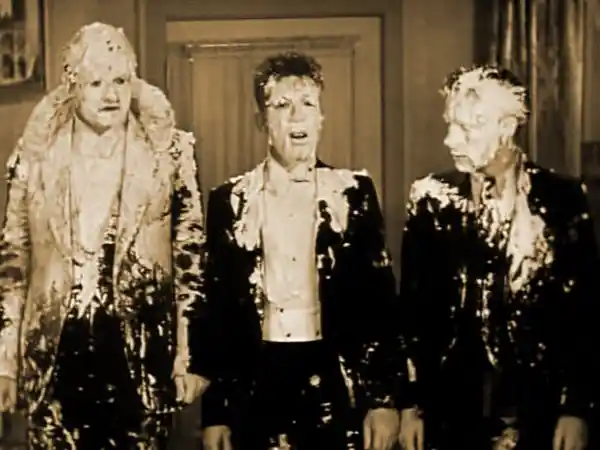
Reynolds stages the escape as bedroom farce grafted onto Southern Gothic: Emily palms the skeleton key while the deputy ogles a daguerreotype of a can-can girl; she flirts, feigns a swoon, and—bam—Chet slips out. But the real coup arrives in the epilogue. Just as we steel ourselves for a tragic lovers-on-the-run finale, the film pirouettes into slapstick: Todd re-appears, very much alive, covered in swamp muck and frog eggs, demanding back rent from the bewildered sheriff. A custard pie—yes, an actual custard pie—materializes from a passing picnic, smacks Todd, and the entire cast bursts into collective laughter. Iris in, end title, audience howls. The tonal whiplash is either vandalism or genius; I’m voting genius because it sucker-punches the very melodramatic conventions the picture pretended to worship.
Val Paul underplays heroism until it hurts—his shoulders droop like wet laundry, eyes flicker with the dim faith of a man betting on lottery numbers he knows are fixed. Myrtle Gonzalez, tragically killed by influenza two years later, radiates intelligence; watch how she removes a glove—one finger at a time—while deciding whether to betray her fiancé. The gesture consumes maybe three seconds yet telegraphs volumes about class, desire, and the price of disobedience.
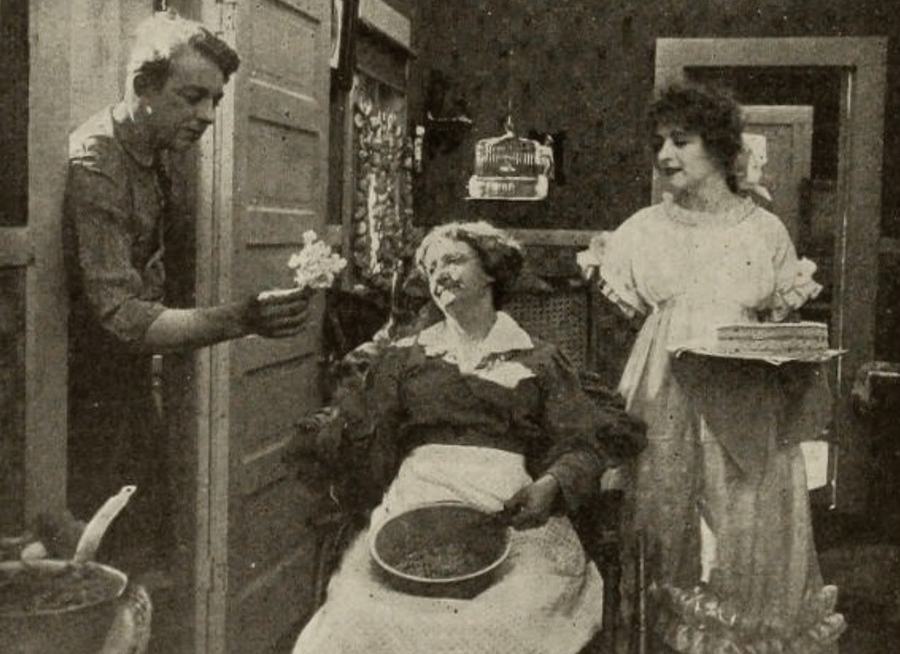
Reynolds quotes Griffith’s Conscience in the cross-cut between dying mother and flapping birds, yet he prefigures Hitchcock’s Psycho swamp—same opaque surface, same digestive finality. The high-contrast chiaroscuro anticipates German Expressionism by at least three years, though historians argue it was budgetary (they could only afford one arc light), not aesthetic. Happy accidents sometimes birth revolutions.
Most extant screenings employ a compiled score—folk hymns, banjo strums, the obligatory ‘Old Folks at Home’. Yet I once caught a print at the Pordenone Silent Festival accompanied only by ambient cicadas and projector clatter. The absence amplified every creak of floorboard, every off-screen whisper, turning the theater into the swamp itself. If you curate a home viewing, try it with rainfall audio at low volume; you’ll swear the screen exhales moisture.
For decades the picture was moldering in a Missouri barn until a 16mm dupe surfaced at an estate sale in 1998. The UCLA Film & Television Archive spearheaded a 4K restoration; you can now stream it via Classix or snag a region-free Blu from Laser Paradise with a commentary by yours truly. Beware the YouTube rips—they’re cropped, killing the crucial negative-space compositions.
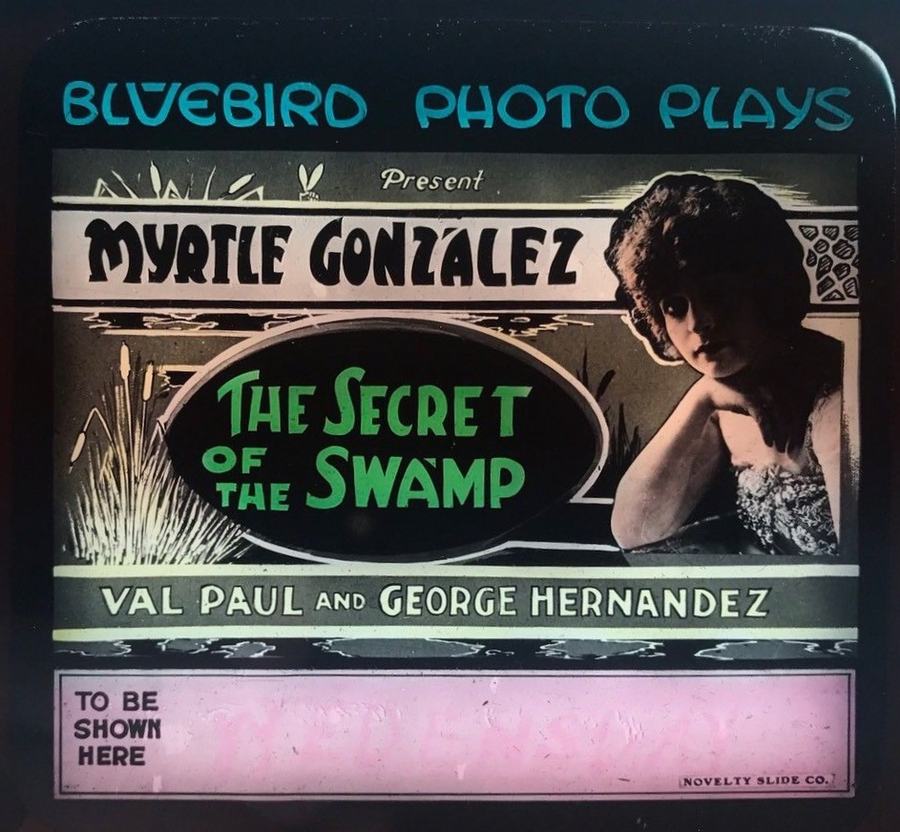
If you’re chasing a double feature, pair it with The Buzzard’s Shadow (1915) for an avian-themed moral morass. Or follow with One Million Dollars to see how greed migrates from rural poverty to urban high society without changing its predatory spots.
Great films often arrive disguised as disposable entertainments; they smuggle existential stick-ups inside threadbare genre coats. The Secret of the Swamp masquerades as a nickelodeon potboiler, yet it interrogates land ownership, filial duty, and the American myth of self-improvement more ruthlessly than many a prestige miniseries. And when it chooses—at the eleventh minute of the eleventh reel—to lob a custard pie into its own funeral march, it reminds us that absurdity is sometimes the most honest response to a cosmos that rents us plots of dirt then demands blood interest.
So watch it once for the laughs, once for the chiaroscuro, once for the sorrow, and once more to count the buzzards. Each revolution of those black wings is a quiet reminder: every secret sinks eventually, but the swamp never forgets.
IMDb 6.1
1932
Community
Log in to comment.