DbcultAccessing Vault...
5.9/10
Senior Film Conservator
A definitive 5.9/10 rating for a film that redefined the boundaries of cult cinema. Bican Efendi vekilharç remains a cornerstone of transgressive art.
The Dawn of the Anatolian Laugh: A Historical Reckoning
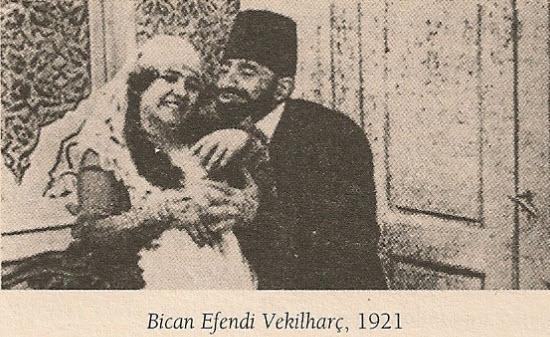
To witness Bican Efendi vekilharç is to peer through a celluloid keyhole into the very birth of a national cinematic identity. Released in 1921, amidst the tectonic shifts of a collapsing empire and the nascent stirrings of a republic, this film represents more than mere entertainment; it is the foundational stone of Turkish humor. Sadi Fikret Karagözoglu, who both authored and inhabited the lead role, brought to the screen a physical vocabulary that felt startlingly modern yet deeply rooted in the centuries-old traditions of the Ottoman stage. Unlike the contemporary dramas of the time, such as the poignant East Lynne (1916), which relied on heavy melodrama, Bican Efendi invited the audience to find catharsis in the chaotic, the absurd, and the irreverent.
The premise is deceptively simple: a steward (vekilharç) whose lack of grace is his most defining characteristic. However, the execution is a masterclass in early 20th-century comedic timing. Bican is not merely a fool; he is a disruptor of the status quo. In a society governed by rigid codes of conduct, his clumsy navigation of the pavilion—a microcosm of the Ottoman social structure—serves as a silent critique of the era's formalities. Much like the protagonists in I millepiedi, Bican’s movements are a choreography of errors, a ballet of broken crockery and misplaced intentions that resonated with an audience weary of the weight of history.
Structurally, the film eschews the linear cohesion we expect from modern cinema, opting instead for a sketchbook approach. This episodic nature was common in the era, reminiscent of the rhythmic pacing found in serials like Who Is Number One?. Each segment of Bican Efendi vekilharç functions as an independent unit of comedy, building tension through the steward's attempts to maintain order while his very presence invites entropy. The centerpiece of the film—the forbidden musical night—is a daring narrative choice. At a time when public morality was strictly policed, the depiction of an illicit party, complete with musicians and dancers, was a bold stroke of cinematic rebellion.
The cinematography, though primitive by today's standards, captures the claustrophobic opulence of the pavilion with a keen eye. The camera remains largely static, a silent observer to Bican’s frantic energy. This stillness creates a fascinating tension; the frame becomes a cage from which Bican’s kinetic personality is constantly trying to escape. While films like Pillars of Society (1920) used their settings to emphasize moral weight, Bican Efendi uses its environment as a playground for destruction. Every vase, every rug, and every doorway is a potential obstacle in Bican’s slapstick odyssey.
One cannot discuss this film without an exhaustive analysis of Sadi Fikret Karagözoglu’s performance. His portrayal of Bican Efendi is a synthesis of the high-energy slapstick found in French comedies and the subtle, satirical wit of the Turkish Meddah (storyteller). There is a specific elasticity to his face, a repertoire of grimaces and wide-eyed terror that communicates more than any intertitle could. His Bican is a man perpetually on the verge of a nervous breakdown, yet possessed by a strange, unearned confidence. It is a performance that mirrors the domestic friction found in Toby's Bow, where social expectations and personal limitations collide with disastrous results.
The supporting cast, including the likes of Behzat Haki Butak and Vasfi Riza Zobu, provides a necessary foil to Karagözoglu’s lunacy. They represent the "normal" world—the world of rules, police, and decorum—against which Bican’s chaotic nature is measured. The interaction between the steward and the authorities during the raid on the musical night is particularly telling. It is a moment where the film transcends simple comedy and touches upon the universal theme of the individual versus the state, a motif explored with far more gravity in films like Heroic France, yet here it is rendered through the lens of the ridiculous.
Bican Efendi vekilharç did not just entertain; it established a template. The character of Bican became so popular that it spawned several sequels, creating the first cinematic "franchise" in Turkish history. This popularity was driven by a public desire to see themselves reflected on screen—not as the tragic figures of historical epics or the distant heroes of foreign imports, but as flawed, funny, and resilient human beings. When compared to the ethereal, almost supernatural themes of The Reincarnation of Karma, Bican Efendi feels refreshingly grounded in the dirt and noise of everyday life.
The film’s influence can be traced through decades of Turkish comedy, from the village farces of the 1950s to the legendary slapstick of Kemal Sunal in the 1970s. It proved that the Turkish language and Turkish social quirks were fertile ground for the medium of film. Even the smaller, more obscure releases of the time, such as A Youthful Affair or the animated curiosities like A Fisherless Cartoon, lacked the sheer cultural impact and enduring charm of Karagözoglu’s bumbling steward.
Technically, the film is a fascinating relic. The collaboration between Karagözoglu, Ibnürrefik Ahmet Nuri Sekizinci, and Daniel Riche suggests a cosmopolitan approach to filmmaking, blending local narratives with European technical sensibilities. This cross-pollination is what gives the film its unique texture. It possesses the DNA of the silent era’s global language while speaking with a distinctly local accent.
In the end, Bican Efendi vekilharç is a testament to the power of the primal laugh. It reminds us that even in the most restricted environments—whether it be a pavilion under strict rules or a society in the midst of upheaval—the human spirit will always find a way to arrange a forbidden party. It is a film about the joy of the mistake, the beauty of the blunder, and the necessity of the fool. It stands as a beacon of light in the history of the Levant's cinema, as vital and vibrant as the day the first hand-cranked projector brought Bican’s frantic face to life on a white sheet in Istanbul.
For those interested in the broader context of 1921 cinema, comparing Bican’s antics to the deceptive humor in The Bogus Uncle or the moral dilemmas of When Fate Leads Trump reveals a global trend toward using comedy as a tool for navigating social change. Yet, Bican remains unique. He is the original, the steward of our collective funny bone, and the man who taught a nation how to watch itself and smile.
*** End of Review ***

IMDb —
1929
Community
Log in to comment.