DbcultAccessing Vault...
5.8/10
Senior Film Conservator
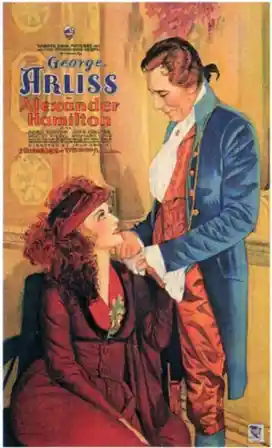
A definitive 5.8/10 rating for a film that redefined the boundaries of cult cinema. Alexander Hamilton remains a cornerstone of transgressive art.
So, you’re thinking about watching Alexander Hamilton from 1931? 🤔 Well, if you’re a history buff, especially into the Founding Fathers and early American politics, then yeah, give it a shot. You’ll probably appreciate seeing this era brought to life, even if it’s through a very old lens. Anyone looking for fast-paced action or modern drama? You’ll likely be *bored stiff*. This one’s a talker, and it feels every bit of its age.
George Arliss plays Hamilton, and he really *owns* the role. He’s got this intense stare that makes you believe he’s constantly calculating. But sometimes it feels like he’s performing for the back row of a theater, not for a camera. It’s an early sound film, so you get a lot of that.
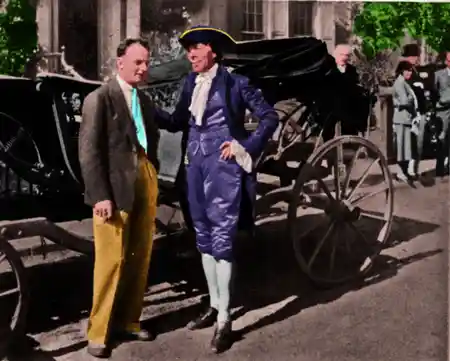
The whole movie is pretty much Hamilton battling against everyone. He wants a national bank, right? For foreign trade and all that. And he fights for soldier pay. It’s a good cause, but the way they show it is just endless scenes of him in a room, arguing. Over and over.
There’s this long, *long* stretch about the Assumption Bill. Eight years, they say he battled for it. And you feel every single one of those years watching the movie. The pacing is… deliberate. Let’s put it that way. 🐌
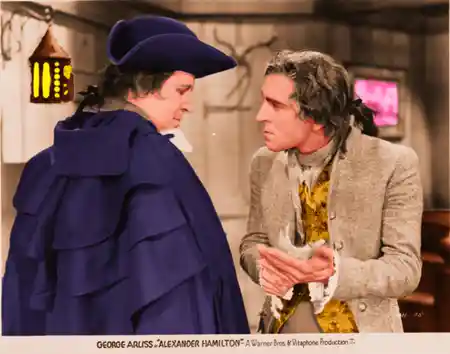
What really stuck with me were the scenes where Hamilton faces off against Senator Roberts. Roberts, played by Dudley Digges, is just a slimy character. He slanders Hamilton, attacks his name. Those moments, when it gets personal, actually have some *fire*. You can feel Hamilton’s frustration, his anger bubbling under the surface.
There’s a part where Hamilton’s wife, Eliza (Doris Kenyon), tries to stand by him, but she’s just… *there*. Her performance is fine, but it’s Hamilton’s show, start to finish. She mostly looks worried or supportive, which is typical for women characters in these old films, sadly.
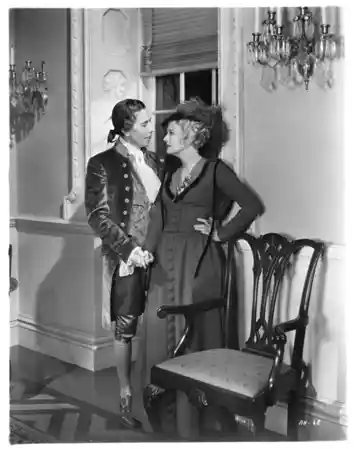
One scene, Hamilton is talking about how vital the national bank is. He’s pacing, almost vibrating with conviction. Then, suddenly, he stops and looks directly into the camera, like he’s trying to convince *me*, personally. It was a little jarring, honestly. Like breaking the fourth wall without meaning to. 🎭
The crowd scenes are also quite something. When there’s a gathering, it often feels like only a dozen people were told to show up. They just stand there, looking a bit confused, like they’re waiting for their cue. It’s a definite sign of the times, budget or early filmmaking techniques, I guess.
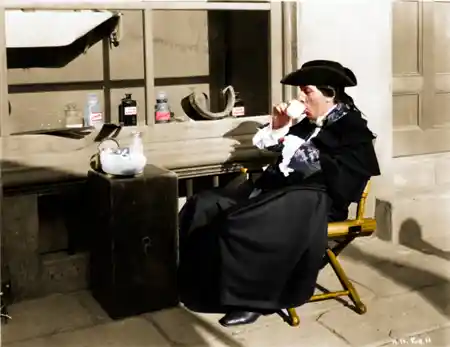
Montagu Love as George Washington, though. He’s got this quiet authority. He doesn’t say a whole lot, but when he does, you listen. Washington has this one moment where he gives Hamilton this knowing nod, almost a warning, about the political snakes. It was quick, but it *landed*.
You can tell they put a lot of effort into the costumes, though. Everyone looks appropriately powdered and ruffled. Especially Hamilton’s outfits; they always seem perfectly tailored, even when he’s furious. Which is most of the time.
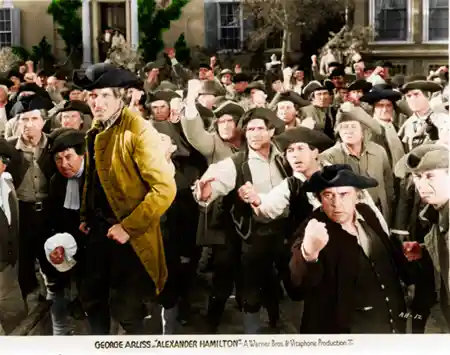
The dialogue is very formal, very wordy. People don't just talk; they make declarations. It’s like every conversation is a debate. It's a lot to process, and sometimes you just wish someone would say, "Hey, what's up?" instead of "Verily, I propose a matter of gravest import!" 🧐
Honestly, the film gets noticeably better when it focuses on the personal stakes. When Hamilton is just arguing about bills, it drags. But when his reputation is on the line, or there's a whisper of scandal, that's when it perks up. The human element, you know?
It’s not a film I’d rush to rewatch, but I’m glad I saw it. It’s a glimpse into how they used to tell historical dramas, before quick cuts and dramatic music took over. It's a bit dusty, sure, but it has its moments of genuine intensity, particularly when Arliss is allowed to really chew on the dialogue and glare at his enemies. Just be ready for a slow burn. A *very* slow burn. 🔥
IMDb —
1926
Community
Log in to comment.