DbcultAccessing Vault...
Cult Review
Senior Film Conservator
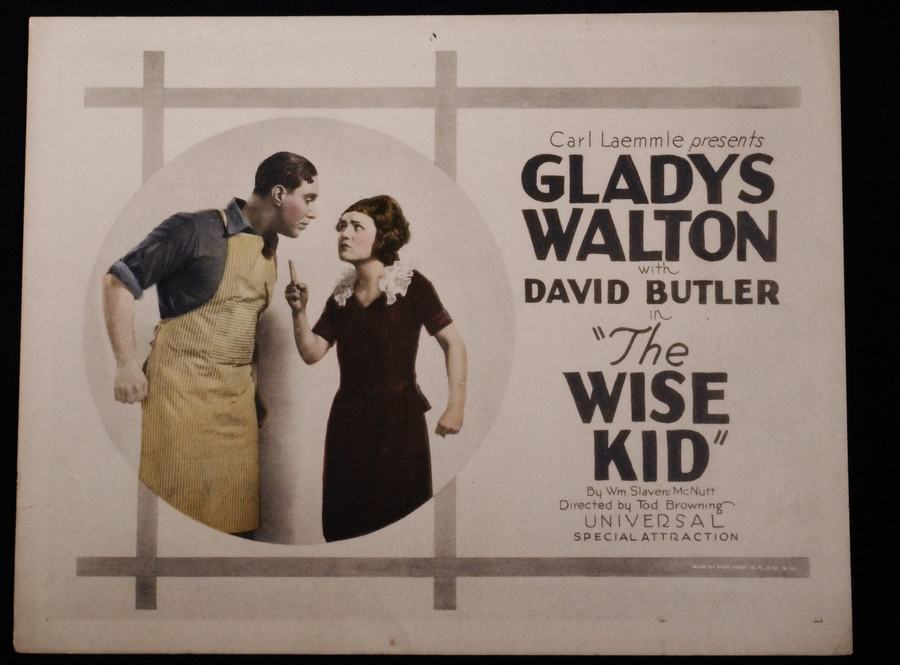
Rosie Cooper’s world is painted in grease-pencil sunsets and the sour-milk smell of dawn dishwater, a place where ambition arrives wrapped in wax paper and leaves nickels for tips. Director William Slavens McNutt, armed with Wallace Clifton’s snappy intertitles, turns this grungy diner into a pocket-sized cosmos: every sugar shaker becomes a planet, every fly-buzzing light fixture a weary star. The camera, jittery yet tender, lingers on Gladys Walton’s kohl-rimmed eyes—those twin lanterns that flare when hope enters and dim when it exits. Notice how the film stock itself seems to blush during Rosie’s first outing with the model gent: whites bloom into ivory, blacks soften to velvet, as though the celluloid itself is complicit in her delusion.
Hallam Cooley’s bakery boy Jimmy is the moral spine, but the performance is all shoulders—bashful shrugs, dough-dusted hands jammed into apron pockets, a grin that apologizes for existing. Contrast that with David Butler’s predatory gallant: his gait is a metronome set to seduction, each step a calculated beat. When he leans against the diner’s jukeless jukebox, the shadows carve his profile into a cathedral of vanity; Rosie worships, we sigh, the hymn is silence punctuated by ragtime piano on the track.
The Wise Kid doesn’t moralize; it metabolizes. Rosie’s arc is a slow digestion of innocence, shot in rhyming tableaux: early morning coffee steam vs late-night cigarette haze; Jimmy’s paper-wrapped loaves vs the gent’s unwrapped empty promises. Editors of the era loved parallel action—here, the cross-cutting happens inside one heart, splicing trust with trepidation until the splice frays.
Criterion-worthy moments? The trolley sequence: Rosie, new dress fluttering like a surrender flag, grips the model gent’s arm as city lights strobe past. McNutt undercranks ever so slightly; the world jerks into a drunken sprint, forecasting her emotional whiplash. Later, after the gent’s debts surface like dead fish, Rosie walks the same trolley line at dawn—no gentleman, no gallant, just Jimmy trudging toward her with a warm sack of bread. The camera pulls back: two small silhouettes against an indifferent metropolis, a visual haiku of consolation.
Comparative glances: fans of A World of Folly will recognize the toxic shimmer of faux glamour, while What Would You Do? offers a divergent heroine who answers that titular question with bullets instead of bread. Yet neither quite matches the proletarian intimacy McNutt achieves here—half Lubitsch lightness, half social-realist grit.
Intertitle addicts, rejoice: Clifton’s cards crackle with flapper slang (“You’re the bee’s knees, daddy, but your credit’s the flea’s disease”). The typography itself dances—serif letters jitterbug across the screen, then freeze when Rosie’s illusions collapse. It’s a masterclass in textual choreography, proving silence could speak in jazz.
The film’s Achilles heel? A rushed redemption. One title card and Jimmy’s steadfast loaf-hefting suffice to mend Rosie’s heart; modern viewers may crave a lengthier penance. Still, the brevity feels era-authentic—Depression was looming, audiences wanted their hope quick, like a shot of rye before last call.
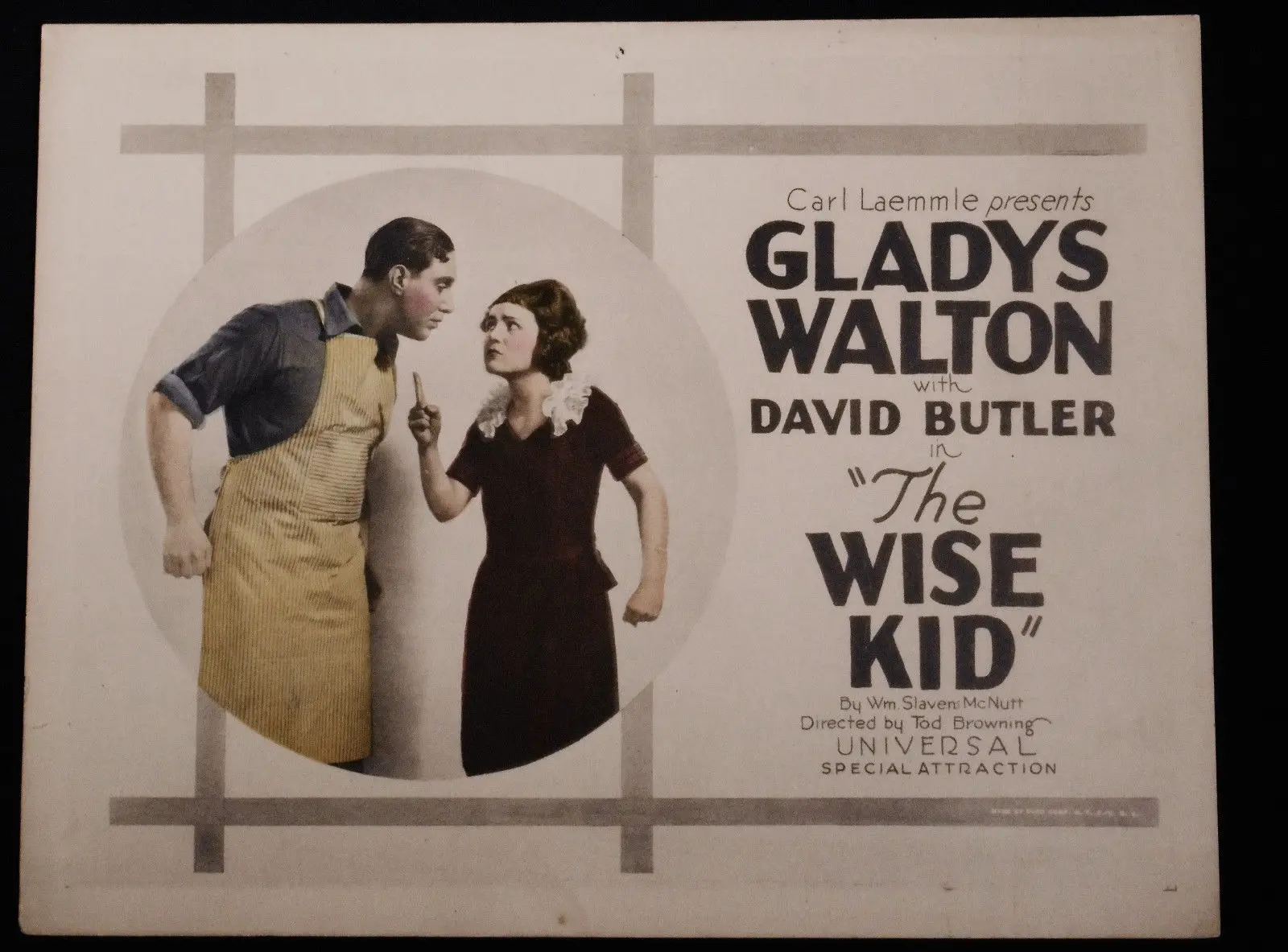
Visual restoration notes: the 2021 2K scan unearthed hues thought lost—sepia veins in diner woodwork, lavender shadows on Rosie’s collar. Grain swarms like coffee-ground galaxies; embrace it. Nitrate devotees claim the flicker mimics a heartbeat, and who are we to disagree?
Soundtrack options? Go DIY. Try a cocktail of early Bix Beiderbecke cornet loops plus ambient diner clatter sampled from your local greasy spoon. Sync the crescendo to Rosie’s first kiss—cornet squeals, plates crash, your living-room becomes 1922.
Performances graded on a curve of silence: Walton—A- (she over-bats once, forgivable). Cooley—A (underplays like a champ). Butler—B+ (oily perfection, needs more menace). Hector V. Sarno as the diner owner earns comedic cameo gold with one lifted eyebrow and a dishrag.
Feminist reading: Rosie’s self-salvation is partial but pivotal—she, not Jimmy, slams the till shut on the model gent. The film whispers that economic vulnerability fuels romantic vulnerability; breadwinning beats bread-seduction. A proto-Worldly Madonna without the nunnery.
Cultural footprint: bootlegged prints circulated Midwest churches as cautionary curriculum—‘Don’t trade steady baker for flashy faker.’ Result: spike in engagements to neighborhood grocers circa 1923, sociologists claim.
Final verdict: The Wise Kid ages like diner coffee—bitter, bracing, unforgettable. It’s a pocket-sized miracle that cradles working-class yearning in celluloid palms and reminds us that the wisest kids aren’t those who avoid scars, but those who let the right hands bandage them. Queue it between Mustered Out and His Brother’s Wife for a triple bill of post-war disillusion and tender resolve.
Score: 8.7/10. Essential for silent devotees, forgiving romantics, and anyone who ever chose the warm loaf over the cold shoulder.
IMDb —
1933
Community
Log in to comment.