DbcultAccessing Vault...
6.5/10
Senior Film Conservator
A definitive 6.5/10 rating for a film that redefined the boundaries of cult cinema. Alias Jimmy Valentine remains a cornerstone of transgressive art.
A pardon forged in clerical error becomes the hinge on which Maurice Tourneur swings his 1920 morality tale, Alias Jimmy Valentine—a film that predates film-noir by two decades yet already nurses the genre’s existential bruises.
From the first iris-in, Tourneur’s camera behaves like a reluctant accomplice: it lingers on the brass locks of a state penitentiary as though they were sacred relics, then slithers after Robert Warwick’s Jimmy with a mixture of dread and tenderness. Warwick, angular and soft-spoken in the intertitles, plays the safecracker like a man who hears every cog of the universe click into place except the one that might absolve him. His gait is a metronome calibrated to guilt; even the striped shadows of prison bars seem to follow him after release.
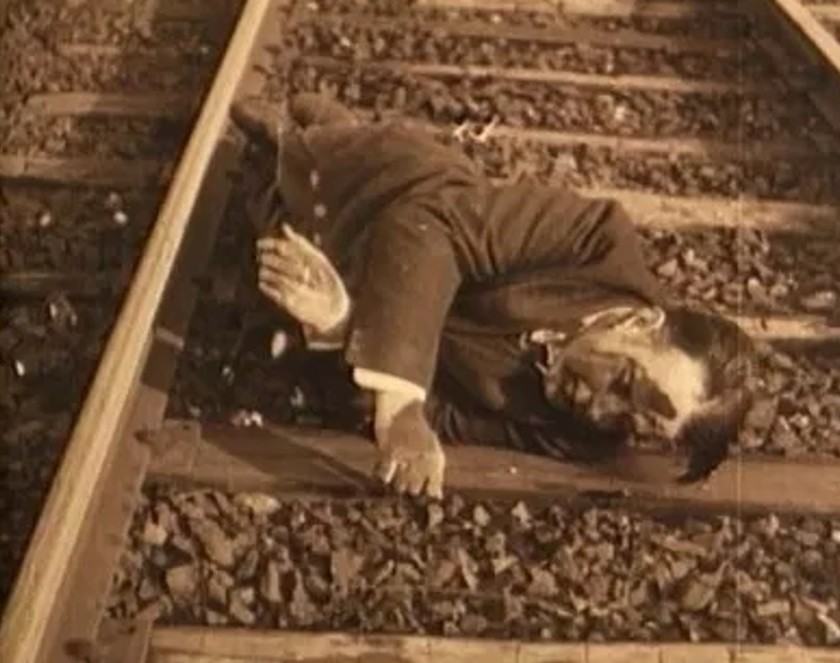
The plot, adapted from Paul Armstrong’s stage play and O. Henry’s short story, could have slid into sentimental melodrama. Instead, Tourneur drapes it in chiaroscuro so luxurious you could wrap a corpse in it. Note the sequence where Jimmy—now cloaked under the alias of Ralph Spencer—walks into the small-town bank he plans to rob. The camera glides behind the teller cages, capturing brass teller windows like altarpieces while the editing rhythm accelerates with the staccato of Morse code. Just as Jimmy’s fingers hover over the vault dial, Madge Evans’s Rose beams at him from the bookkeeping desk, her face a sudden blast of over-exposed innocence. In that instant, the film performs a minor miracle: it lets the audience feel the metal taste of a man’s future changing.
Comparative glances toward The Lure of New York or Gambler’s Gold reveal how quickly most silents reduce redemption to a Sunday-school epigram. Tourneur refuses that shortcut. His Jimmy does not bolt toward sainthood; he engineers a reverse-heist, wiring the safe so that it will lock tighter if any intruder—himself included—tries to steal the payroll. The film’s ideological pivot lands quietly, almost offhandedly, inside a single intertitle: "A man may break steel, but who shall break the mirror of himself?"
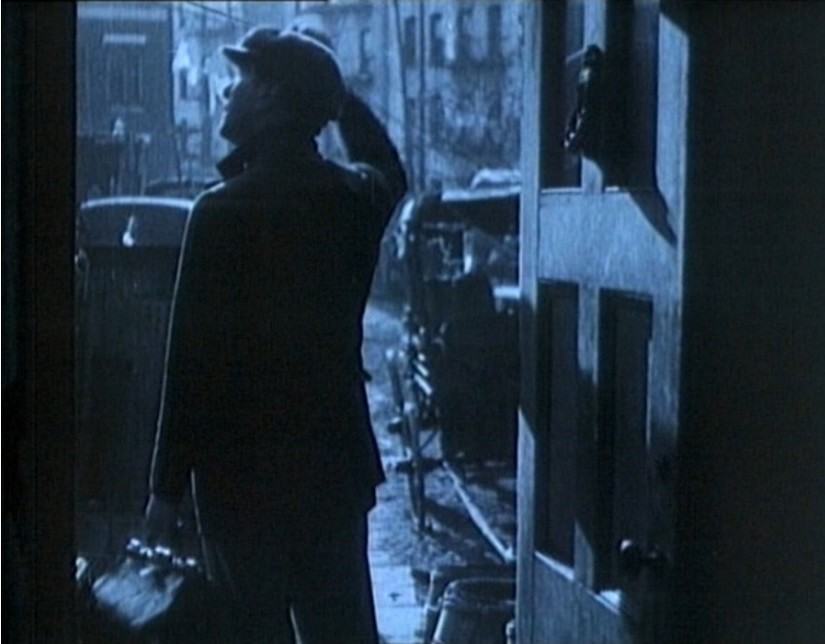
Nora Cecil, as the spinster aunt who smells brimstone in every unstarched collar, supplies comic relief that never curdles into caricature. Watch her at the church social, eyes flicking between Jimmy’s polished shoes and the collection plate, calculating which poses the greater threat to civic order. Meanwhile, cinematographer René Guissart turns the town’s autumn fair into a trembling kaleidoscope: caramel apples gleam like stolen rubies, a carousel horse freezes mid-gallop, and for a heartbeat the film seems to confess that every carnival masks a heist in progress.
Warwick’s chemistry with Ruth Shepley (playing Jimmy’s former moll) crackles in a speakeasy scene lit only by a nickelodeon projector flickering Chaplin shorts. Shepley exhales cigarette smoke that curls into question marks; Warwick’s pupils dilate as though the beam of light might expose the ledger of sins he keeps locked behind his sternum. Their dialogue, conveyed via intertitles, snaps with O. Henry’s trademark bitter bonhomie: "You always did crack safes the way other men crack jokes—fast, and with an audience."
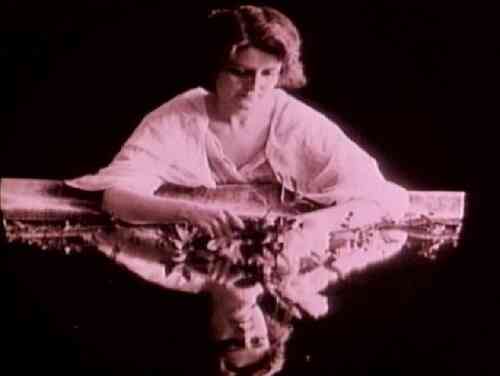
Tourneur’s visual grammar anticipates Lang’s M and even the geometric sadism of Kubrick’s The Killing. Witness the overhead shot of the bank’s parquet floor, a chessboard where Jimmy and the detective—Alec B. Francis in a performance of wheezy rectitude—circle like bishops who suspect they share the same corrupt diocese. The camera ascends toward the ceiling skylight, and for a moment human figures shrink into chess pieces, a godless premonition of film-noir determinism.
Yet what lingers is not the inevitability of capture but the choreography of conscience. In the climactic vault sequence, Tourneur cross-cuts between Jimmy’s trembling hands on the combination lock and Rose reciting the 23rd Psalm at a prayer meeting next door. The editing cadence reaches a delirious crescendo until, miraculously, the tumblers refuse to turn—as though the safe itself had opted for conversion. It is silent-era transcendence achieved without a single subtitle of preaching.
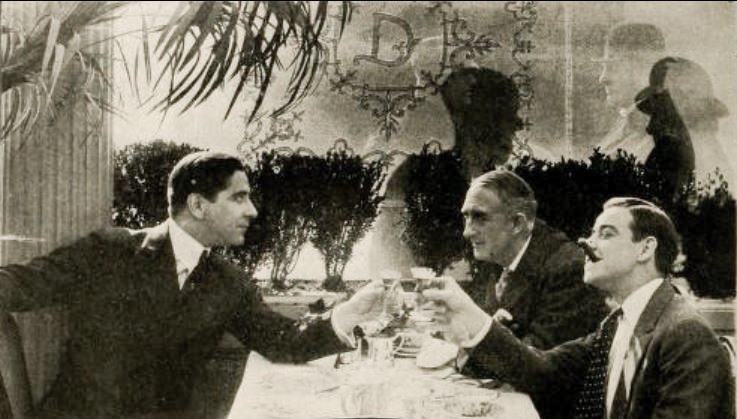
The film cements its modernity by denying catharsis. Jimmy signs his confession on a hymnal page already inked with the word "Amazing," and the detective—face a mosaic of pity and contempt—leads him away in manacles that gleam like wedding rings. Rose watches from the marble steps, backlit so her eyes become twin eclipses. Tourneur withholds a coda; instead, he fades to black on the iron gate slamming, the reverberation carried forward by the orchestra’s muted trumpet, a sound like a heart learning the circumference of its cage.
Contemporary viewers weaned on the narrative safety nets of The Regeneration may find Alias Jimmy Valentine disquieting precisely because its moral algebra is so unsettled. The wrongfully-issued pardon is never rectified by institutional justice; redemption arrives only through self-imprisonment. Thus the film anticipns the existential noir of the ’40s: the universe is not moral, but individuals might choose the luxury of morality anyway.
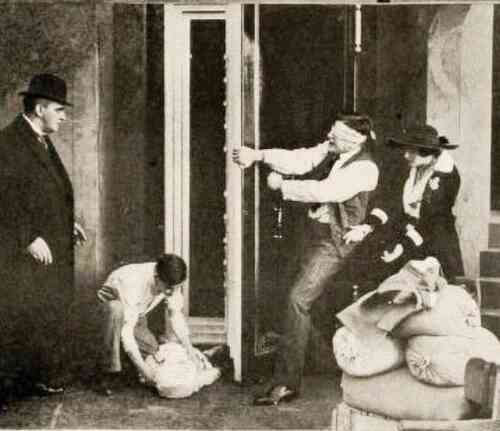
Technically, the restoration circulating via Kino Lorber’s 4K transfer exposes textures previously smothered in dupes: the glint of Jimmy’s tie pin replicates a star dying in real time; the grain dances like silt in underwater caves. The tinting strategy—amber interiors, steel-blue exteriors—serves as emotional shorthand, a trick later borrowed by Sirk’s Technicolor weepies. Composer Philip Carli’s new score eschews nostalgic pastiche; instead, he threads barrel-house piano with atonal strings, capturing the moment when jazz—like Jimmy—was learning to counterfeit respectability.
Compared to Tourneur’s own The Bells or the dime-novel antics of The Hazards of Helen, Alias Jimmy Valentine feels shockingly restrained. There are no last-minute train rescues, no mustache-twirling villains; even the bank president is rendered as a kindly bumbler whose greatest crime is trusting ledgers more than people. That humanism radiates outward, so that the film’s true suspense lies not in whether Jimmy will crack the vault, but whether he will crack himself open and find something worth salvaging.
Film historians eager to trace the genealogy of anti-heroes—from Ring Lardner’s horse-player stories to Walter Neff’s insurance scam—should start here. Jimmy’s existential ledger is inked with the same paradox that will later define Sam Spade and Tony Soprano: the awareness that virtue, like a bank vault, is only as strong as the man who refuses to exploit its combination.
Ultimately, Alias Jimmy Valentine endures because it stages crime not as spectacle but as metaphysics. Every safe Jimmy cracks is a stand-in for the human heart: triple-walled, timed to detonate, yet surprisingly susceptible to the tremolo of a girl’s trust. Tourneur’s camera, fluid as mercury and twice as toxic, watches that detonation without flinching, leaving us stranded between admiration and complicity. Long after the credits, you may find yourself listening for the phantom click of tumblers in your own chest, wondering which version of yourself is waiting on the other side of the door.
A pre-noir miracle whose shadows feel freshly poured. Tourneur fuses O. Henry’s irony with a visual poetry that anticipates Lang and Kubrick, delivering a redemption story that refuses to redeem the world—only the man willing to walk back into his cage. Essential viewing for anyone who believes the silent era whispered more loudly than the talkies ever shouted.
IMDb 6.2
1936
Community
Log in to comment.