DbcultAccessing Vault...
4.9/10
Senior Film Conservator
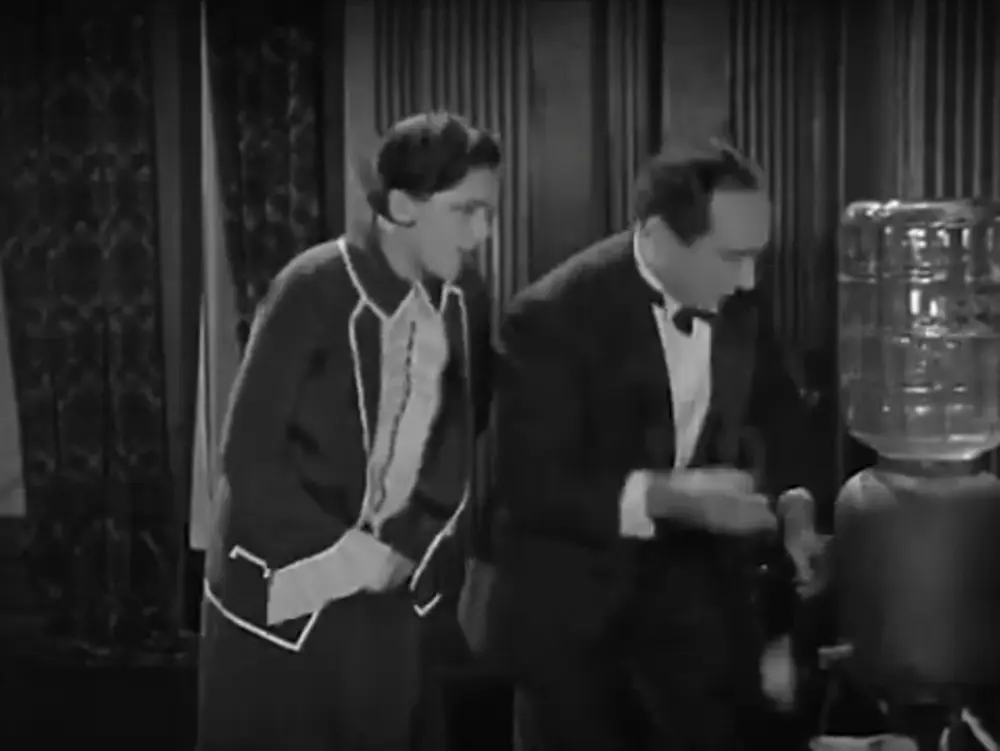
A definitive 4.9/10 rating for a film that redefined the boundaries of cult cinema. Alibi Alley remains a cornerstone of transgressive art.
Is Alibi Alley a forgotten comedic gem or just another relic of the silent era? Short answer: yes, it remains a fascinating study in kinetic energy, though its social politics are firmly stuck in the past. This film is for those who appreciate the mechanical precision of 1920s slapstick and the evolution of the 'henpecked husband' trope. It is definitely not for viewers who demand nuanced character development or a break from traditional gender stereotypes.
Understanding Alibi Alley requires looking past its simple premise. It isn't just about a man hiding from his wife; it is about the shared language of male failure in the early 20th century. Jimmy Aubrey brings a specific, jittery energy that differs from the grace of Keaton or the pathos of Chaplin. He is the comedian of the common struggle.
This film works because it utilizes the 'doubling' effect to create a rhythmic comedy of errors between the boss and the employee.
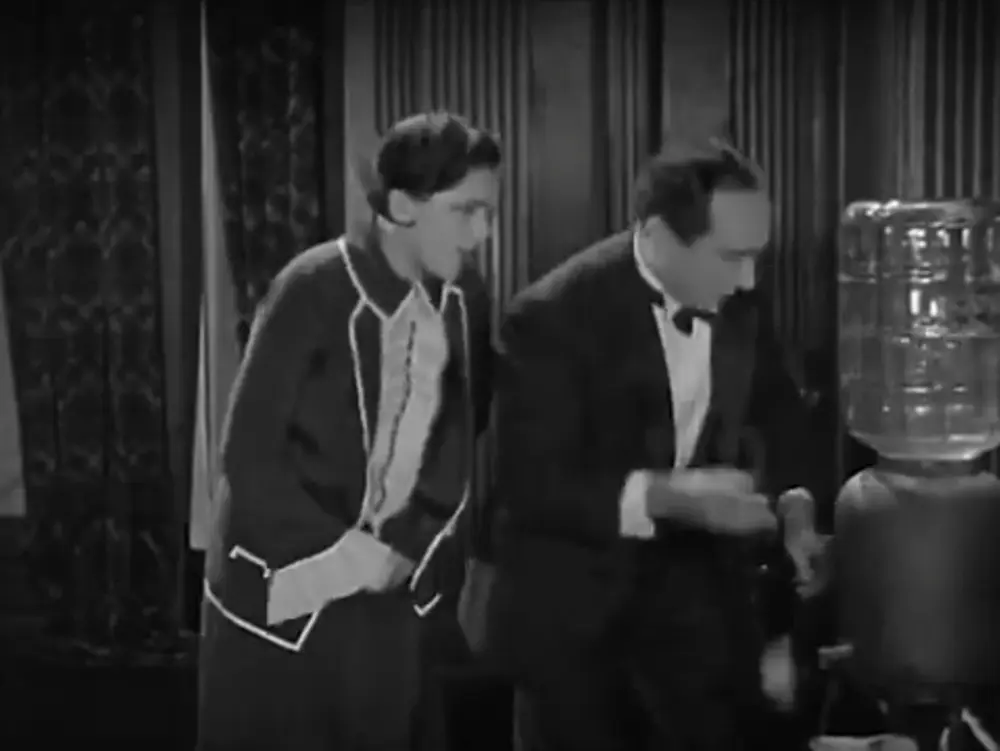
This film fails because the third act becomes a repetitive loop of chases that lose the cleverness of the initial setup.
You should watch it if you want to see how early cinema handled the intersection of workplace stress and domestic dread.
Jimmy Aubrey is often unfairly dismissed as a Chaplin imitator. In Alibi Alley, he proves he has a distinct, albeit more aggressive, comedic vocabulary. While Chaplin sought sympathy, Aubrey seeks survival. Every fall he takes feels like a genuine consequence of his character's poor life choices.
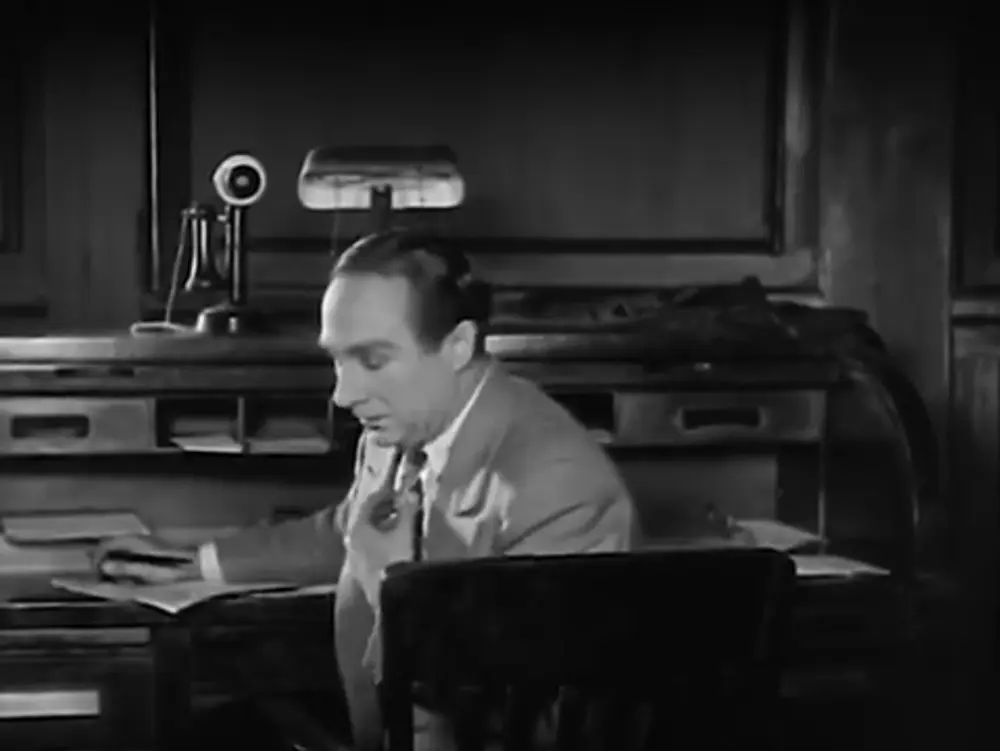
Consider the scene where Aubrey’s character attempts to sneak into his own home. The way he uses his umbrella as both a tool and an obstacle is a masterclass in prop comedy. It’s not just a gag; it’s a physical manifestation of his clumsiness. He isn't dancing with the object; he is at war with it.
This performance anchors the film. Without Aubrey's specific facial contortions, the thin plot would evaporate. He manages to make a character who is fundamentally dishonest feel somewhat relatable. We don't like him, but we understand his panic. It works. But it's flawed.
The film leans heavily on the 'battle of the sexes' which dominated early 1900s humor. The mother-in-law is portrayed as a looming shadow of judgment. This is a common theme in films like Thirty a Week, where domestic expectations clash with financial reality. However, Alibi Alley adds a layer of workplace cynicism.
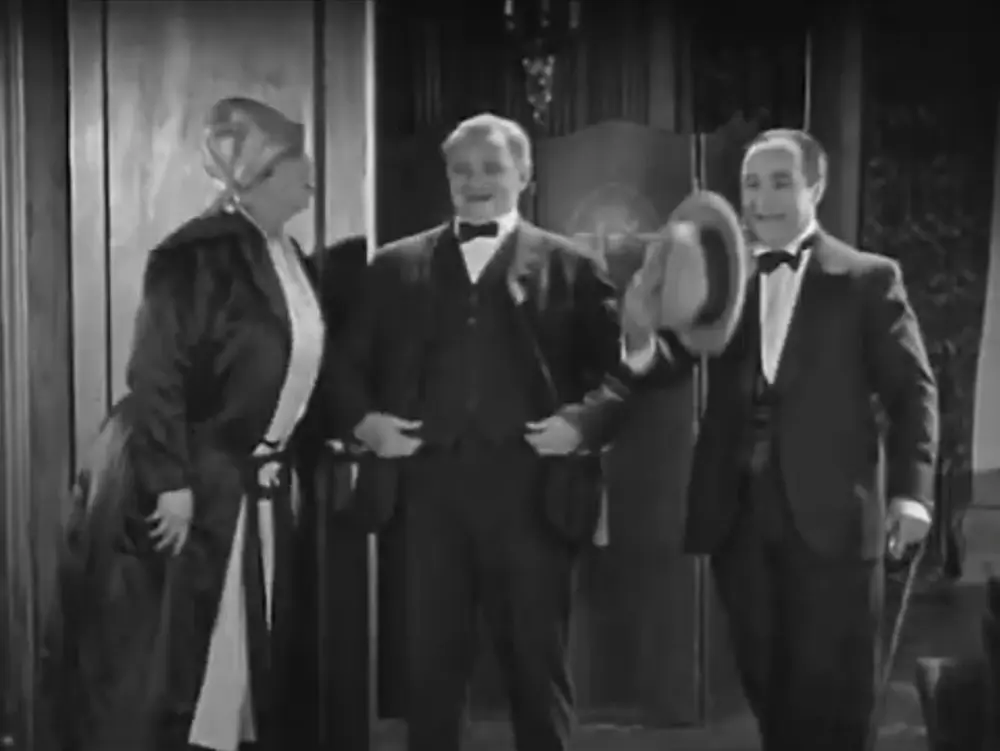
The parallel between the protagonist and his boss is the film's strongest narrative choice. It suggests that no matter how much money or power a man has, he is still terrified of the women in his life. This was a safe, relatable joke for 1920s audiences. Today, it feels like a time capsule of cultural anxieties.
The 'Alley' itself serves as a metaphorical neutral zone. It is a place where social hierarchies disappear. In the alley, the boss and the clerk are just two men with the same problem. This spatial storytelling is surprisingly sophisticated for a short comedy of this era.
Technically, the film is standard for the period, but the editing rhythm is noteworthy. The cuts between the workplace and the home create a sense of mounting pressure. We see the trouble brewing at the office while knowing that the trouble at home is already boiling over. This cross-cutting builds a tension that can only be released through physical violence.
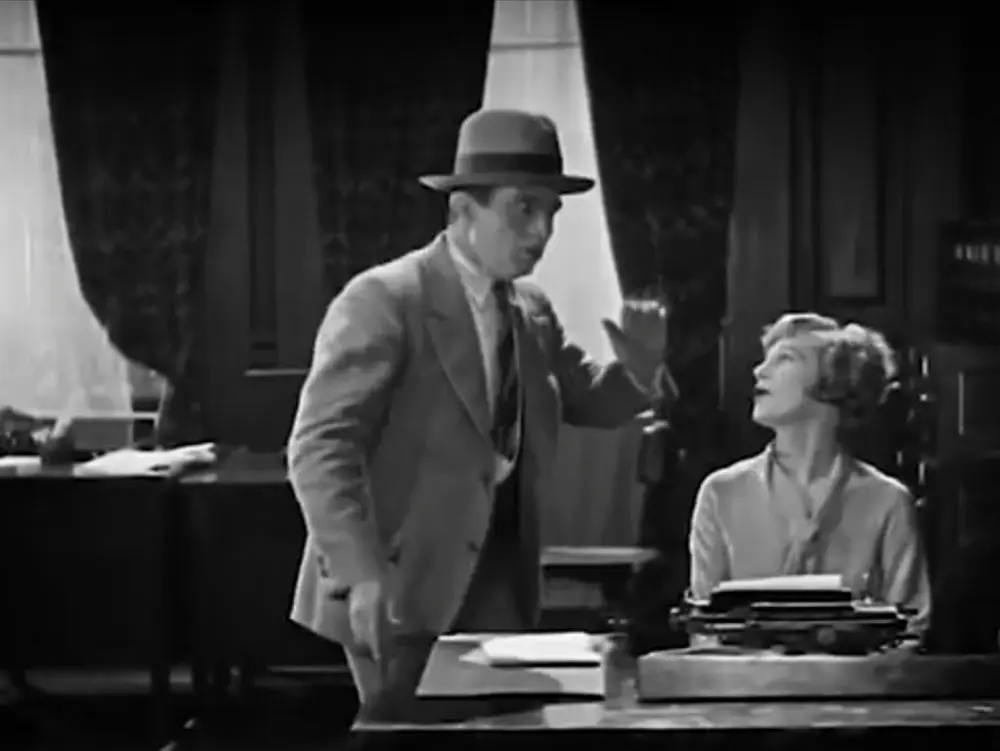
The lighting in the exterior alley scenes is surprisingly moody. It creates a noir-lite atmosphere that predates the genre. It’s almost as if the film is mocking the seriousness of a crime drama. The stakes are low—just a missed dinner or a late report—but the film treats them with the gravity of a murder mystery.
Compare this to the more dramatic lighting in The Mysteries of Myra. While that film used shadows for horror, Alibi Alley uses them to hide a man behind a trash can. It’s a clever subversion of visual language. The camera remains mostly static, but the movement within the frame is relentless.
If you are looking for a deep emotional experience, look elsewhere. However, if you want a 20-minute burst of historical humor that explains the roots of the modern sitcom, then Alibi Alley is essential viewing. It provides a bridge between the vaudeville stage and the televised comedies of the 1950s.
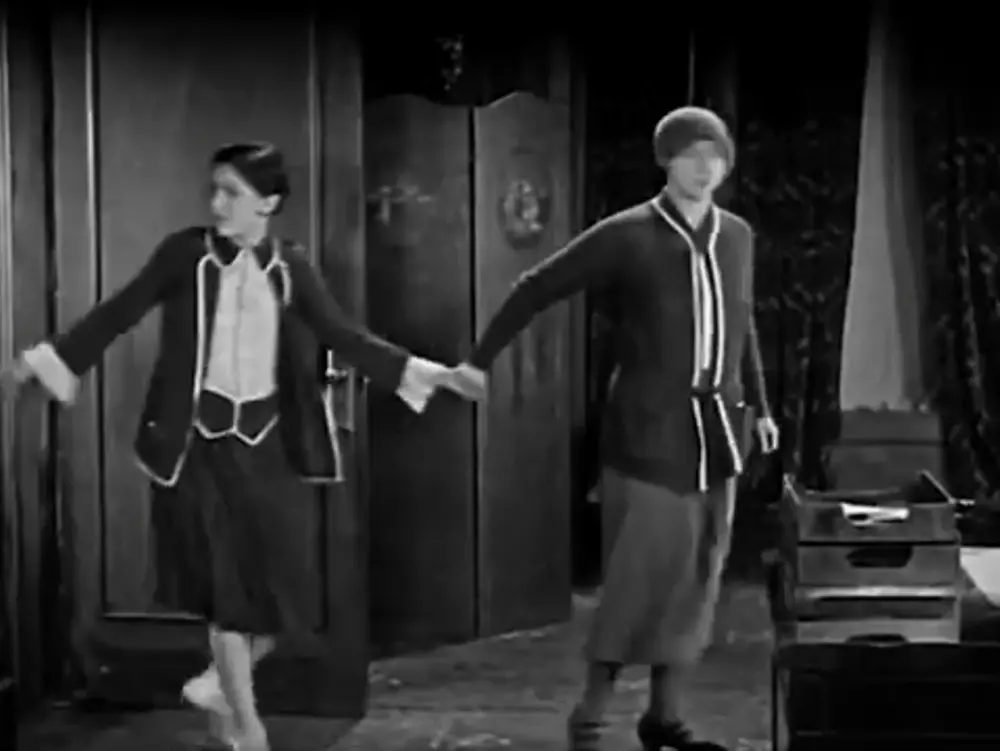
The film’s brevity is its greatest strength. It doesn't overstay its welcome. It delivers its punchlines with the speed of a machine gun. Even when the jokes don't land, the sheer effort on screen is admirable. It is a work of high-effort, low-stakes entertainment.
Pros:
The chemistry between Jimmy Aubrey and the supporting cast is electric. The pacing is incredibly fast, making it an easy watch. The 'alley' setting is used creatively to frame the action.
Cons:
The plot is paper-thin and relies on coincidence. The female characters are relegated to one-dimensional obstacles. Some of the gags feel recycled from earlier Aubrey shorts like A Close Shave.
We see echoes of Alibi Alley in everything from 'The Honeymooners' to 'Married... with Children.' The idea of the home as a place of conflict rather than a sanctuary is a powerful comedic engine. Aubrey plays this to the hilt. He is the original 'loser' protagonist that we can't help but watch.
The film also touches on the 'doubled life.' The man at work is a different person than the man at home. When these two worlds collide in the alley, the comedy arises from the total collapse of his persona. It is a brutal, simple, and effective way to generate laughs.
While it lacks the epic scale of Beasts of Paradise or the dramatic weight of Anna Karenina, it succeeds in its narrow goal. It wants to make you laugh at a man falling down. And it does.
Alibi Alley is a loud, messy, and occasionally brilliant piece of silent cinema. Jimmy Aubrey may not have the legendary status of his peers, but his work here shows why he was a staple of the era. The film is a frantic sprint through the anxieties of the 1920s male. It is far from perfect, but its energy is infectious. Watch it for a glimpse into the DNA of the modern comedy of errors. It is a minor work, but a fascinating one nonetheless.
IMDb 6
1932
Community
Log in to comment.