DbcultAccessing Vault...
4.9/10
Senior Film Conservator
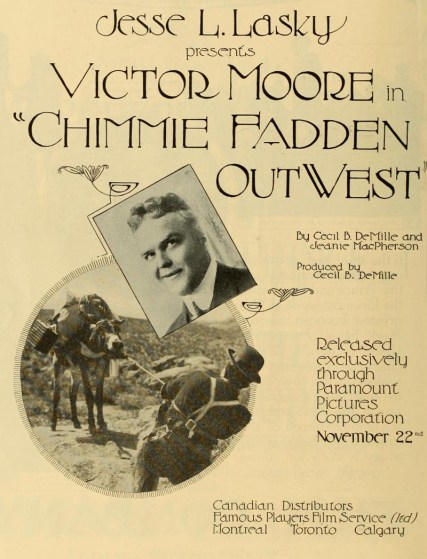
A definitive 4.9/10 rating for a film that redefined the boundaries of cult cinema. Chimmie Fadden Out West remains a cornerstone of transgressive art.
Stepping back into the nascent years of American cinema, one encounters a fascinating tapestry of evolving narratives and nascent directorial voices. Among these, Cecil B. DeMille stands as an undeniable titan, even in his earliest works, and Chimmie Fadden Out West (1915) offers a captivating glimpse into his formative period, a time when the Western genre was still finding its footing, often intertwined with elements of comedy and social commentary. This particular silent feature, a follow-up to the successful Chimmie Fadden, plunges its titular character, played with endearing ineptitude by the inimitable Victor Moore, into a grand, if ultimately farcical, scheme dreamt up by railroad magnates. It’s a compelling blend of frontier adventure, corporate greed, and the inherent absurdity of human ambition, all unfolding against the stark, unforgiving backdrop of Death Valley.
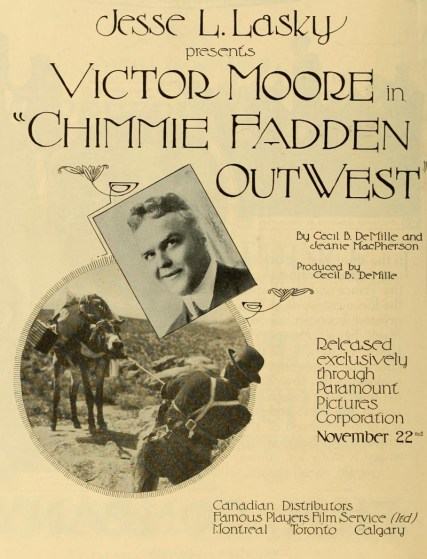
At its core, Chimmie Fadden Out West is a narrative spun from the threads of audacious deception. The plot, conceived by writers Jeanie Macpherson, E.W. Townsend, and Cecil B. DeMille himself, centers on a railroad company’s elaborate plan to manipulate public perception and, presumably, stock prices. Chimmie, a seemingly innocuous individual, is thrust into the role of an unwitting pawn, dispatched to the desolate reaches of Death Valley, California. His primary directive: to 'discover' a fictitious gold strike, thereby generating immense excitement and diverting attention. This manufactured discovery is merely the first act in a two-part corporate ballet. The second, equally ambitious, involves Chimmie then undertaking a lightning-fast journey eastward, setting a new transcontinental speed record for the railroad. The underlying premise is a cynical yet darkly humorous reflection on the era’s rampant industrial expansion and the lengths to which corporations would go to secure dominance and profit. It’s a fascinating precursor to later films that would critique capitalistic excesses, albeit presented here with a lighter, more comedic touch.
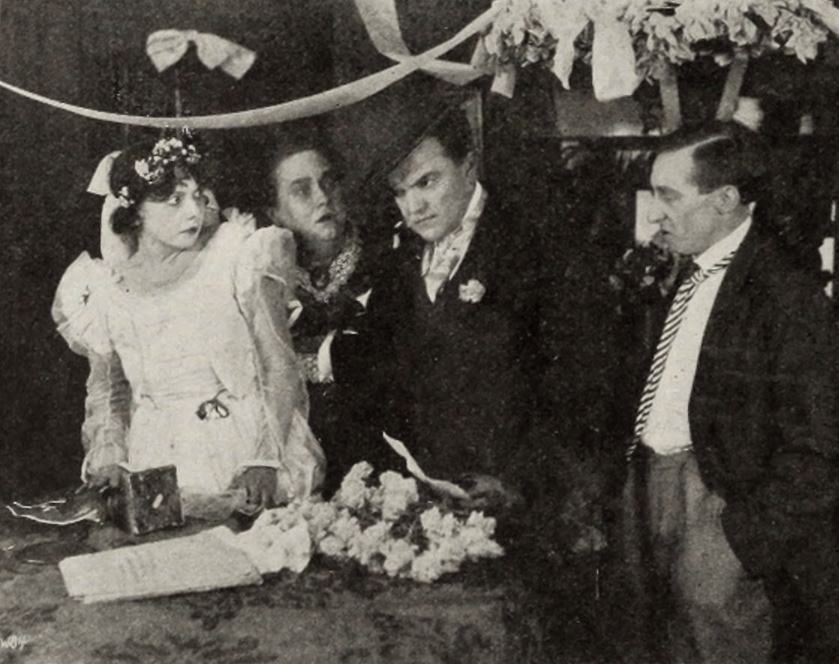
Victor Moore’s portrayal of Chimmie Fadden is undoubtedly the beating heart of this cinematic endeavor. Moore, a vaudeville veteran, brought a distinctive physical comedy and a nuanced understanding of the 'everyman' character to the screen. In a silent film, where dialogue is absent and emotions must be conveyed through gesture, facial expression, and posture, Moore’s performance is a masterclass. He imbues Chimmie with a blend of earnestness and bewilderment, making him sympathetic even as he participates in a fraudulent scheme. One can almost feel Chimmie’s growing discomfort as the reality of his situation sinks in, his initial enthusiasm slowly giving way to a dawning realization of the precariousness of his position. This is not merely slapstick; it’s a subtle comedic performance that relies on the audience’s empathy for a character caught between powerful forces and his own moral compass. His interactions, particularly with Camille Astor, who plays a pivotal role in the narrative's unfolding, provide much of the film’s emotional resonance and comedic spark. Astor, along with Ernest Joy, Tom Forman, Florence Dagmar, Raymond Hatton, Harry Hadfield, and Mrs. Lewis McCord, contributes to a robust ensemble that effectively supports Moore's central performance, each character adding a layer to the intricate deception and its inevitable unraveling.
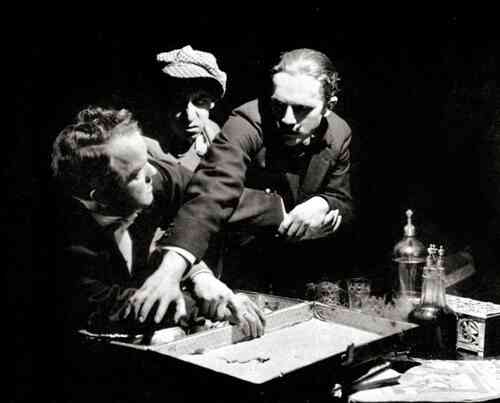
The choice of Death Valley as the primary setting is nothing short of inspired. This isn't merely a picturesque backdrop; it actively functions as a character within the narrative, its harsh, desolate beauty amplifying the film's themes. The arid landscape, with its stark mountains and vast, empty expanses, visually underscores the isolation and inherent dangers of Chimmie's mission. It’s a place where secrets are hard to keep and survival itself is a constant struggle. DeMille, even at this early stage, understood the power of location to shape mood and narrative. The contrast between the grand, ambitious railroad scheme and the raw, untamed wilderness provides a powerful visual metaphor for humanity's often futile attempts to control nature and circumstance. The cinematography captures the vastness and the oppressive heat, conveying a sense of both awe and impending doom. Films like The Darkening Trail or In the Days of the Thundering Herd, while perhaps more focused on traditional Western action, also leveraged the power of natural landscapes, but Chimmie Fadden Out West uses its setting to highlight the absurdity of the human-made plot.
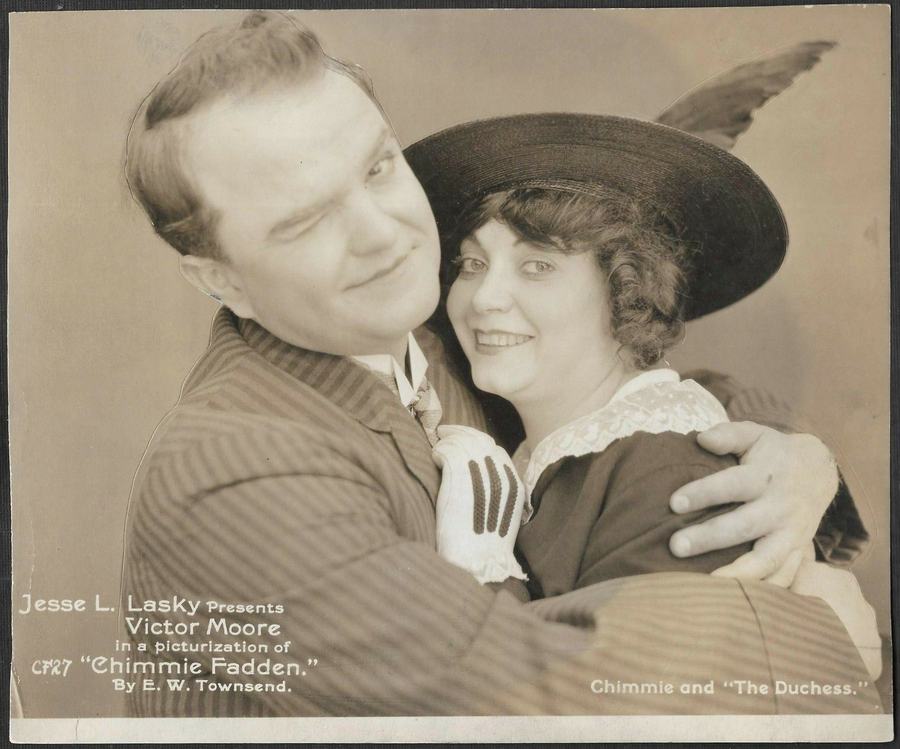
Cecil B. DeMille’s directorial hand, even in 1915, is evident in the film’s pacing and visual storytelling. While not yet the epic spectacle director he would become, his knack for engaging narratives and strong character focus is already apparent. He masterfully uses intertitles not just to convey dialogue but to advance the plot and inject humor, a crucial element in silent comedy. The film’s narrative structure, moving from the initial setup of the railroad scheme to Chimmie’s arrival in Death Valley and the subsequent complications, is expertly handled. The pacing ensures that the audience remains invested in Chimmie's predicament, eagerly anticipating how his manufactured gold discovery will inevitably go awry. The film’s ability to build suspense and deliver comedic payoffs without spoken words is a testament to DeMille’s burgeoning skill and the collaborative genius of his writing team, particularly Jeanie Macpherson, whose contributions to early cinema writing are often underappreciated. Her role in crafting compelling, character-driven narratives was instrumental in shaping the nascent art form.
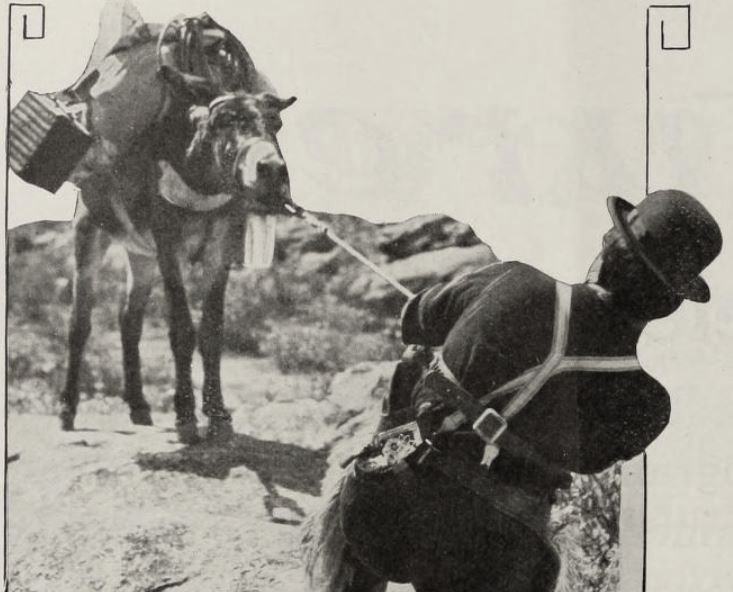
As the plot unfolds, the meticulously constructed deception begins to fray at the edges. What starts as a seemingly foolproof plan devolves into a comedy of errors, with Chimmie finding himself increasingly entangled in the consequences of his fabricated discovery. The film cleverly explores the ethical ambiguities of the scheme, presenting a scenario where corporate avarice clashes with the unpredictable nature of human interaction and the raw realities of the frontier. The 'doesn't quite work out that way' aspect of the plot description is where the film truly shines, transforming a simple premise into a delightful exploration of unintended consequences. This narrative thread resonates with other films of the era that explored similar themes of fraud and its repercussions, such as A Mexican Mine Fraud; or, The Game That Failed, which similarly delves into the complexities of deceit in pursuit of wealth. However, Chimmie Fadden Out West injects a stronger vein of humor, making its critique more palatable and entertaining.
While primarily an entertaining Western comedy, Chimmie Fadden Out West also subtly critiques the speculative booms and busts of the early 20th century. The gold rush myth, a powerful force in American consciousness, is here reduced to a tool of corporate manipulation. The film, through its comedic lens, invites audiences to ponder the true cost of unchecked ambition and the illusion of easy wealth. It's not as overtly political as The Italian, which offered a stark portrayal of immigrant struggles, but its commentary on corporate ethics is nonetheless present. The film’s enduring appeal lies in its ability to blend genuine humor with a nascent sense of social observation. It's a reminder that even in the early days of cinema, filmmakers were grappling with complex themes, often cloaked in accessible genres. The performances, particularly from Victor Moore, elevate the material beyond mere spectacle, grounding the fantastical scheme in relatable human emotion.
In the grand tapestry of silent film, Chimmie Fadden Out West holds a unique position. It's a testament to the versatility of the Western genre, demonstrating its capacity for comedy and critique alongside traditional adventure. DeMille’s involvement, coupled with the strong writing and engaging performances, makes it a valuable artifact for understanding early Hollywood. It showcases the evolving techniques of cinematic storytelling, particularly in how humor and dramatic tension could be effectively conveyed without dialogue. The film doesn't aim for the epic scope of a Les misérables adaptation or the ethnographic detail of Glacier National Park, but it carves its own niche as a charming and insightful piece of Americana. The film's relative obscurity today belies its intrinsic value as a piece of entertainment and a historical document of early 20th-century American culture and industry.
The casting, with Victor Moore leading the charge, was a stroke of genius. His ability to convey a wide range of emotions and comedic timing without uttering a single word is remarkable. Camille Astor, as his counterpart, brings a necessary groundedness, often serving as the voice of reason or the catalyst for change in Chimmie's increasingly complex situation. The interplay between the characters, even through exaggerated gestures and expressions typical of the era, feels surprisingly authentic. It’s a delicate balance to strike, making characters both broadly comedic and genuinely relatable, and this film largely succeeds. The supporting cast, including Ernest Joy and Tom Forman, each contribute distinct personalities that enrich the narrative, preventing it from becoming a mere one-man show. Their reactions to Chimmie's antics and the unfolding deception provide crucial context and further the comedic momentum. The film is a fascinating example of how ensemble acting was already a critical component of successful silent productions.
Ultimately, Chimmie Fadden Out West is more than just a historical curiosity; it's an enjoyable and surprisingly relevant piece of cinema. It reminds us that the themes of ambition, deception, and the human element disrupting grand plans are timeless. Its blend of Western setting, comedic misadventure, and subtle social commentary makes it a compelling watch for anyone interested in the foundational works of American film. While not as widely celebrated as some of DeMille's later blockbusters, it stands as a testament to his early versatility and the enduring charm of silent-era storytelling. It offers a delightful escape into a bygone era, where the promise of gold in the desert could still ignite frenzies, and a simple railroad scheme could lead to a captivating cinematic journey. It's a small, bright star in the vast constellation of early Hollywood, deserving of renewed attention and appreciation.
IMDb 6.8
1924
Community
Log in to comment.