A definitive 6.5/10 rating for a film that redefined the boundaries of cult cinema. Wrath of the Seas remains a cornerstone of transgressive art.
Is “Wrath of the Seas” a forgotten gem worth unearthing today? Short answer: yes, but with significant caveats that demand a particular kind of viewer. This film is an essential watch for cinephiles interested in early 20th-century German cinema, particularly those fascinated by how grand historical conflicts were interpreted through deeply personal, often melodramatic, lenses.
Conversely, it is decidedly not for audiences seeking fast-paced action, nuanced character development by modern standards, or a straightforward historical account without the overlay of intense romantic drama.
The Unfolding Tempest: A Deep Dive into "Wrath of the Seas"
“Wrath of the Seas” arrives as a fascinating artifact from an era of cinematic experimentation, a bold attempt to fuse the colossal scale of World War I naval warfare with an intimate, scandalous melodrama. It’s a film that demands patience and a willingness to engage with the stylistic conventions of early filmmaking, but rewards those who do with a glimpse into the anxieties and moral complexities of a world torn apart by conflict.
The film’s audacity lies in its central conceit: transforming the vast, impersonal horror of the Battle of Jutland into a crucible for personal betrayal and emotional devastation. It’s a narrative choice that, while perhaps overwrought by today’s standards, speaks volumes about the popular appetite for heightened drama during the period.
Here’s the unfiltered truth about this cinematic relic:
This film works because: It possesses an audacious ambition to intertwine a massive historical event with an intensely intimate, scandalous narrative. Its scope, for its time, is commendable, and the emotional stakes, though heightened, resonate with a raw, if unsubtle, power.
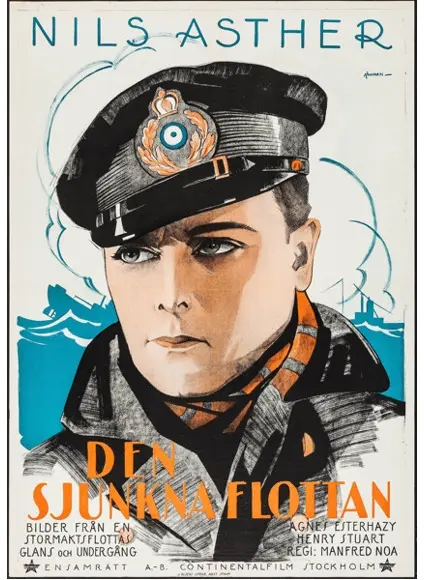
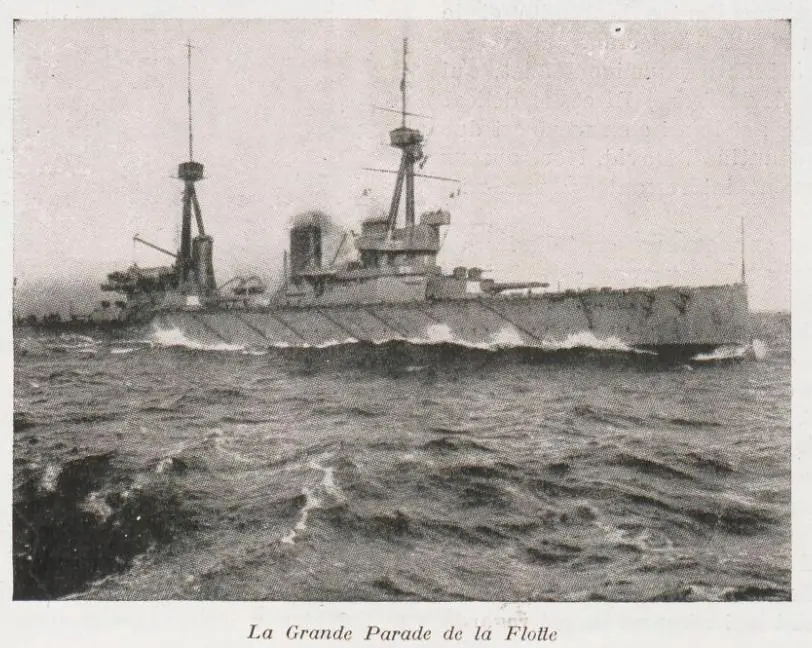
Scene from Wrath of the Seas
Cinematic perspective: Exploring the visual vocabulary of Wrath of the Seas (1926) through its definitive frames.
This film fails because: Its pacing can be glacial, its character motivations occasionally stretch credulity to breaking point, and some of its dramatic contrivances feel dated, bordering on the overwrought and even comical at times.
You should watch it if: You appreciate historical cinema that prioritizes emotional spectacle over strict historical accuracy, and if you are willing to engage with the unique storytelling rhythms and visual language of early 20th-century filmmaking.
A Friendship Forged, Then Fractured
The core of “Wrath of the Seas” is built upon a foundation of shattered loyalty. We are introduced to two navy commanders, one English, one German, whose bond of friendship transcends national borders before the outbreak of World War I. This establishes a poignant, almost Shakespearean, irony: men who once shared camaraderie are now destined to face each other across a deadly expanse of ocean.
The Battle of Jutland serves as the epic backdrop, a historical event of immense scale and tragic loss. However, the film wisely, or perhaps necessarily for its era, chooses to focus less on the tactical intricacies and more on the personal toll. This isn't a documentary; it's a human drama amplified by war.
It's in the domestic sphere that the true wreckage occurs. The German commander's wife, a figure of increasing desperation, embarks on a series of relationships. Her initial involvement with a subordinate officer is a betrayal of trust, a crack in the foundation of her marriage. But it’s her later entanglement with the English commander – her husband's former friend and now sworn enemy – that truly elevates the narrative to a operatic level of tragedy.
This love triangle, set against the backdrop of global conflict, is the film's beating heart. It explores themes of infidelity, the psychological strain of war on those left behind, and the ultimate destruction of personal bonds when caught in the machinery of nationalistic fervor. It’s a brutal examination of how war doesn’t just destroy lives on the battlefield, but also shatters the very fabric of personal relationships.