DbcultAccessing Vault...
6.1/10
Senior Film Conservator
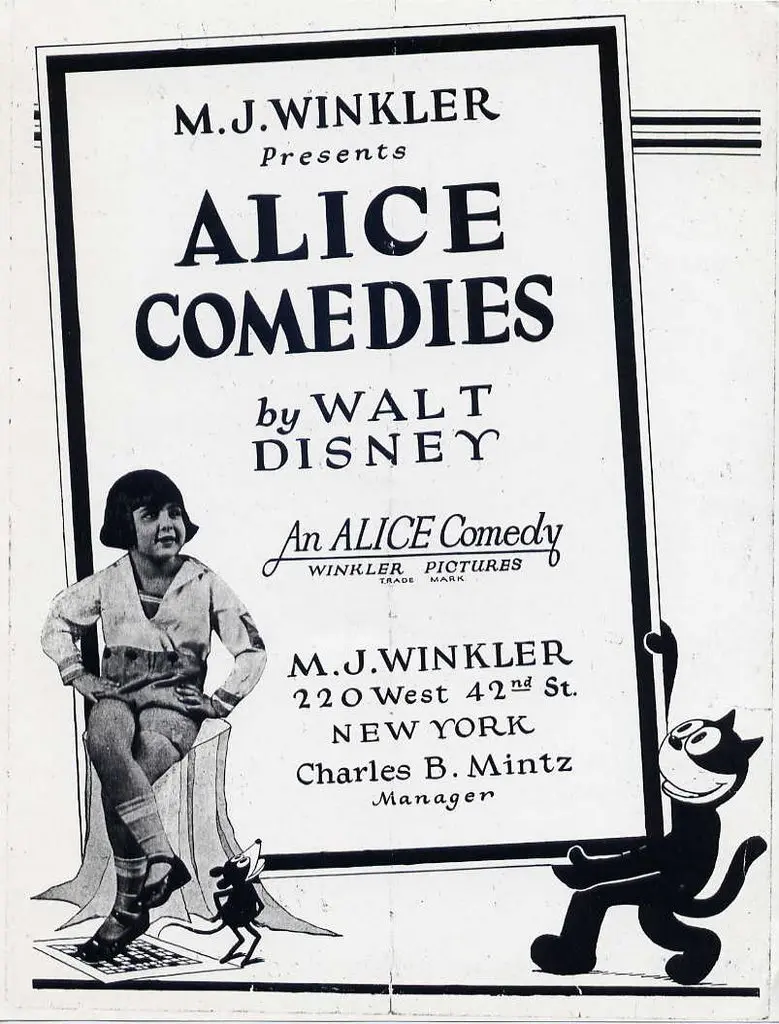
A definitive 6.1/10 rating for a film that redefined the boundaries of cult cinema. Alice in the Klondike remains a cornerstone of transgressive art.
Is Alice in the Klondike worth watching today? Short answer: yes, but with significant caveats that ground it firmly in its historical context rather than as a universally engaging narrative. This silent-era relic primarily serves as a fascinating artifact for cinephiles, historians, and those with a deep appreciation for the foundational storytelling techniques of early cinema.
It is absolutely for viewers who revel in the stark, often melodramatic, beauty of films from the 1920s, particularly those interested in the Klondike Gold Rush as a narrative backdrop and the earnest performances characteristic of the period. However, it is decidedly NOT for anyone seeking modern pacing, complex character development, or high-fidelity visual and auditory experiences. Expect a window into a bygone era, a historical curiosity, not a contemporary blockbuster designed for passive consumption.
Let’s get straight to the bedrock of this silent adventure, dissecting its fundamental components.
Alice in the Klondike plunges us into the icy grip of the Yukon, a setting synonymous with dreams of instant wealth and the harsh realities of human nature. The premise is as elemental as the gold sought: two prospectors, Julius and Alice, strike it rich, only to find their newfound prosperity threatened by the avarice of a rival, Pete. This isn't a tale of moral ambiguities; it's a straightforward battle of good versus greed, a trope that resonated deeply with audiences of the era, offering clear heroes and villains.
The film’s narrative engine is fueled by the primal urge for survival and the defense of one’s rightful claim. It’s a classic Western archetype transplanted to the snowy North, where the “frontier justice” often had to be self-administered. The simplicity of this setup is both its strength and its limitation. It allows for immediate engagement with the stakes, but leaves little room for thematic exploration beyond the surface-level conflict of possession.
We witness the thrill of discovery, the back-breaking labor, and the ever-present threat of a claim jumper. The film wastes no time establishing Pete as the clear antagonist, a shadowy figure whose motives are transparently malevolent. His actions, from subtle intimidation to overt attempts to seize the claim, drive the bulk of the conflict. This directness, while perhaps simplistic by today’s standards, was a hallmark of silent storytelling, relying on broad strokes to convey character and intent without the luxury of spoken dialogue or extensive backstory.
“The Klondike setting, though perhaps not always authentically rendered, serves as a powerful metaphor for the harsh world where human values are stripped bare, leaving only ambition and desperation.”
The tension builds not through intricate twists, but through a series of escalating confrontations, each designed to heighten the audience's investment in Julius and Alice’s plight. Imagine a scene where Pete attempts to sabotage their equipment, or perhaps subtly alter their claim markers. The narrative would then pivot to Alice and Julius's desperate efforts to counteract his schemes, culminating in a dramatic showdown. It’s a narrative structure built for immediate emotional response, a quality that, when viewed with historical empathy, remains surprisingly effective. The film understands its audience and delivers exactly what was expected: a clear conflict, identifiable heroes, and a satisfying resolution, even if predictable.
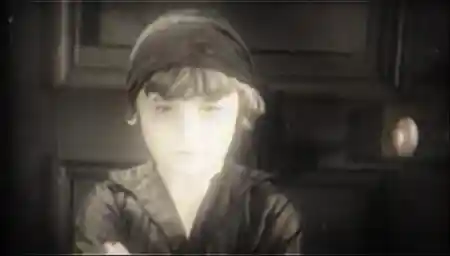
As Alice, Lois Hardwick carries a significant portion of the film’s emotional weight. Hardwick, a prominent child actress of her time, brings a specific brand of earnestness to the screen. Her performance, typical of child actors in the silent era, relies heavily on exaggerated facial expressions and broad physical gestures to convey emotion. This style, often perceived as over-the-top by contemporary viewers, was the lingua franca of silent cinema, particularly for younger performers who needed to project their feelings without the aid of spoken words, ensuring every emotion registered clearly from the back rows of a theater.
In a particular sequence, as Pete’s threats escalate, Hardwick’s wide-eyed fear and subsequent determination are palpable. One can envision her clutching at Julius’s arm, her face a mask of trepidation, before a quick cut shows her gathering herself, perhaps picking up a shovel or a pan, signaling her resolve to fight for their claim. Her small stature juxtaposed against the vast, dangerous landscape and the menacing figure of Pete creates a powerful visual dynamic. It’s a testament to her screen presence that she manages to convey vulnerability without appearing entirely helpless, embodying a certain resilience that makes her character sympathetic and a genuine participant in the struggle.
One might compare her expressive style to other child stars of the era, such as Jackie Coogan in The Sleepyhead or even some of the early work of Mary Pickford, who, though older, often played youthful, innocent roles. Hardwick’s Alice is less about nuanced internal struggle and more about reacting to external pressures, a mode of performance perfectly suited for the direct storytelling of the period. Her reactions are immediate, clear, and designed to elicit an equally immediate emotional response from the audience, a crucial element for silent film engagement.
Her portrayal, while not complex, is effective in anchoring the human element amidst the rugged backdrop. She is the innocent caught in a grown-up struggle, a classic trope that still resonates. Her ability to elicit empathy through simple, clear reactions is perhaps her greatest strength here, making Alice a character the audience can genuinely root for, despite the limited scope of her development. It's a performance that understands its medium and its audience, delivering exactly what was needed to keep the

IMDb —
1931
Community
Log in to comment.