DbcultAccessing Vault...
4.2/10
Senior Film Conservator
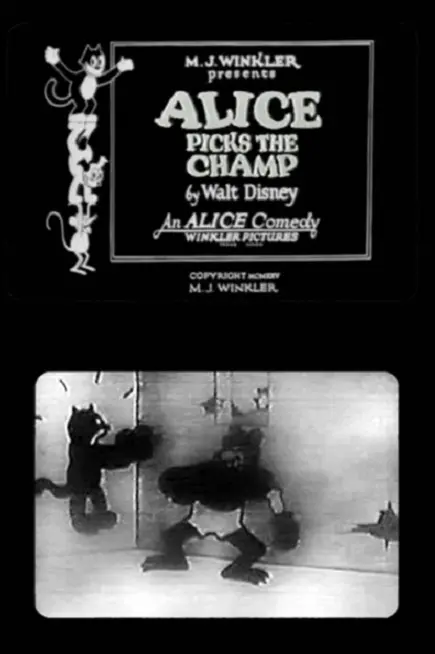
A definitive 4.2/10 rating for a film that redefined the boundaries of cult cinema. Alice Picks the Champ remains a cornerstone of transgressive art.
Alice Picks the Champ is a film that defies traditional narrative structures, instead opting for a series of interconnected comedic vignettes that explore the relationship between a cat named Julius, a menacing bear, and their human owner, Alice. The film opens with Alice’s typical morning routine, which is soon disrupted by the unexpected and irreverent behavior of Julius and the mysterious bear who has invaded their home. This domestic comedy is not your typical family-friendly fare; it’s an exploration of primal instincts, unlikely friendships, and the inescapable chaos that comes with sharing one’s life with unexpected creatures.
The central conflict of Alice Picks the Champ centers around the unexpected and somewhat absurd rivalry between Julius the cat and the bear. This competition, which involves more bumbling and misadventures than actual fighting, is a testament to the film’s ability to delight audiences with its unpredictability. Alice, portrayed by Margie Gay, stands as a witness to this chaotic yet lovingly observed scenario, her adoration for both her cat and the bear providing a counterpoint to the film’s more humorous moments.
Directorial choices in Alice Picks the Champ are a medley of imaginative and spontaneous storytelling elements. The film employs a mix of live-action sequences and perhaps even some early forms of animation or stop-motion, which contribute to the unique visual language. These techniques are used sparingly but effectively, enhancing the film’s ability to create a dreamlike and whimsical atmosphere. The use of color is particularly noteworthy, with vibrant hues that add to the film’s overall charm and whimsical quality.
The film's humor is both subtle and overt, often finding its strength in the unexpected juxtaposition of characters and situations. For instance, the bear’s presence is initially a source of fear and confusion for Alice and Julius, but it quickly becomes a source of playful companionship and unintended camaraderie. This transformation is a crucial element of the film’s narrative, highlighting themes of acceptance, friendship, and the unexpected bonds that can form between unlikely beings.

One of the film’s most compelling aspects is its portrayal of Alice. Margie Gay’s performance is a perfect blend of tenderness and humor, capturing the essence of a woman who finds joy in the chaos of her home. Her relationship with Julius, particularly, is a heartwarming subplot that showcases the film’s ability to balance humor with emotional depth. The bear, on the other hand, is a character that carries a sense of mystery and otherworldliness, making it a natural antagonist and a source of comedic tension.
Comparing Alice Picks the Champ to other films of the era can provide a richer understanding of its unique qualities. For instance, it shares some thematic similarities with The Red Circle, another film that explores the absurdity of domestic life. However, Alice Picks the Champ takes a more whimsical and affectionate approach, focusing more on the emotional connections between characters rather than the external conflict.
Visually, Alice Picks the Champ is a feast for the eyes, with a color palette that is both vibrant and soothing. The use of live-action and early animation techniques creates a sense of wonder and charm that is palpable throughout the film. The set design is simple yet effective, capturing the cozy and lived-in feel of a home where anything can happen.
In conclusion, Alice Picks the Champ is a film that not only entertains but also resonates on an emotional level. It is a testament to the power of imagination and the joy that can be found in the most unexpected of places. While it may not be for everyone, those who appreciate the delightfully absurd and the power of human (and non-human) connection will find much to love in this unique and charming film.

IMDb —
1928
Community
Log in to comment.