DbcultAccessing Vault...
Cult Review
Senior Film Conservator
To delve into the annals of early 20th-century cinema is to embark on a fascinating excavation, unearthing forgotten narratives and witnessing the nascent stages of an art form still grappling with its immense potential. Among these unearthed treasures, Joe May's Das Gesetz der Mine (The Law of the Mine), a compelling silent drama penned with William Kahn, stands as a stark, resonant artifact. This isn't merely a film; it's a cinematic testament to an era's moral complexities, a searing indictment of colonial hubris, and a poignant exploration of the human spirit's resilience against overwhelming odds. May, a prodigious figure in early German cinema, orchestrates a narrative that, even without spoken dialogue, communicates with a visceral power, drawing the viewer into a world where the earth's riches are inextricably linked to human suffering.
The film plunges us into the heart of a fictional German East African diamond mine, a place where the very ground groans under the weight of exploitation. Here, the 'law of the mine' is not merely a legal code but a brutal, unwritten decree dictating profit above all else. At its helm is Madame Dubois, a character of formidable presence brought to life by the incandescent Ellen Richter. Richter, a luminary of the silent screen, imbues Dubois with a chilling blend of calculated ruthlessness and enigmatic allure. She is not merely an antagonist; she is an embodiment of the era's colonial rapacity, her gaze as sharp and unforgiving as the diamonds she extracts from the earth. Her methods, devoid of any discernible humanity, are a direct reflection of a system that prioritizes material gain over the lives and dignity of the indigenous workforce. Her performance is a masterclass in silent screen acting, conveying layers of avarice and control through subtle gestures and piercing expressions, making her a truly memorable, if terrifying, figure.
Into this morally compromised world steps Herr Schmidt, portrayed by the earnest Max Landa. Landa, often cast as the intrepid detective or upright hero, here embodies the conflicted European idealist. Sent from Berlin with a mandate to modernize and, ostensibly, humanize the mine's operations, Schmidt arrives with a naive optimism that is soon shattered by the grim realities he encounters. His journey is one of profound disillusionment, as he grapples with the chasm between imperial rhetoric and the brutal truth of colonial practice. Landa skillfully conveys Schmidt's initial idealism, his growing horror, and his eventual determination to challenge the entrenched injustices. His performance anchors the film's moral compass, guiding the audience through the labyrinthine ethical dilemmas presented by the narrative. It’s a compelling portrayal of a man forced to confront the dark underbelly of his own civilization, a theme resonant in other historical dramas like The Loyal Rebel, which also explores the internal conflicts of protagonists caught in morally ambiguous struggles.
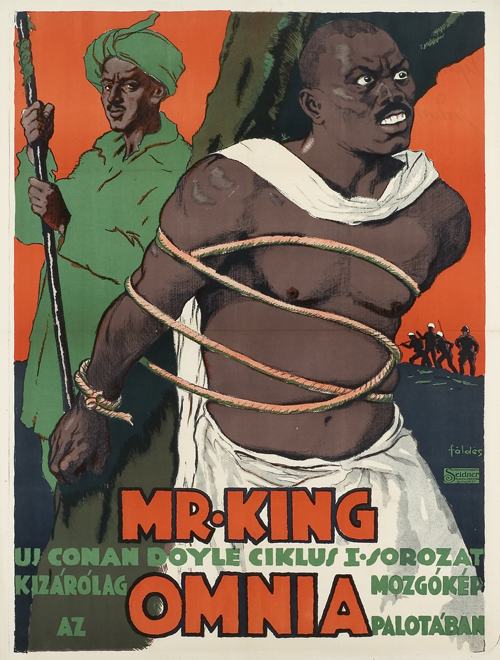
Yet, the true, indelible heart of Das Gesetz der Mine beats through the performance of Louis Brody as Kofi. Brody, a pioneering Afro-German actor, possessed a screen presence of unparalleled dignity and power, a gravitas that transcended the often-racially charged roles he was relegated to in early cinema. As Kofi, a revered elder of the local community, Brody is a revelation. He is not merely a victim; he is a custodian of ancient wisdom, a silent observer whose eyes hold the weight of generations of suffering and resilience. Kofi understands the true, ancient 'law of the land,' a stark contrast to the destructive 'law of the mine' imposed by the colonizers. Brody's performance is a masterclass in understated strength, conveying profound emotion and unwavering resolve through his posture, his measured movements, and the depth of his gaze. His character serves as a moral counterpoint to the European avarice, a voice of the exploited, even when that voice is conveyed entirely through visual storytelling. His portrayal elevates the film from a mere adventure tale to a significant piece of social commentary, highlighting the human cost of empire in a way few films of its time dared to do. One might draw parallels to the powerful, often silent, defiance seen in films like Strejken, where the collective struggle against oppression finds its voice in the quiet strength of its individuals.
Brody's presence is particularly crucial when considering the historical context of his career. In an era where Black actors were frequently relegated to caricature or background, Brody carved out a space of profound humanity and agency. His Kofi is not a passive figure but an active participant in the unfolding drama, guiding Schmidt, protecting his people, and ultimately embodying the enduring spirit of resistance. His scenes with Landa's Schmidt are particularly potent, illustrating the complex, often fraught, dynamics between colonizer and colonized, yet hinting at a shared humanity that transcends the imposed hierarchies. This nuanced interaction is a testament to the foresight of writers Joe May and William Kahn in crafting such a character, and to Brody's unparalleled ability to convey complex inner worlds without uttering a single word. It’s a performance that stands tall, much like the compelling portrayals in Judith of Bethulia, where strong, often marginalized, characters become the moral anchors of their respective narratives.
Joe May's directorial hand is evident throughout Das Gesetz der Mine, meticulously crafting a visual spectacle that never overshadows the film's profound thematic concerns. May, known for his grand productions and keen eye for detail, leverages the silent medium's strengths to create a world both expansive and claustrophobic. The sweeping shots of the African landscape provide a stark contrast to the dark, perilous confines of the mine shafts, visually reinforcing the dual nature of the colonial enterprise: the promise of vast wealth against the hidden brutality of its extraction. The use of light and shadow, a hallmark of early German cinema, is particularly effective here, shrouding Madame Dubois in an aura of menace and highlighting the desperate plight of the miners. May's ability to orchestrate large-scale set pieces, such as the climactic mine collapse, is breathtaking, demonstrating a mastery of cinematic storytelling that was truly ahead of its time. The tension is palpable, the danger visceral, and the emotional stakes are always clear, even amidst the chaos. This visceral approach to storytelling, where the environment itself becomes a character, can be seen echoed in films like The Indian Wars, where the landscape is an unforgiving force.
The screenplay by May and William Kahn is remarkably sophisticated for its era, weaving together themes of colonial exploitation, individual morality, and the inexorable forces of nature and greed. The narrative unfolds with a relentless pace, building tension through character conflict rather than relying solely on action. The writers skillfully develop the complex relationship between Schmidt and Dubois, portraying their ideological clash as the central engine of the drama. Furthermore, the character of Kofi is not merely a plot device but a fully realized individual, whose wisdom and suffering add significant depth to the story. The script avoids simplistic black-and-white morality, instead presenting a nuanced view of human behavior under duress, a complexity that distinguishes it from many contemporary adventure films. The film’s exploration of power dynamics and ethical quandaries aligns with the thoughtful narratives found in works such as Memoria dell'altro, which also delves into the moral landscapes of its characters.
The visual aesthetic of Das Gesetz der Mine is a crucial component of its enduring power. The set designs, particularly the meticulously constructed mine shafts, convey a palpable sense of danger and claustrophobia. The costumes, while reflecting the fashion of the period, also serve to highlight character distinctions: Dubois's elegant yet severe attire underscores her power, while the ragged clothing of the miners speaks volumes about their plight. May's cinematographer, whose work is sadly often uncredited in early films, masterfully employs stark contrasts and dramatic compositions to enhance the emotional impact. The dusty, sun-bleached exteriors give way to the dark, oppressive interiors of the mine, creating a visual metaphor for the hidden brutalities of colonialism. The film's overall atmospheric quality is one of simmering tension and impending doom, a testament to the skill with which every visual element was conceived and executed. This attention to visual detail and atmospheric immersion draws comparisons to the immersive worlds created in films like Die Insel der Seligen, which also relied heavily on its visual narrative to convey meaning.
The narrative's climax, the aforementioned mine collapse, is staged with an impressive scale and realism that must have been breathtaking for audiences of the time. It is not merely a spectacle but a symbolic moment, representing the breaking point of the exploited land and people. In the ensuing chaos, the true 'law of the mine' — a brutal reckoning for unchecked greed — asserts itself. Schmidt's desperate efforts to save the trapped workers, aided by Kofi's intimate knowledge of the treacherous tunnels, become a desperate struggle for survival and a quest for redemption. The resolution, while offering a glimmer of hope, is far from saccharine, leaving Schmidt a profoundly changed man, stripped of his earlier naiveté, and Kofi to face the enduring scars on his ancestral land. This bittersweet, often tragic, conclusion speaks to a more mature form of storytelling, avoiding easy answers and embracing the complex realities of its subject matter, much like the profound reflections found in Saints and Sorrows.
While Das Gesetz der Mine may not be as widely known today as some of its contemporaries, its significance within early German cinema, and indeed world cinema, cannot be overstated. It is a powerful example of how silent film, through innovative direction, compelling performances, and intelligent screenwriting, could tackle complex social and political issues with remarkable depth and emotional resonance. The film's critique of colonialism, its portrayal of exploitation, and its celebration of human dignity, particularly through Louis Brody's unforgettable performance, remain strikingly relevant in contemporary discourse. It reminds us that the struggle for justice and the perils of unchecked greed are timeless themes, echoing through history and across cultures, much like the enduring conflicts depicted in Seven Civil War or With Serb and Austrian, which also deal with societal upheaval and its human toll.
The film's exploration of moral ambiguities and the destructive impact of imperial ambition offers a valuable historical lens through which to view the origins of global inequalities. It stands as a testament to the power of cinema to not only entertain but also to provoke thought, challenge perspectives, and document the human condition in all its messy complexity. For enthusiasts of silent film, for students of colonial history, and for anyone seeking to understand the foundational narratives of early cinema, Das Gesetz der Mine is an indispensable viewing experience. Its themes of justice, exploitation, and the indomitable spirit of humanity resonate powerfully, urging us to reflect on the 'laws' that govern our own societies. It is a film that, despite its age, speaks volumes, a lost gem whose light continues to illuminate the profound depths of human experience.
The impact of films like Das Gesetz der Mine on subsequent cinematic endeavors cannot be overstated. Its narrative sophistication and thematic bravery paved the way for more complex storytelling in the decades that followed. Characters like Madame Dubois, with her steely resolve and questionable ethics, foreshadow later femme fatales and powerful female antagonists who challenge societal norms, a lineage that can be traced through films like Pauline or Le nabab, which also explored the intricacies of power and ambition. Similarly, Max Landa's portrayal of a morally conflicted protagonist navigating a treacherous landscape echoes the internal struggles seen in many adventure and drama films that followed, where the hero's journey is as much about self-discovery as it is about external conquest. The enduring relevance of such character archetypes underscores the foundational strength of May and Kahn's writing.
Furthermore, Louis Brody's groundbreaking performance as Kofi serves as a crucial historical marker, challenging the often-problematic representations of non-European characters in early cinema. His dignity and strength on screen provided a counter-narrative, laying groundwork for more nuanced and respectful portrayals in later decades. This commitment to depicting a complex human experience, even within the confines of a colonial narrative, sets Das Gesetz der Mine apart and makes it a vital subject of study for anyone interested in the evolution of cinematic representation. Its bold confrontation of social issues, rather than merely escapist fare like The Dare-Devil Detective, marks it as a work of artistic and cultural significance. The film’s ability to weave together a thrilling adventure with a potent social critique ensures its place not just in film history, but in the broader tapestry of human stories.
In conclusion, Das Gesetz der Mine is more than just a historical curiosity; it is a vibrant, compelling piece of cinematic art that speaks to universal truths. Its exploration of greed, power, and the human cost of empire resonates with an urgency that transcends its silent film origins. The masterful direction of Joe May, the incisive writing of May and William Kahn, and the unforgettable performances, particularly from Louis Brody, Ellen Richter, and Max Landa, coalesce to create a film that is both a thrilling drama and a profound social commentary. It stands as a testament to the fact that even in the nascent days of cinema, filmmakers were grappling with complex ideas and pushing the boundaries of what the medium could achieve. This film, much like De levende ladder, which also explores the heights and depths of human ambition, continues to offer rich material for discussion and appreciation, solidifying its status as a foundational piece of cinematic heritage. Its 'law' might be brutal, but its artistic merit is undeniable.

IMDb 4.5
1929
Community
Log in to comment.