DbcultAccessing Vault...
6.7/10
Senior Film Conservator
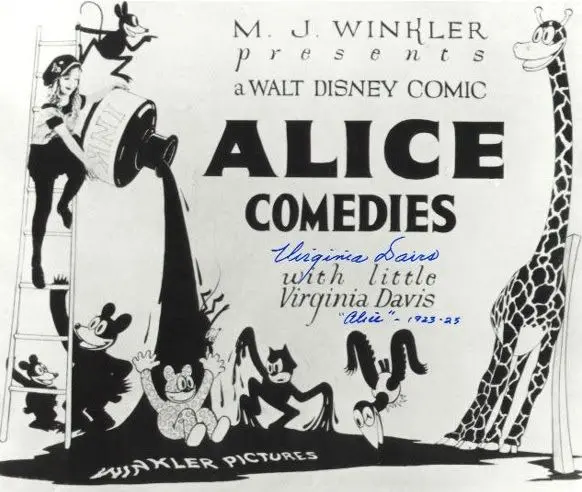
A definitive 6.7/10 rating for a film that redefined the boundaries of cult cinema. Alice's Picnic remains a cornerstone of transgressive art.
Is 'Alice's Picnic' worth watching today? Short answer: yes, but with significant caveats. This early short film is a fascinating historical artifact best suited for silent film aficionados, animation historians, and those curious about the roots of cinematic storytelling. It is emphatically not for viewers seeking modern pacing, complex narratives, or high production polish.
This film works because it offers a rare glimpse into the nascent stages of cinematic innovation, particularly its pioneering blend of live-action and animation. It succeeds in delivering a simple, family-friendly narrative driven by the sheer charm and presence of its young star, Lois Hardwick. Its historical significance alone makes it a valuable watch for specific audiences.
This film fails because its plot is undeniably simplistic, its animation rudimentary by today's standards, and its character depth, beyond Alice herself, is virtually non-existent. Modern viewers accustomed to intricate storytelling and seamless visual effects will find its execution quaint, perhaps even primitive.
You should watch it if you appreciate the foundational works of cinema, are interested in the evolution of animation techniques, or enjoy light, whimsical shorts that prioritize visual storytelling over dialogue. It's a journey back in time, not a contemporary blockbuster.
The true allure of 'Alice's Picnic' lies not in its narrative complexity, but in its audacious technical ambition for its era. Part of the famed 'Alice Comedies' series, this short film is a crucial touchstone in the history of animation, showcasing a groundbreaking fusion of live-action footage with hand-drawn characters. In an age where cinema itself was still finding its voice, the very concept of a real child interacting with cartoon animals was nothing short of revolutionary.
The execution, while rudimentary by today’s standards, speaks volumes about the ingenuity of early filmmakers. When Alice and her friends lay out their picnic, the animated rats appear, scuttling into the live-action frame with a surprising degree of seamlessness for the 1920s. This blend, a technical marvel of its time, requires a suspension of disbelief that modern audiences might struggle with, yet it remains a powerful testament to the creative spirit that birthed the golden age of animation.
Consider the scene where the rats abscond with the food. The juxtaposition of the real children’s bewildered reactions with the exaggerated, almost slapstick movements of the animated rodents creates a unique comedic rhythm. It’s not just a technical trick; it’s a narrative device, allowing the film to tap into a fantastical element that pure live-action could not achieve. This pioneering spirit, much like the early experiments in narrative structure seen in films such as The End of the Game, laid critical groundwork for future cinematic endeavors.
However, it's also where the film shows its age most acutely. The animation itself is simple, often repetitive, and lacks the fluidity that would become standard even a decade later. The rats, while charming in their villainy, are essentially stick figures compared to later animated characters. Yet, to judge it solely by modern metrics would be to miss the point entirely. This is not just entertainment; it’s a living document of an art form in its infancy, a bold experiment that dared to dream beyond the confines of reality.
The decision to integrate live-action with animation wasn't merely a gimmick; it was a foundational approach that defined an entire series. It offered filmmakers a unique palette, allowing them to tell stories that danced between the tangible and the imagined. This duality is the beating heart of 'Alice's Picnic', making it far more than just a simple chase sequence.
In a film largely devoid of dialogue and relying on visual cues, the performance of its lead actor becomes paramount. Lois Hardwick, as Alice, carries the entire narrative on her slender shoulders, delivering a performance that is both endearing and surprisingly robust for a child actor in the silent era. She isn't just a child actor; she's the anchor of this entire endeavor.
Hardwick’s ability to convey emotion through exaggerated facial expressions and physical comedy is a masterclass in silent film acting. Her initial delight at the picnic, her sudden shock and disbelief when the rats appear, and her subsequent determination during the chase are all communicated with clarity and conviction. There's a genuine pluckiness to her Alice that resonates, making her a relatable figure even across the chasm of nearly a century.
Consider her reactions during the food heist. While her friends might appear somewhat static, Hardwick's Alice is constantly engaged, her eyes darting, her posture shifting from relaxation to alarm. This subtle yet effective non-verbal communication is what draws the audience into her predicament. She embodies the innocent indignation of a child whose treats have been stolen, a universal emotion that transcends time and language.
Her role demands more than just reacting to unseen animated elements; it requires a sustained presence that holds the viewer’s attention. She is the audience's guide through this whimsical, slightly absurd adventure. Without her grounded, earnest performance, the animated antics of the rats might feel disconnected or simply silly. She provides the emotional core, the human element that makes the fantastical believable, however briefly.
It’s a performance that stands in stark contrast to the often more theatrical or melodramatic acting styles prevalent in some feature films of the era. Hardwick’s approach feels remarkably naturalistic for its time, a testament to her innate talent. Her charm is undeniable, making 'Alice's Picnic' not just a historical curiosity, but a genuinely enjoyable showcase of early screen acting.
The plot of 'Alice's Picnic' is as straightforward as its title suggests: a picnic, interrupted by theft, followed by a chase. This narrative simplicity, often cited as a weakness when viewed through a modern lens, is precisely its strength; it allows for pure, unadulterated visual comedy without the burden of complex exposition. In a short film, brevity is often a virtue, and 'Alice's Picnic' embraces it fully.
The film establishes its premise quickly. A serene picnic scene sets the stage for comfort and camaraderie. The sudden appearance of the rats and their efficient pilfering acts as the inciting incident, propelling the story forward with immediate urgency. There’s no time wasted on character backstories or intricate plot points; the conflict is clear, and the goal is tangible: get the food back.
The ensuing chase sequence, while repetitive in its structure, derives its energy from the visual gags inherent in the live-action/animation dynamic. Alice and her friends pursue the cartoon rodents, leading to various comedic predicaments. The pacing is brisk, maintaining engagement through constant movement and the sheer absurdity of the situation. This direct, unburdened storytelling can be refreshing, a palate cleanser from the often-overloaded narratives of contemporary cinema.
However, this simplicity also means the film offers little in the way of character development or thematic depth. Alice and her friends are archetypes, and the rats are purely antagonistic forces. There are no grand lessons to be learned, no profound character arcs to follow. It’s a purely episodic adventure, designed for lighthearted amusement. For viewers seeking the intricate emotional landscapes of a drama like A Child of God, 'Alice's Picnic' will feel thin.
Yet, to demand such depth from a 1920s animated short is to miss its purpose. 'Alice's Picnic' is a foundational piece, exploring the very mechanics of visual storytelling and comedic timing. Its straightforward narrative allows these pioneering elements to shine without distraction, making it a valuable historical document of how stories first began to be told in this emerging medium.
The cinematography and direction in 'Alice's Picnic' reflect the nascent stage of filmmaking itself. The camera work is largely static, employing wide and medium shots to capture the action, a common practice in early cinema before the advent of more dynamic camera movements and elaborate editing techniques. This foundational approach, while appearing rudimentary today, was the bedrock upon which all future visual storytelling was built.
The director's choices are focused on clear, unambiguous communication of the narrative through visuals. Without dialogue, every gesture, every movement, and every framed shot had to convey meaning. The initial picnic scene is carefully composed to establish a sense of normalcy and comfort, making the subsequent disruption by the rats all the more impactful. The framing of Alice's reactions, often in close-enough proximity to capture her expressions, is key to her performance.
Editing is functional, primarily serving to move the story from one scene to the next without jarring transitions. There's a straightforward continuity that prioritizes clarity over stylistic flourish. The chase sequence, for instance, uses simple cuts to follow the characters, ensuring the audience always understands who is pursuing whom and where the action is taking place. This directness is a hallmark of early narrative cinema.
One unconventional observation is how the director uses the animated elements to introduce dynamism that would be difficult with live actors alone. The rats' cartoonish movements and exaggerated actions provide a visual energy that contrasts with the more restrained movements of the human characters. This intentional juxtaposition is a directorial choice that maximizes the unique potential of the hybrid format, allowing for moments of pure visual fantasy within a live-action setting.
The direction successfully establishes a light, comedic tone throughout. There's no real sense of peril, despite the food theft; instead, it's an adventure tinged with whimsy. This delicate balance ensures that the film remains family-friendly and accessible, a testament to the director's understanding of their target audience and the capabilities of the emerging medium. It's a foundational lesson in how to build a visual narrative from the ground up.
Yes, 'Alice's Picnic' is absolutely worth watching today, but with specific expectations. It is not a film that will captivate modern audiences with its plot or special effects.
Its value lies in its historical significance. This short offers a rare, accessible window into the origins of animated cinema and the pioneering spirit of early Hollywood. It's a crucial piece for understanding the evolution of storytelling on screen.
Watch it if you are a film student, an animation enthusiast, or someone deeply interested in cinematic history. Skip it if you seek fast-paced action, complex characters, or contemporary production values.
'Alice's Picnic' is more than just a quaint relic; it's a foundational text in the cinematic canon. It works. But it’s flawed. Its true value isn't found in its ability to entertain a modern audience in the way a contemporary film might, but in its capacity to educate and illuminate the origins of an art form. It is a bold, early experiment that paved the way for countless animated adventures to come. For those willing to approach it with an appreciation for history and innovation, it offers a charming, if brief, journey back to cinema's earliest, most imaginative days. It's an essential piece of film history, a testament to the boundless creativity that defined the silent era.
IMDb —
1917
Community
Log in to comment.