DbcultAccessing Vault...
5.3/10
Senior Film Conservator
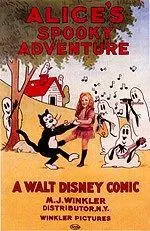
A definitive 5.3/10 rating for a film that redefined the boundaries of cult cinema. Alice's Spooky Adventure remains a cornerstone of transgressive art.
In the annals of early cinema, where innovation frequently clashed with nascent technology, certain films emerge not merely as historical artifacts but as vibrant testaments to unbridled creativity. Alice's Spooky Adventure stands as a compelling example, a curious hybrid that effortlessly blends the tangible world of live-action with the boundless realm of animation. This cinematic endeavor, far from being a simple children's tale, delves into the rich tapestry of childhood imagination, courage, and the often-porous boundary between reality and the subconscious. It is a journey that begins with a mundane mishap and spirals into a phantasmagoric odyssey, inviting viewers to ponder the profound depths of a child's inner world.
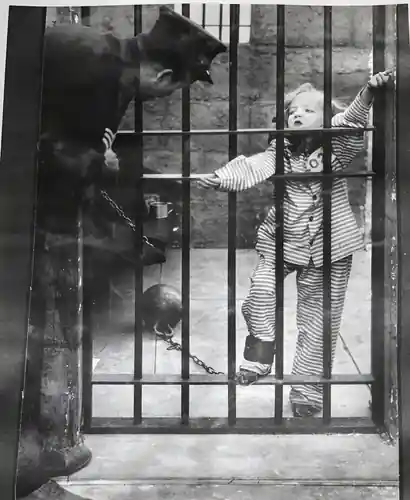
The narrative commences with a deceptively simple premise: a spirited game of catch, a moment of youthful exuberance, culminates in a wayward ball hurtling through the window of a dilapidated, reputedly haunted house. This initial incident, a seemingly trivial rupture in the fabric of everyday life, immediately establishes the film's core tension. While her peers recoil from the ominous structure, young Alice, portrayed with a captivating blend of innocence and intrepidity, demonstrates an extraordinary resolve. Her decision to venture into the spectral edifice to retrieve her lost plaything is not merely an act of bravery but a symbolic crossing of a threshold, a conscious embrace of the unknown. The house itself, with its shadowed windows and creaking timbers, becomes a character in its own right, a silent sentinel guarding secrets and beckoning the curious into its enigmatic embrace. This initial live-action segment, with its stark realism, brilliantly grounds the subsequent fantastical journey, making Alice's transition into the surreal all the more impactful.
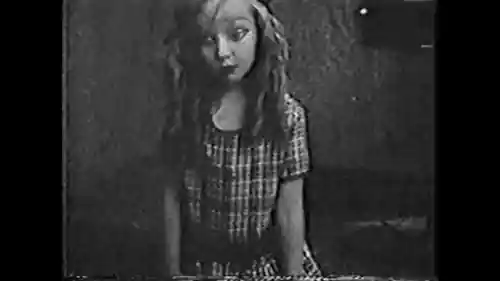
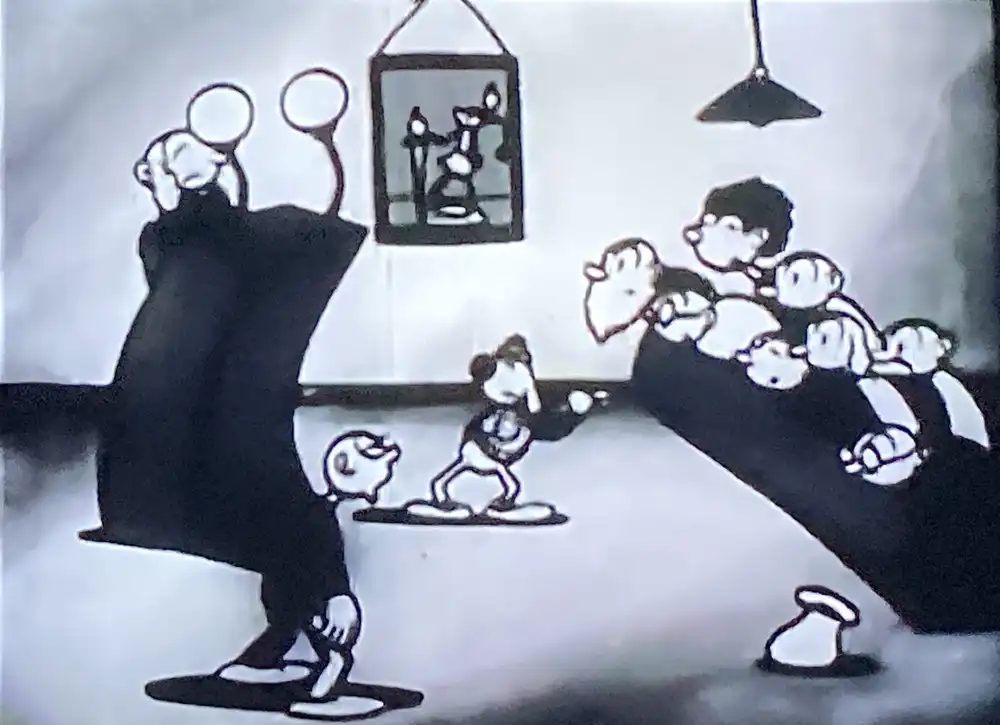
It is within these haunted confines that the film executes its pivotal, transformative moment. A sudden, jarring fall and a subsequent bump to the head act as the narrative's alchemical catalyst, dissolving the rigid walls of reality and plunging Alice into an entirely animated dreamscape. This is no mere narrative device; it is a profound exploration of the mind's capacity for escapism and self-discovery. The head injury, often a trope for altered perception, here serves as a gateway to a vibrant, hand-drawn world where the laws of physics yield to the whims of imagination. The transition is visually striking, a testament to the pioneering spirit of early animators who sought to push the boundaries of visual storytelling. One moment, we are with a live-action child in a dimly lit, tangible space; the next, we are immersed in a fluid, whimsical cartoon realm, a testament to the era's burgeoning understanding of cinematic magic. This audacious blend of mediums was a nascent art form, a daring experiment that predated many of the conventions we now take for granted, much like other groundbreaking visual narratives of the period, such as the innovative visual storytelling found in Fresh Paint, which similarly explored new canvases for artistic expression.
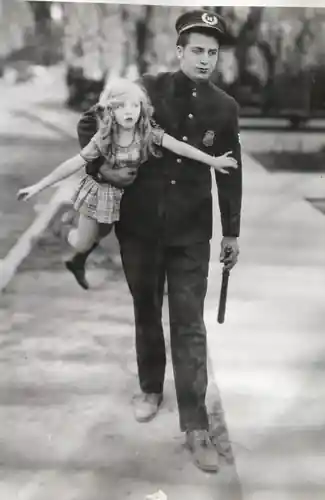
The animated world itself is a marvel of early cartooning, characterized by its distinctive aesthetic and imaginative character designs. Here, Alice, still recognizable from her live-action counterpart, navigates a landscape populated by whimsical, often spectral, figures. The animators imbue this dreamworld with a playful yet subtly eerie atmosphere, a delicate balance that prevents it from becoming either too frightening or too saccharine. The fluidity of movement, the exaggerated expressions, and the fantastical settings all contribute to a sense of boundless possibility, a stark contrast to the grounded reality Alice momentarily left behind. This animated segment is not
IMDb —
1920
Community
Log in to comment.