DbcultAccessing Vault...
6.4/10
Senior Film Conservator
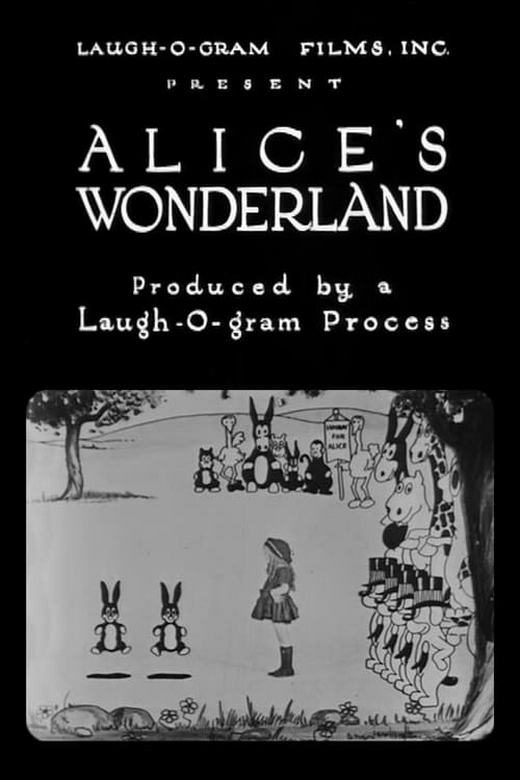
A definitive 6.4/10 rating for a film that redefined the boundaries of cult cinema. Alice's Wonderland remains a cornerstone of transgressive art.
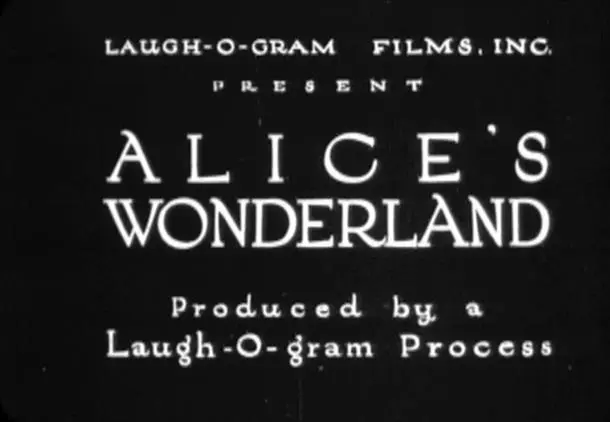
Stepping back into the cinematic landscape of 1923, one encounters a fascinating artifact, a progenitor of an empire: Walt Disney’s Alice’s Wonderland. This unassuming short film, a mere 12 minutes in length, is far more than a historical curiosity; it is a foundational text in the canon of animation, a bold declaration of intent from a nascent genius. In an era dominated by sprawling live-action epics and earnest dramatic narratives, Disney dared to dream differently, to envision a world where the boundary between the tangible and the imagined could not only be breached but joyously obliterated. It represents a pivotal moment, not just for Disney himself, but for the entire trajectory of visual storytelling, offering a glimpse into the boundless possibilities of a medium still in its infancy. The film is a testament to the power of innovation, a playful yet profound experiment that would ultimately reshape the entertainment industry.
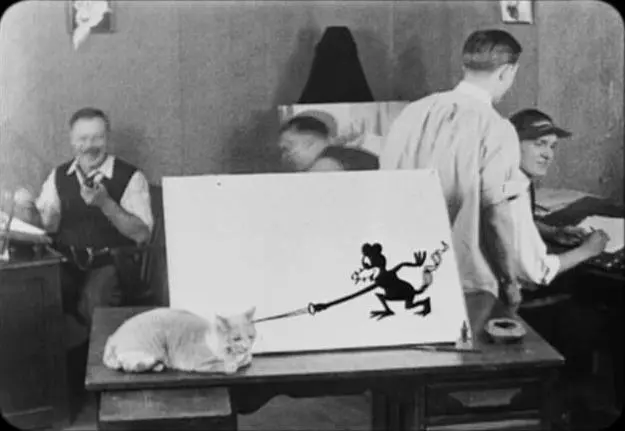
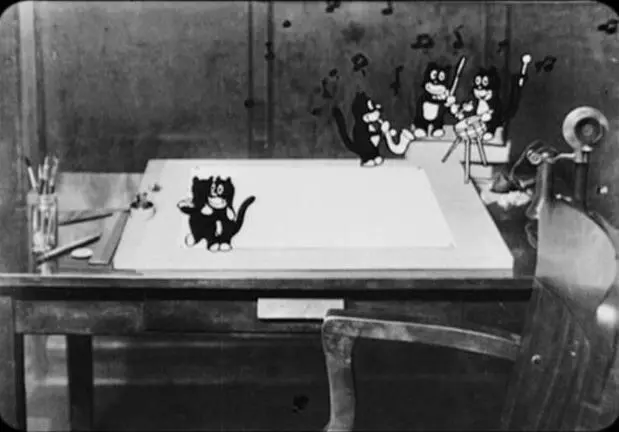
At its core, Alice’s Wonderland is a marvel of technical ingenuity and imaginative daring. The premise itself is deceptively simple: a young girl, Alice, portrayed with an infectious vivacity by Virginia Davis, visits an animation studio. Yet, from this seemingly mundane setup, a revolutionary concept unfurls. Davis is not merely acting in front of a camera; she is integrated into an environment where the very act of creation becomes part of the narrative. The animators, including Walt Disney himself, are visible, their drawing boards becoming portals to another dimension. This meta-narrative approach, where the process of filmmaking is woven into the fabric of the story, was remarkably forward-thinking. It invites the audience into the magic, demystifying the craft while simultaneously amplifying its wondrous effect.
The film’s pioneering blend of live-action and animation was, for its time, nothing short of groundbreaking. While earlier experiments in combining these elements existed, Disney’s approach felt more seamless, more organic. Alice interacts directly with her animated counterparts, not merely observing them but engaging in playful dances and parades. This interaction imbues the animated characters with a sense of tangible presence, making them feel less like drawings and more like living entities sharing a space with a real child. The technical challenges involved in achieving this illusion, particularly in an era without sophisticated compositing tools, were immense. Each frame demanded meticulous planning and execution, a testament to the dedication and burgeoning skill of Disney and his team. This commitment to pushing the envelope set a precedent for the entire studio’s future endeavors, establishing a reputation for technical excellence and creative audacity that would endure for decades.
Virginia Davis, at just four years old, brings an undeniable charm and natural charisma to the role of Alice. Her performance is central to the film’s success, grounding the fantastical elements in a relatable, human experience. She is not a passive observer; she is an active participant, her wide-eyed wonder and playful curiosity serving as the audience’s entry point into this animated realm. Davis’s ability to interact convincingly with characters that were, at the time of filming her scenes, merely lines on a drawing board, speaks volumes about her innate talent and the guidance she received. Her infectious smile and lively movements make the animated figures around her seem all the more real, bridging the gap between the two mediums with an effortless grace. Without a compelling live-action anchor, the animated sequences, no matter how inventive, might have felt disjointed. Davis provides that anchor, her performance elevating the entire production beyond a mere technical demonstration into a genuinely engaging piece of storytelling.
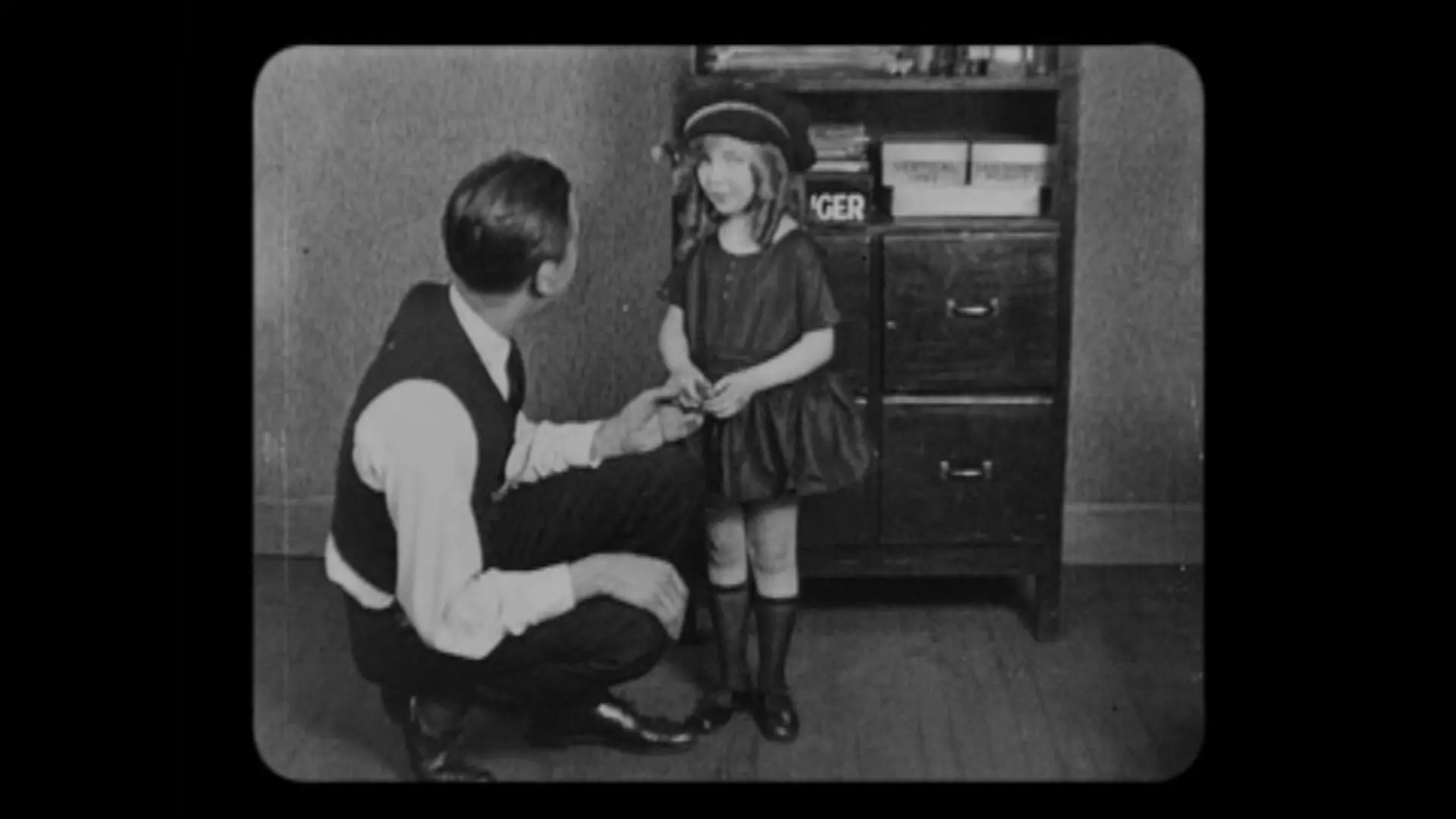
Her portrayal captures a timeless innocence, a quality that resonates deeply with the spirit of Lewis Carroll’s original creation, even as Disney’s narrative diverges significantly from the literary source. Davis embodies the adventurous spirit of childhood, unafraid to explore the unknown and embrace the absurd. This youthful exuberance is precisely what gives the film its enduring appeal, allowing viewers of all ages to connect with Alice’s journey of discovery. In an era where child actors often delivered overly theatrical performances, Davis’s naturalism is refreshing, a subtle yet powerful force that anchors the film’s whimsical aspirations. She is, in essence, the beating heart of this early Disney experiment, a testament to the power of casting the right talent, even in the most pioneering of projects.
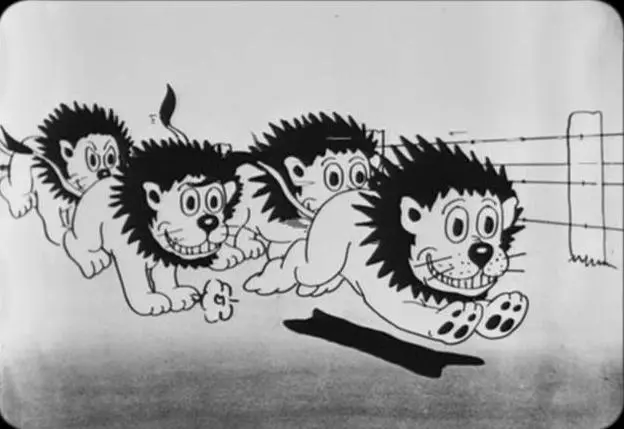
The animated sequences, though rudimentary by later Disney standards, are brimming with a nascent charm and inventive spirit. The animators, including Ub Iwerks, Rudolf Ising, and Hugh Harman, display a clear understanding of character movement and comedic timing. The parade of anthropomorphic animals, each with its distinct personality and gait, showcases a budding mastery of the medium. These characters, despite their simplicity, possess an undeniable appeal, their actions often eliciting genuine smiles. The fluidity of their movements, especially considering the painstaking frame-by-frame process, is commendable. It’s in these early flourishes that one can discern the seeds of the animation empire that would follow, a commitment to bringing characters to life with personality and expressive motion.
The visual style is characterized by clear lines and expressive forms, a direct reflection of the technological constraints and aesthetic preferences of the era. Yet, even within these limitations, the animators manage to inject a remarkable amount of dynamism and humor into their creations. The sequence where the characters come to life on the drawing board, seemingly leaping from two dimensions into three, is particularly effective. It’s a moment of pure cinematic magic, a visual metaphor for the power of animation itself to conjure worlds from thin air. The final dance sequence, where Alice is surrounded by her animated companions, is a joyful celebration of this newfound synergy, a harmonious convergence of live-action and drawn artistry. This early work laid the groundwork for the more sophisticated character animation and storytelling that would define the Golden Age of Disney, demonstrating that even at this nascent stage, the studio possessed a unique vision for the potential of the animated form.
To truly appreciate Alice’s Wonderland, it is essential to place it within the broader context of early 20th-century cinema. The 1920s were a period of immense experimentation and diversification in filmmaking. While many studios were perfecting the art of dramatic storytelling, as seen in the poignant human narratives of films like The Men She Married or the social commentary embedded within Sins of Ambition, Disney was carving out a niche that prioritized pure imagination and technical spectacle. The film stands in stark contrast to the gritty realism often explored in urban dramas like The City, offering instead an escape into unadulterated fantasy. This was a time when filmmakers were still grappling with the language of cinema, and Disney’s choice to focus on a hybrid form was a bold departure from conventional wisdom.
While epics like The Three Musketeers (1916) showcased the grandeur and sweeping narratives possible with live-action, Alice’s Wonderland demonstrated that an equally captivating spectacle could be conjured from the simplest of drawings. The ambition inherent in Disney’s project, even at this early stage, mirrors the pioneering spirit found in films across genres, from the dramatic intensity of Juan José to the adventurous spirit of The Vengeance of Durand. Every filmmaker was, in a sense, an explorer, pushing the boundaries of what the medium could achieve. Disney, however, was charting a particularly uncharted course, one that would redefine entertainment for generations.
The era was also characterized by a rapid evolution of narrative techniques. While many films, such as Real Folks or When You and I Were Young, focused on developing emotionally resonant character arcs through traditional acting, Alice’s Wonderland experimented with how character could be conveyed
IMDb —
1927
Community
Log in to comment.