DbcultAccessing Vault...
Cult Review
Senior Film Conservator
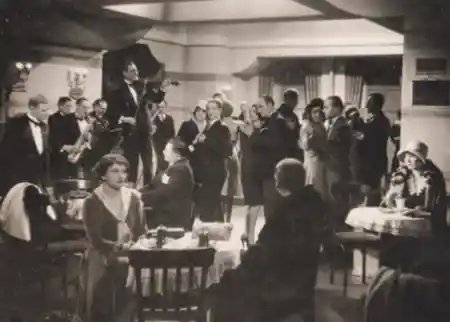
Alright, let's be real. If you’re looking for a fast-paced thriller or something with massive explosions, then Alimente is absolutely not for you. You’ll probably find yourself pretty bored. But, if you’re someone who appreciates silent films, especially those from the German Weimar Republic period, and you're curious about a specific slice of history, then yeah, you should definitely give this a look. It’s a slow burn, a real snapshot.
The film centers on two women, Anna and Lissy, both expecting babies. The whole setup, how they live in the same house and their lives kind of crisscross, is interesting. It's all about this idea of "alimony," which was *such* a big deal back then, a lifeline for some, a source of anxiety for others.
Anita Dorris plays Anna, and she carries a lot of the film’s emotional weight. You see her character just trying to make it work, you know? She’s a saleswoman, trying to keep her head up. There’s this quiet strength in her, even when things are obviously getting tough. It's all in her expressions, a subtle tilt of the head or a long gaze. 🤔
Lissy, played by Vera Schmiterlöw, is the daughter of the house Anna lodges in. She’s younger, maybe a bit more hopeful, but you feel that underlying tension for her too. The film doesn't really go for big, dramatic shouting matches. It’s more about the unspoken stuff, the things you *feel* from their faces.
There’s a scene where Anna is just sitting, alone in her room, and the camera just *holds* on her for a good bit. No intertitles, no big gesture. You just feel the sheer weight of her situation, the worry. That’s when a silent film really works, you know? When it trusts you to get it.
Margarete Kupfer as Frau Breuer, the landlady, is pretty great too. She's got this no-nonsense vibe, very practical. She's seen a lot, you can tell. Her interactions with Anna are brief but meaningful, like there’s a quiet respect, a shared understanding of what life's like.
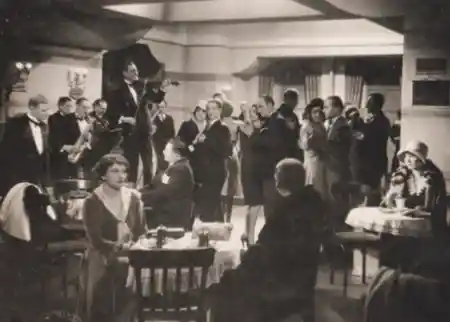
The sets, they’re not flashy at all. The apartment feels lived-in, a bit cramped. It adds to that whole feeling of everyday struggle. You can almost feel the close quarters, the slight stuffiness of it all. It felt real, not like some fancy movie set.
Sometimes the intertitles, the bits of text, felt a little on the nose. Like, you'd already understood the emotion from the acting, and then the text would just spell it out. But then, other times, a short, sharp title would just *hit* you. It’s an interesting balance, or maybe a lack thereof, that makes these old films unique.
I remember one shot of Anna just sewing baby clothes, and she just pauses, looking out a window. It’s a small, almost throwaway moment, but it’s so *human*. It’s that quiet worry, not some big, over-the-top crying scene. It sticks with you.
The film definitely takes its time. There were parts in the middle that felt like they dragged just a little bit. You wonder if they could’ve cut a few minutes here and there. But maybe that deliberate slowness is how they wanted you to soak it all in. It gives the small moments more room to breathe, I guess.
It doesn't give you all the answers, which I actually appreciated. The ending doesn't neatly tie up every single loose thread. It makes you think about the characters even after the credits roll. That's a good thing, a real good thing, in my book. More films should do that.
This film is less about a thrilling plot and more about painting a picture of a time and place, and the quiet anxieties of everyday life for women. It’s a genuine window into something important.

IMDb 6.6
1920
Community
Log in to comment.