DbcultAccessing Vault...
Cult Review
Senior Film Conservator
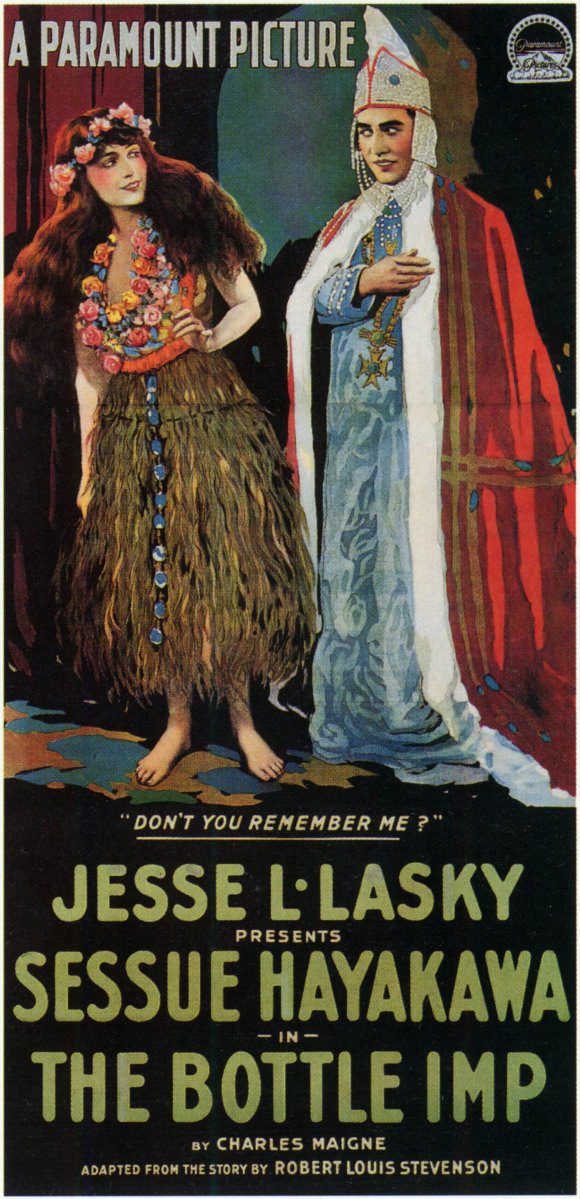
Stepping back into the nascent days of cinema, The Bottle Imp (1917) emerges not merely as a relic but as a remarkably potent cinematic adaptation of Robert Louis Stevenson's chilling novella. Directed with an earnest grasp of the silent era's narrative capabilities, this film transcends its historical context to deliver a timeless fable on the corrupting allure of desire and the profound cost of a Faustian bargain. It's a testament to the enduring power of storytelling, rendered with a visual artistry that, even a century later, speaks volumes without uttering a single word.
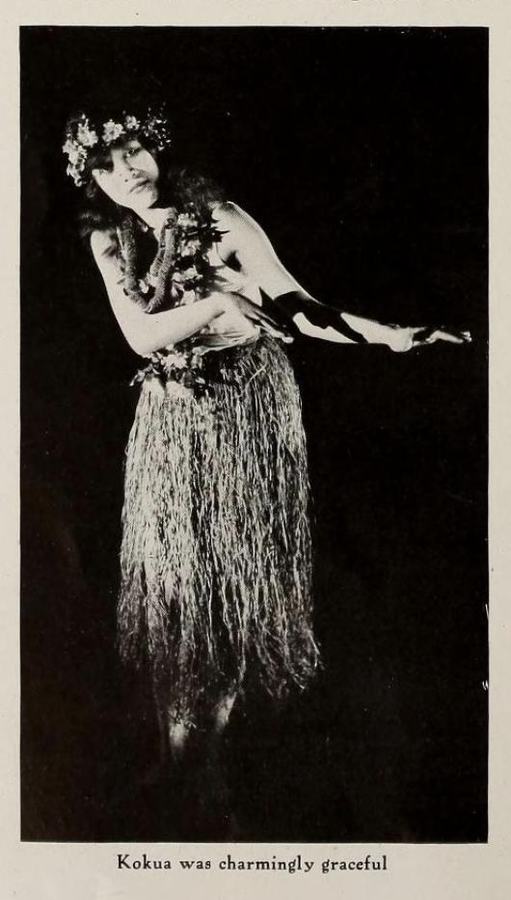
The narrative commences in an idyllic, albeit socially stratified, Hawaii, where the humble fisherman Lopaka, portrayed with compelling sincerity by James Neill, harbors a fervent love for Kokua, a woman of noble blood, brought to life with delicate grace by Margaret Loomis. Their romance, a tender sprout amidst rigid societal boundaries, faces an insurmountable obstacle: Kokua’s irascible father, played by George Kuwa, demands an impossible dowry—two feather cloaks, objects so sacred that only royalty may touch them under penalty of death. This initial setup immediately establishes a profound sense of injustice and desperate longing, laying the groundwork for Lopaka's fateful decision. The conflict here isn't just romantic; it's deeply rooted in the class distinctions of the time, a theme explored in various silent melodramas, though few imbue it with such a supernatural twist. The visual contrast between Lopaka's simple existence and Kokua's regal heritage is stark, a silent commentary on the arbitrary nature of inherited power.
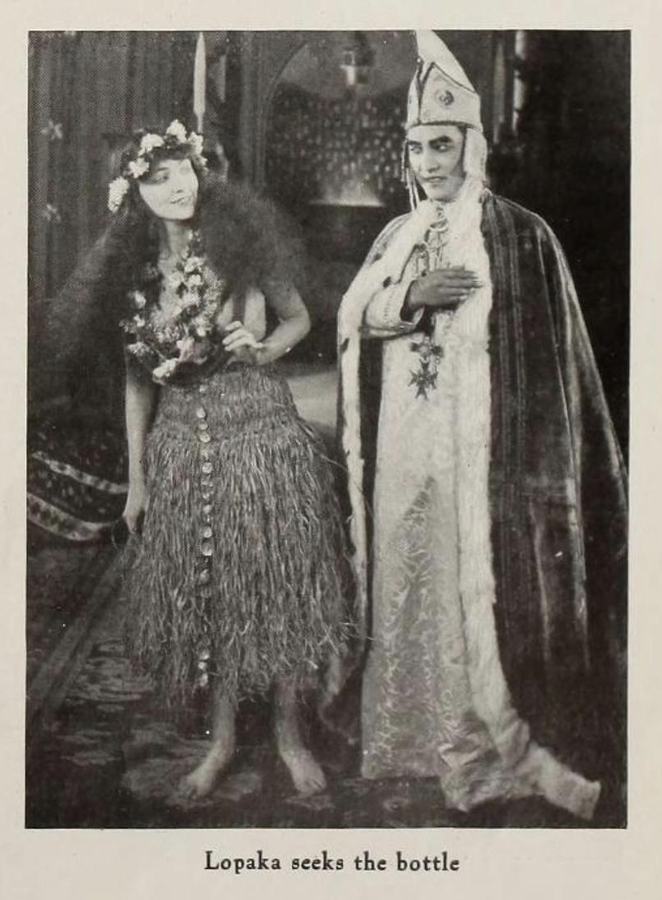
Lopaka's plight is exacerbated by the unwelcome advances of Rollis, a drunken sailor, whose predatory nature adds another layer of menace to the proceedings. H. Komshi's portrayal of Rollis, though perhaps archetypal, effectively conveys the immediate, tangible threat he poses. Driven by despair and a burning desire to secure Kokua's hand, Lopaka embarks on a perilous journey to Devil's Mountain, seeking the mythical bird whose feathers alone could fulfill the father's decree. What he finds, however, is not a bird, but an encounter that irrevocably alters his destiny: a dying priest of Pele, who, in his final moments, bequeaths to Lopaka a small, unassuming bottle. This is no ordinary trinket; it houses Kono, a brother of Pele, an impish entity capable of granting any wish to its owner. The catch? A terrifying one: dying with the bottle in possession condemns one's soul to hell, and to escape this fate, the bottle must be sold for less than its purchase price, a grim descending spiral towards an inescapable doom. This moment is the narrative's true pivot, a descent into the supernatural that feels both organic and deeply unsettling, reminiscent of the darker allegories found in works like The Devil's Daughter or The Devil's Bondwoman, where otherworldly forces dictate human suffering.
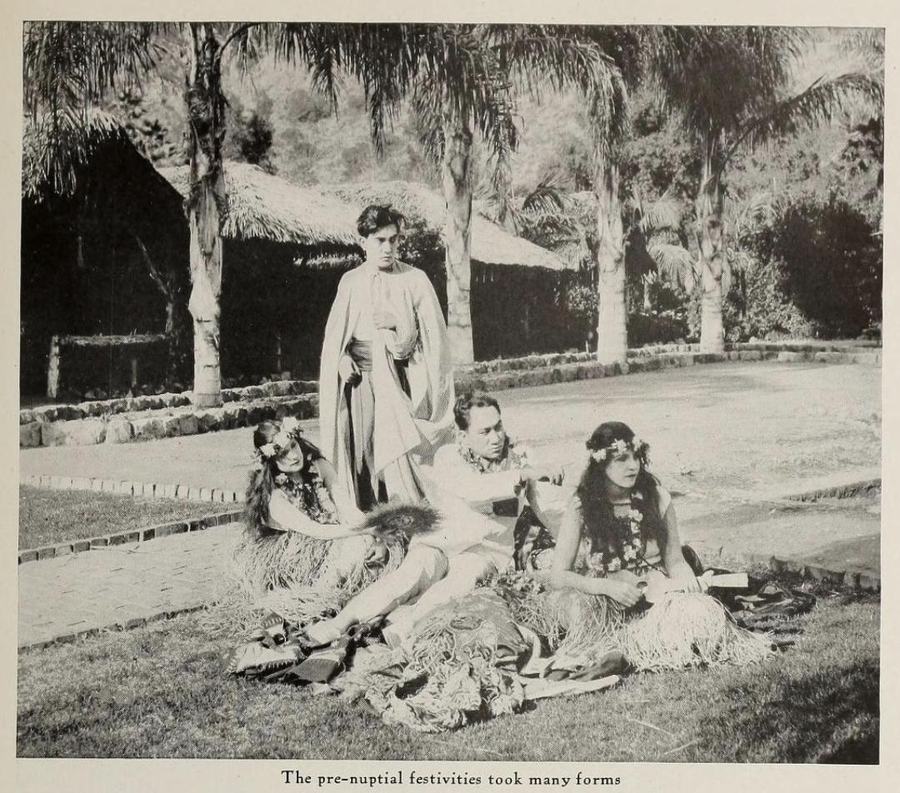
The bottle's power is immediate and absolute. Lopaka, wishing for wealth and servants, witnesses his humble hut transmute into a magnificent palace, a visual spectacle of early cinematic magic. The transformation is swift, astounding, and serves as a powerful symbol of instant gratification. Suddenly, Kokua and her father, who had previously scorned Lopaka's poverty, find themselves among the throng admiring his newfound opulence. The father, with a cynical expediency, readily bestows Kokua's hand upon Lopaka, his earlier, impossible demands forgotten in the face of such dazzling prosperity. This segment of the film brilliantly exposes the superficiality of societal values, where wealth trumps lineage and character. It's a stark, almost satirical commentary on human greed and the fickle nature of social acceptance. The visual grandeur of the palace, juxtaposed against Lopaka's prior destitution, highlights the dizzying speed with which fortunes can change, and with them, human loyalties.
Having achieved his immediate desires, Lopaka, now burdened by the bottle's terrifying condition, attempts to rid himself of its menace by selling it to his friend, Makale, played by Sessue Hayakawa. Hayakawa, a prominent star of the era, brings a nuanced presence to Makale, making his unwitting participation in the curse all the more impactful. However, the Imp, a malevolent entity, retaliates, striking Lopaka with leprosy, a cruel twist of fate that threatens to derail his impending marriage and condemn him to a life of isolation and suffering. This sudden affliction is a profound moment of horror, a visceral manifestation of the bottle's insidious power. It underscores the inescapable nature of the bargain: even when one attempts to escape, the consequences linger, morphing into new forms of torment. Lopaka's desperate search for Makale, only to discover the bottle has passed through many hands, each time sold for a progressively smaller sum, initiates a harrowing chase. The decreasing price of the bottle—from a substantial sum to the smallest coin—is a masterstroke of narrative design, a ticking clock counting down to ultimate damnation. This relentless pursuit, a man battling an invisible, spiritual plague, is a powerful visual metaphor for humanity's struggle against its own desires and their unforeseen ramifications.
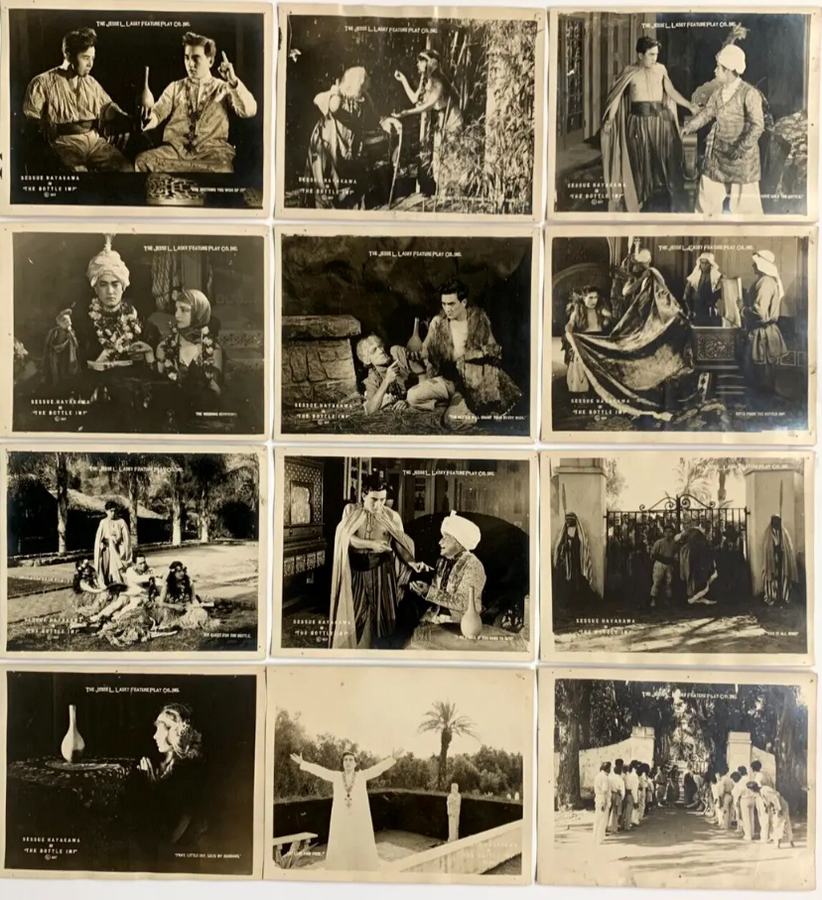
The bottle's journey through various hands, each transaction diminishing its value and bringing its ultimate owner closer to eternal damnation, paints a grim picture of human desperation and folly. The film expertly conveys this escalating tension, with Lopaka's frantic attempts to reclaim the bottle becoming increasingly desperate. The tragic irony is palpable: the very object that granted him everything now threatens to take away not just his love, but his very soul. The narrative here becomes a relentless pursuit, a race against time and fate, echoing the frantic energy of silent film chases but with far higher, spiritual stakes. The silent film medium, with its reliance on expressive gestures and intertitles, excels at conveying Lopaka's internal torment and his physical degradation due to leprosy. The performances, particularly Neill's, must convey the full spectrum of despair, hope, and determination without spoken dialogue. This is where the artistry of early cinema truly shines, in its ability to communicate complex emotional states through visual means alone. The cyclical nature of the bottle's sale, always for less, becomes a haunting drumbeat towards an inevitable, terrible conclusion, a narrative device that still resonates today.
The climax is a visceral and emotionally charged confrontation. Rollis, the persistent antagonist, re-enters the narrative, now in possession of the accursed bottle, and attempts to abduct Kokua. This brings Lopaka, despite his affliction, rushing to her aid. The ensuing struggle between the two men, culminating in a dramatic fall from a high cliff into the churning sea, is a powerful set piece. Guy Oliver and Lehua Waipahu, though not explicitly detailed in the plot, likely contributed to the film's ensemble, enhancing the dramatic backdrop. In a desperate act of self-sacrifice and love, Lopaka strangles Rollis, thereby ensuring that Rollis, the last owner, dies with the bottle in his possession. This pivotal moment is a profound act of redemption, a choice to save his beloved from the same fate and to break the cycle of the curse. The death of Rollis, and with him the bottle's last owner, finally frees the Imp, who returns to his mountain, triggering a spectacular eruption of the dead volcano, gushing forth lava and flames. This dramatic natural event serves as a visual catharsis, a cleansing fire that purges the malevolent influence from the world. The special effects, rudimentary by today's standards, would have been awe-inspiring for contemporary audiences, providing a grand, symbolic release of tension. This kind of dramatic, almost operatic, climax was a hallmark of silent cinema, aiming for maximum emotional impact through visual spectacle.
With the Imp freed and the curse broken, the film offers a poignant resolution. The gorgeous raiment of Lopaka and Kokua fade into their old rags; the wonderful palace vanishes, dissolving into the very air from which it was conjured. This immediate reversal of fortune underscores the illusory nature of the wealth and status gained through the bottle. It was never real, merely a temporary enchantment. Yet, far from despair, the two are depicted as happy together in the fisherman's little hut. This denouement is profoundly moving, a powerful affirmation that true happiness lies not in material possessions or societal standing, but in genuine love, companionship, and contentment with one's lot. It's a classic moral tale, echoing the sentiments found in fables across cultures, reminding us that the greatest treasures are intangible. The film, adapted by Charles Maigne from Robert Louis Stevenson's original work, masterfully translates Stevenson's dark philosophical underpinnings into a visually compelling narrative. Stevenson's profound exploration of human greed and the consequences of moral compromise finds a worthy cinematic counterpart in this silent film, demonstrating that even without spoken dialogue, complex ethical dilemmas can be powerfully conveyed. The film's ending, far from being anticlimactic, provides a sense of peace and earned redemption, a testament to enduring love over fleeting desires. It's a resolution that feels earned, a triumph of spirit over the corrupting influence of the supernatural. The visual decay of the palace and clothing, returning to their original humble forms, is a striking visual metaphor for the transient nature of ill-gotten gains, a theme that resonates as strongly today as it did over a century ago. In its quiet final moments, The Bottle Imp delivers a powerful message of contentment and the enduring value of human connection, making it a compelling watch for anyone interested in early cinema's capacity for profound storytelling.
"The Bottle Imp" stands as a fascinating example of early cinematic fantasy, showcasing the genre's potential even in its nascent stages. While it might lack the elaborate visual effects of later films like His Majesty, the Scarecrow of Oz, its strength lies in its narrative clarity and its powerful moral core. The performances, particularly from James Neill and Margaret Loomis, are a masterclass in silent film acting, conveying deep emotion through gesture and expression. Sessue Hayakawa's presence, even in a supporting role, adds a layer of star power that would have undoubtedly drawn audiences. The film's exploration of desire, consequence, and redemption positions it alongside other morally complex narratives of the era, such as Slave of Sin or The Stronger Love, though with a distinct supernatural flavor. It's a film that asks profound questions about what we truly value and the lengths we might go to achieve our desires, only to discover their ultimate emptiness. The enduring relevance of Stevenson's original story, combined with the filmmakers' adept translation to the screen, ensures that The Bottle Imp remains a significant, if perhaps overlooked, piece of cinematic history. It challenges viewers to consider the true cost of their ambitions and the enduring power of love and simplicity. For those who appreciate the artistry and thematic depth of silent cinema, this film offers a rich, thought-provoking experience that transcends its century-old production. It's a reminder that even in the absence of sound, the human heart's deepest desires and fears can be articulated with breathtaking clarity and impact. The film's ability to weave together romance, fantasy, and a cautionary tale within the constraints of its medium is nothing short of remarkable, solidifying its place as a compelling and important work. Its themes, especially the critique of materialism and the pursuit of superficial happiness, resonate deeply with contemporary audiences, proving that great storytelling truly is timeless. The visual storytelling, characteristic of the era, uses dramatic close-ups and expansive shots to convey both intimacy and grandeur, drawing the viewer into Lopaka's desperate journey. The pacing, typical of early features, allows moments of quiet contemplation to punctuate scenes of dramatic action, building a comprehensive emotional landscape. This film, in its quiet power, reminds us that the foundations of compelling narrative were laid long before the advent of synchronized sound, proving that true artistry lies in the ability to evoke, to suggest, and to stir the soul, regardless of technological limitations. It's a gem that deserves to be rediscovered and celebrated for its profound insights into the human condition.
IMDb 6.3
1927
Community
Log in to comment.