DbcultAccessing Vault...
5.3/10
Senior Film Conservator
A definitive 5.3/10 rating for a film that redefined the boundaries of cult cinema. A London Flat Mystery remains a cornerstone of transgressive art.
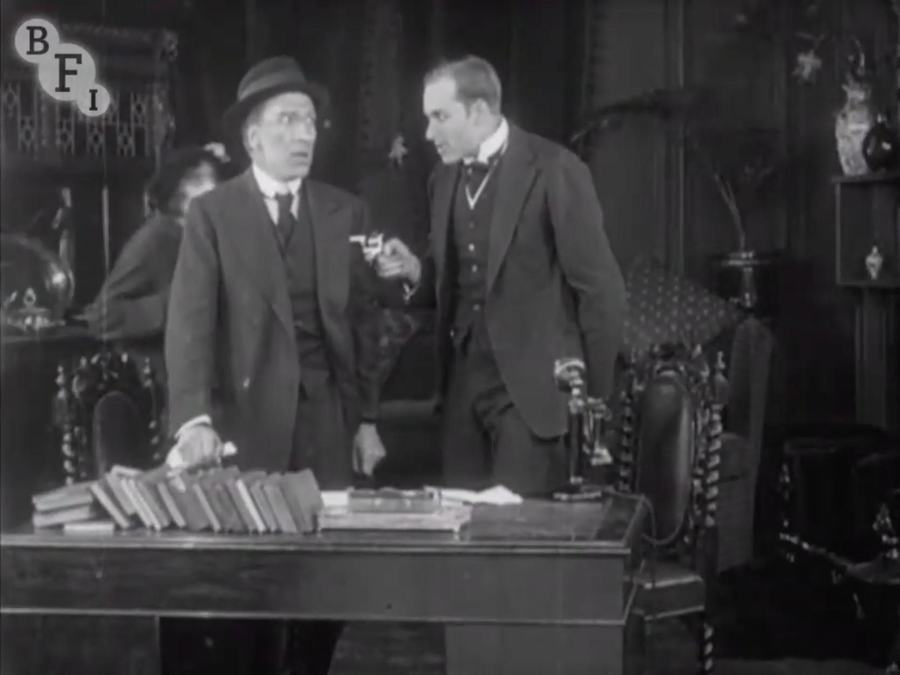
To witness A London Flat Mystery is to step into a time capsule that vibrates with the anxieties of early 20th-century urbanity. Far from the polished, sanitized period pieces we are often fed by modern heritage cinema, this film offers a raw, almost pungent look at the British capital when it was the epicenter of a global empire yet riddled with internal decay. The narrative arc, centered on a shot girl’s desperate gambit to save her betrothed, serves as a scaffolding for a larger commentary on class, vulnerability, and the precarious nature of justice. While many films of this vintage, such as the moralistic Damaged Goods, sought to lecture the audience through didactic title cards, Hugh Croise opts for a more kinetic, albeit melodramatic, visual language.
The performance of Constance Backner is nothing short of a revelation for the era. In a period where screen acting often drifted into the histrionic—think of the exaggerated gestures required for the back rows of a theater—Backner brings a certain interiority to her role. Her character’s physical recovery mirrors her psychological hardening. We see the transition from a victim of circumstance to an architect of her own salvation. This isn't the whimsical transformation seen in Cinderella; this is a grueling, sweat-soaked ascent from the brink of death. The stakes are profoundly personal, contrasting sharply with the epic, sprawling narratives of the time, such as The Three Musketeers.
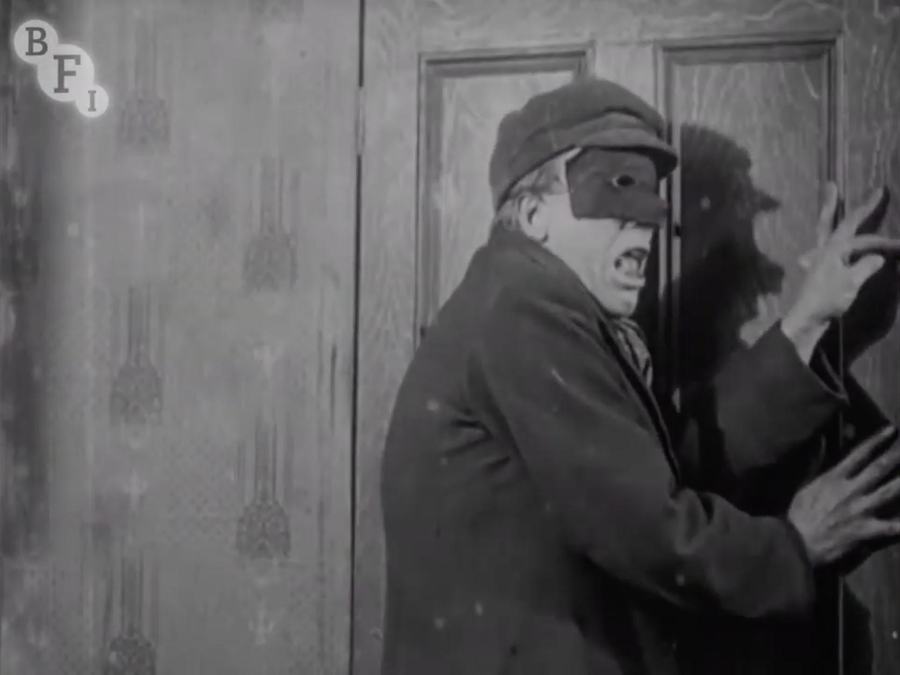
The 'flat' in the title isn't merely a location; it is a character in its own right. The cinematography utilizes the cramped, claustrophobic quarters of London lodgings to heighten the sense of entrapment. Unlike the vast, open landscapes of The Valley of the Moon, the world here is defined by walls that seem to lean in. There is a palpable sense of the 'unseen neighbor,' the witness who hears through thin partitions but refuses to speak. This atmosphere of urban isolation is a precursor to the film noir aesthetics that would dominate decades later. The use of lighting—specifically the interplay between the harsh glare of interior lamps and the impenetrable gloom of the hallway—creates a chiaroscuro effect that underscores the moral ambiguity of the supporting cast.
When comparing this to The Master Mind, one notices a distinct difference in the portrayal of the criminal element. While the latter leans into the archetype of the brilliant, calculating villain, A London Flat Mystery suggests a more banal, pervasive kind of evil. The framing of the fiancé isn't just a stroke of bad luck; it’s a symptom of a system that views certain bodies as disposable. This thematic thread aligns the film more closely with the social realism found in Anny - en gatepiges roman, where the city itself acts as a predatory force against the working class.
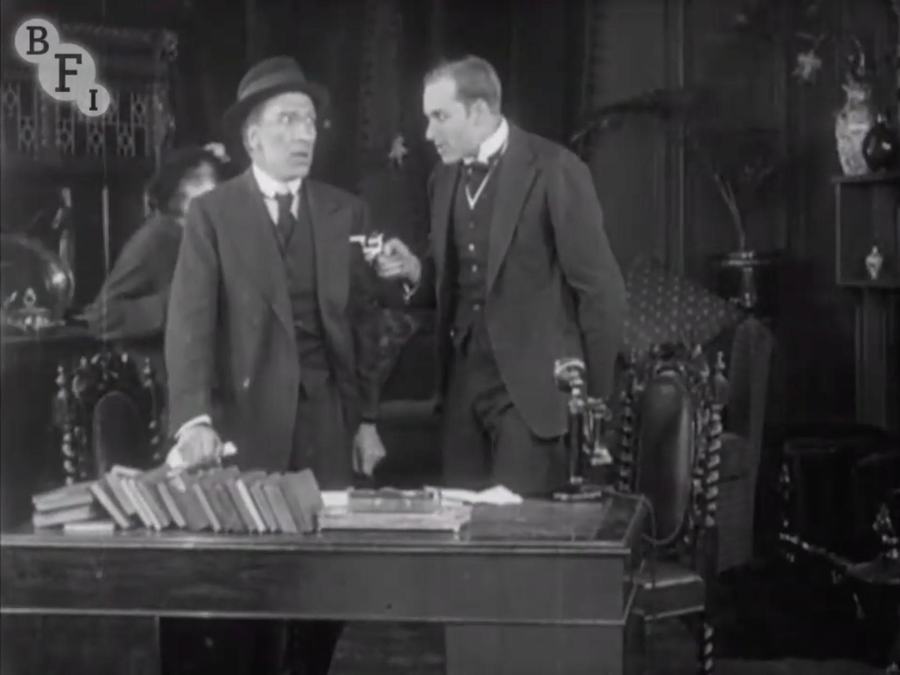
Andrew Jackson provides a sturdy, if somewhat more conventional, performance as the framed fiancé. His role is primarily to act as the ticking clock—the physical manifestation of the deadline Backner’s character must meet. However, it is the ensemble, including Vera Cornish and George Foley, that populates the film with a sense of lived-in reality. They represent the various strata of London life, from the complicit to the indifferent. The film’s pacing is surprisingly brisk, avoiding the sluggishness that often plagues early features. It possesses a narrative velocity more akin to The Story of the Kelly Gang, emphasizing action and consequence over static dialogue scenes.
One cannot ignore the film’s engagement with the 'underworld.' In the 1910s, there was a prurient fascination with the vices of the city, exemplified by Cocaine Traffic; or, the Drug Terror. A London Flat Mystery touches upon these darker elements—the cabaret scene, the late-night escapades—but it grounds them in a human drama rather than sensationalizing them for shock value. The 'shot girl' profession itself is treated with a level of matter-of-factness that bypasses the overt moralizing found in A Sister to Carmen.
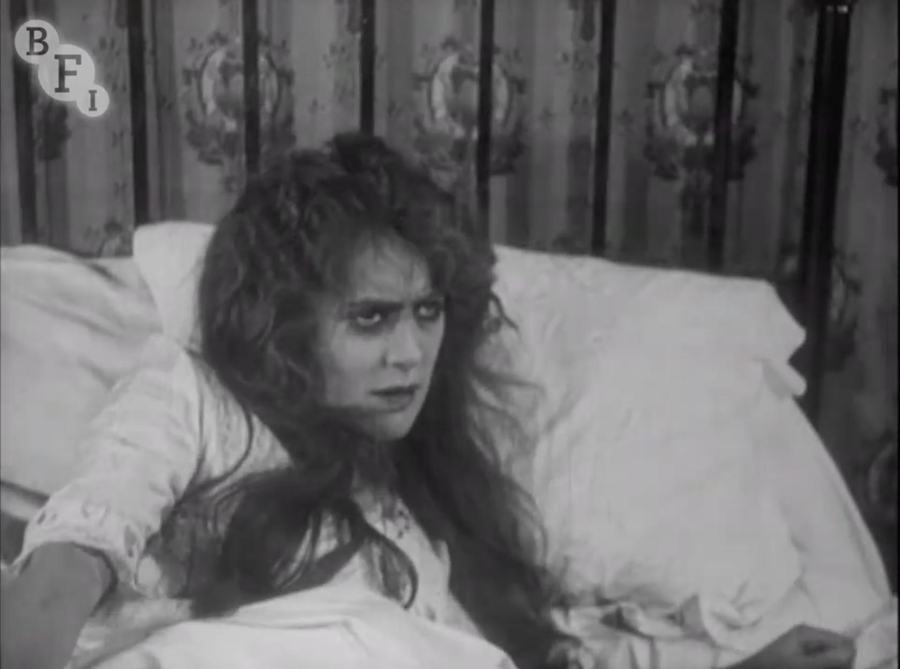
Is the film a masterpiece? Perhaps not in the technical sense of a Griffith or a Murnau, but it is a vital piece of the puzzle that is British silent cinema. It lacks the mystical overtones of The Reincarnation of Karma or the sheer spectacle of Dan, yet it succeeds through its localized intensity. The mystery isn't just 'who did it,' but whether the truth can travel fast enough to outrun the executioner. This tension is universal, transcending the specificities of the era’s technology. The film shares a certain DNA with Dødsklokken, where the sound of the bell (or in this case, the ticking clock) serves as a constant reminder of mortality.
The direction by Hugh Croise shows a burgeoning understanding of visual storytelling. He uses the camera to follow the protagonist through the flat in a way that feels voyeuristic, making the audience complicit in her struggle. This isn't the static, stage-bound direction of A Suspicious Wife; there is a genuine attempt to use the lens to convey psychological states. When our heroine is delirious, the framing becomes slightly more erratic, a subtle touch that would later be perfected in the avant-garde movements of the 1920s.
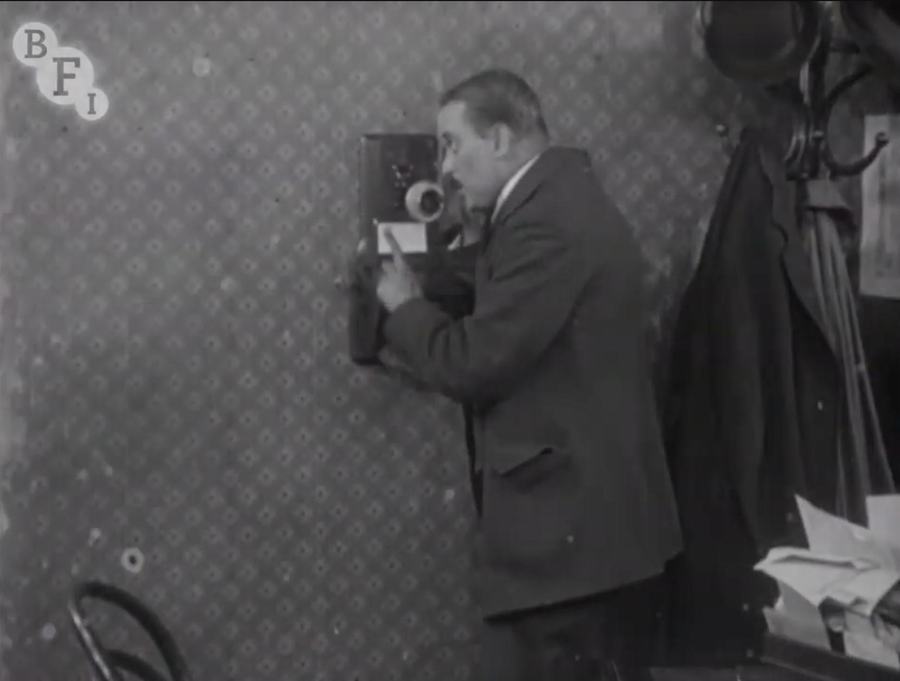
What strikes a modern viewer most is the depiction of the 'might of gold'—or rather, the lack of it. In The Might of Gold, wealth is a transformative, often corrupting power. In A London Flat Mystery, the absence of wealth is the primary antagonist. The fiancé’s inability to defend himself is directly tied to his lack of social standing. The protagonist’s journey is therefore a transgression; she is a woman of low social status entering spaces where she isn't wanted, demanding a truth that the powerful would rather keep buried. This proto-feminist undercurrent is what gives the film its lasting resonance. She isn't just saving a man; she is challenging the structural integrity of a lie.
The film concludes with a sequence that is as much about exhaustion as it is about triumph. There is no grand celebration, but rather a somber acknowledgment of the cost of survival. This tonal choice distinguishes it from the more melodramatic resolutions common in Lola. It leaves the viewer with a lingering sense of the darkness that still resides in the corners of those London flats, a darkness that no amount of gaslight can fully dispel.
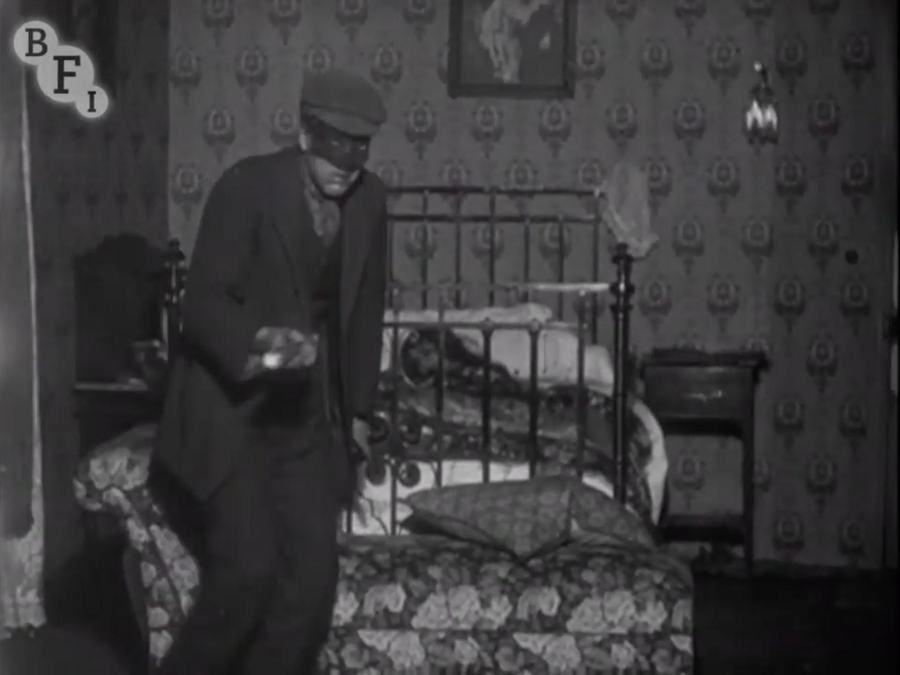
In the final analysis, A London Flat Mystery is a crucial artifact for anyone interested in the evolution of the thriller. It captures a moment in time when cinema was discovering its power to reflect the gritty, unvarnished realities of the human condition. It reminds us that behind every closed door in a sprawling metropolis, there is a story of struggle, a mystery waiting to be unraveled, and a spirit that refuses to be broken by the weight of the city.
The performances of Reginald Stevens, Richard Norton, and Hugh Croise himself (who often wore multiple hats in these productions) contribute to a cohesive, albeit rough-around-the-edges, cinematic experience. While the film may have been lost to the footnotes of history for many, its recent reappraisal reveals a work of significant thematic depth. It stands as a testament to the ingenuity of early filmmakers who, despite limited resources, were able to craft stories that still pulse with life over a century later. The 'mystery' of the flat is ultimately the mystery of the human heart—its capacity for cruelty, and its infinite capacity for resilience.
Reviewer Note: This film should be viewed as a companion piece to the urban dramas of the mid-1910s, providing a uniquely British perspective on the burgeoning crime genre. Its focus on a female lead in a proactive, investigative role makes it a significant precursor to modern detective fiction.
IMDb 7
1932
Community
Log in to comment.